As an Amazon Associate, we earn from qualifying purchases. Some links on this site are affiliate links at no extra cost to you. Our recommendations are based on thorough research and editorial judgment.

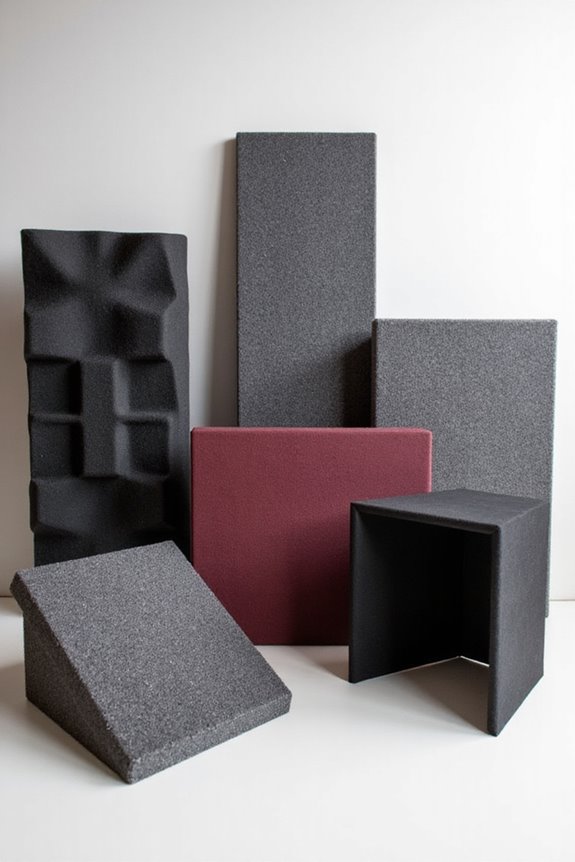
What Are The Best Acoustic Treatments For Home Studios?

For the best acoustic treatments in home studios, we recommend using a combination of materials. Mineral wool panels work great for low frequencies, while acoustic foam handles mid to high frequencies effectively. Bass traps in corners help manage low-end issues. Products like TroyStudio diffusers and MCA Home Studio Kits can provide balanced sound control. By strategically placing these treatments and considering DIY options like thick blankets, we can greatly enhance our studio’s sound quality. Stick around to explore more essential tips!
Key Takeaways
- Use a combination of mineral wool or fiberglass panels for low frequencies and acoustic foam for mid to high frequencies.
- Strategically place bass traps in room corners and treatment panels at primary reflection points to improve sound clarity.
- Consider high-performance products like GIK Acoustics panels or UA-Acoustics diffusers for effective sound absorption and diffusion.
- Implement DIY solutions such as thick curtains, rugs, or homemade panels to achieve acoustic treatment on a budget.
- Aim for around 30% wall coverage with acoustic materials to ensure balanced sound treatment in your home studio.
Understanding Acoustic Treatment Materials
You may be interested



When setting up a home studio, choosing the right acoustic treatment materials is essential for optimizing sound quality. We often find that the effectiveness of acoustic material types varies considerably based on the sound frequency ranges they target. For instance, mineral wool and fiberglass panels excel at absorbing low frequencies, while acoustic foam primarily manages mid to high frequencies.
Sustainable options like recycled PET panels not only absorb bass frequencies but also enhance our eco-conscious practices. To achieve a balanced sound, we should consider a mix of materials, such as combining soft and hard surfaces, to effectively address reflections and reinforce low-frequency absorption. These thoughtful choices let us create our ideal acoustic environment together. Additionally, understanding the importance of sound quality features can help in selecting the most effective acoustic treatments for your specific needs.
Recommended Products

SPECS - Length: 96" | Width: 80" | Material: Cotton and Polyester with Zig-Zag Stitching | Weight: 12 lbs each | Blanket and Thread Color: Black | Use: Sound Absorption, NOT Sound Blocking or Sound Proofing | NRC Rating: 0.35 | Quantity: (60) Sound Blankets

RECLAIM dividers can be cleaned with up to 75% isopropyl alcoholRated to absorb 85% of ambient noise (NRC 0.85)Made from recycled eco-friendly materialsFabric: 100% PETCore Ma

Acoustic panels enhance privacy and reduce noise while helping foster safe separation between coworkers, students, employees and customers, and more
Effective Placement Strategies
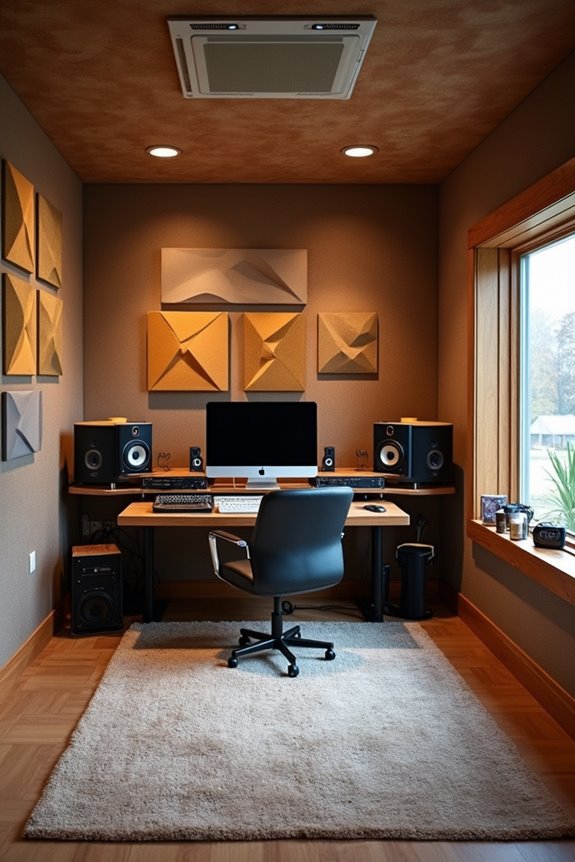
Optimizing our home studio isn’t just about selecting the right acoustic treatment materials; where we place them plays a significant role in enhancing sound quality. First, let’s identify our primary reflection points using the mirror trick. By having someone move a mirror along the walls, we can spot where sound reflects back to our listening position. Once marked, we need to place treatment at these spots on side walls and the ceiling to improve clarity. Bass traps should nestle into room corners, especially where low frequencies build up. Finally, we should aim for around 30% wall coverage with panels, ensuring symmetrical treatment placement to avoid flutter echoes and maintain a balanced sound. Additionally, incorporating clean and overdrive channels in your setup can help further refine your sound. Let’s get to work and transform our space!
Recommended Products

Includes 4 Pieces per Case | 31.68 Square Ft. Per Case | Case Weight 48 lb |TILE SIZE: 9.5 in. W x 120 in. L x 0.8 in. T

[ Low Noise Level ] Equipped with 2 layers of soundproof laminated glass, and Acoustic Insulation Structure walls 6 layers (Aluminum frame structure, Film-laminated Steel Panel, PET Sound-absorbing Board, Eco-friendly Acoustic Panel, Premium Textured Fabric), the booth achieves 35dB(±5dB) reduction, ensuring a peaceful, private workspace.

Modern Wood Wall Panel Design: These wood panels for wall feature a clean 3D slat structure that enhances interior walls with depth and texture, delivering a refined, professional look for residential and commercial spaces.
Recommended Acoustic Treatment Products

Surrounding ourselves with the right acoustic treatment products can profoundly enhance our home studio experience. For acoustic panel recommendations, we highly recommend the TroyStudio Acoustic Sound Diffuser Panels for their expansive coverage and balanced acoustics. The UA-Acoustics Sirius Diffusers are also exceptional, especially in medium-sized studios, as they effectively scatter sound waves.
When it comes to bass trap options, tri-corner bass traps are essential for smoothing low-frequency buildup, especially in the corners. For convenience, consider preassembled treatment kits like the MCA Home Studio Kit, which combines both panels and bass traps for balanced frequency control. Choosing quality brands like GIK Acoustics or Auralex guarantees we’re investing in high-performance solutions tailored to our unique studio needs. Additionally, utilizing scalloped X-bracing in your acoustic treatment can significantly improve resonance and volume.
Recommended Products

Reduce Noise: After professional testing, the sound barrier rate of this product is as high as 70%, effectively reducing about 30-40 decibels of noise and having excellent sound insulation effect

Spacious Soundproof Design for 5–7 People: Sound proof booth provides a quiet and private workspace with professional-grade acoustic insulation that reduces noise by 25dB ±5, ensuring crystal-clear communication and focus.
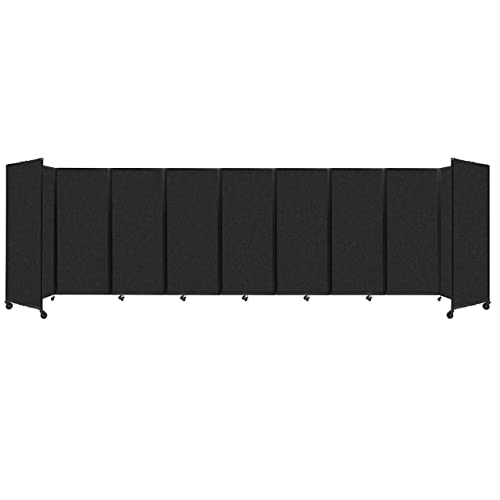
360° ROTATION: The Room Divider 360° is a high-quality portable partition that helps you maximize the use of your facility’s space. Each Room Divider panel rotates 360° for infinite configuration possibilities using a patented 360 degree hinge.
Benefits of Acoustic Treatment in Home Studios
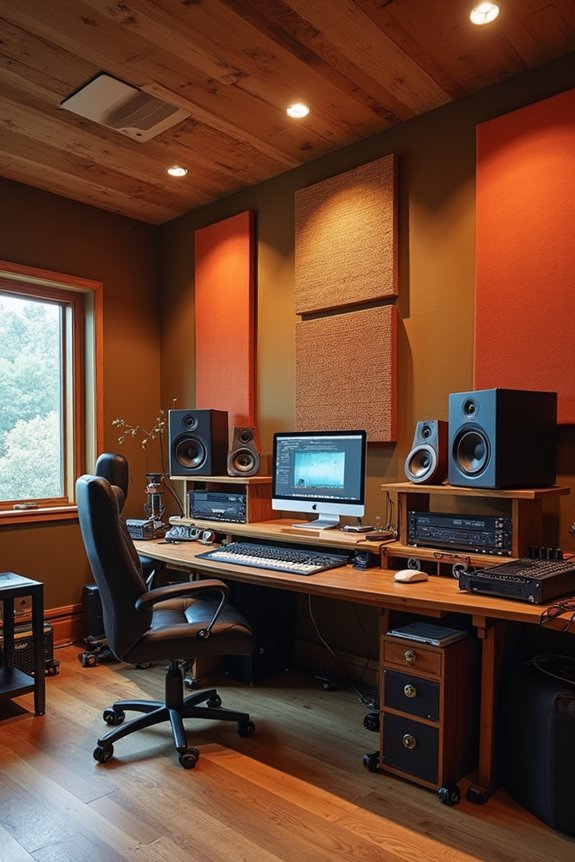
Acoustic treatment transforms our home studios into more than just creative spaces; it considerably enhances sound quality and clarity. By absorbing sound waves, we minimize unwanted reflections, ensuring our recordings are clear and precise. This controlled environment improves mixing accuracy, allowing us to make confident decisions that translate well across playback systems.
Moreover, smoothing out chaotic sound reflections reduces auditory fatigue, empowering us to stay focused on our creative pursuits. The overall atmosphere becomes more conducive to spontaneous recording, boosting our creative inspiration. Proper treatment also helps contain sound, preventing disturbances to those around us. Ultimately, investing in acoustic treatment cultivates a professional ambiance that not only elevates our sound quality but also fosters a deeper connection to our artistic journey. Additionally, selecting the right speaker configuration can further enhance the audio experience in your studio by optimizing sound dispersion.
Budget Considerations and DIY Options

When we explore the world of budget-friendly acoustic treatments, it’s essential to remember that effective sound control doesn’t have to break the bank. There are many cost-effective solutions we can implement at home. For instance, thick blankets, rugs, and heavy curtains can absorb unwanted reflections without costing a fortune. DIY techniques, like building our own panels with rockwool or creating bass traps with dense pillows, are fantastic ways to get started. Rearranging furniture, such as filling bookshelves with books, can also enhance sound diffusion. Additionally, incorporating high IP ratings in your speaker selection can improve the overall sound experience in your studio environment. As we prioritize our investments, focusing on reflection points and adding affordable products, we’re crafting our unique sound environment. With a little creativity, we can achieve professional-sounding acoustics on a budget.
Recommended Products
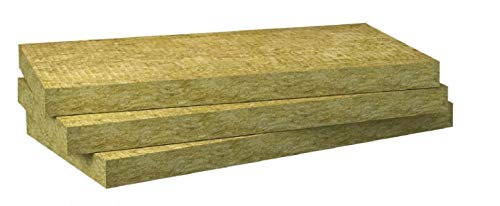
8 lb Density is a better insulator. With more mass packed into the same space, it's more effective at blocking soundwaves (higher STC rating) and resisting heat transfer (higher R-value) than products such as Rockboard 60 which has a density of 6 lb. SL960, 8 lb Density is stiffer, more rigid, and more durable. It holds its shape better, resists compression, and can handle more vibration and abuse.

High-Density Acoustic Panels: These soundproofing panels feature a 100% polyester fiber core with a wood-grain veneer surface (Note: This is not solid wood or wood slats). Designed for users seeking highly effective sound absorption paired with a natural wood aesthetic, without the hassle of complex installation. Suitable for any room in both residential and commercial buildings.

Thick Fiberglass Core: Olanglab acoustic panels combine a high-density fabric cover with a porous fiberglass core for superior sound absorption, achieving an absorption coefficient up to 0.95 for effective noise reduction and acoustic treatment.
Essential Installation Tips and Tools
After exploring budget-friendly options for acoustic treatments, it’s time to get hands-on with the installation process. Let’s put together a preparation checklist to guarantee we’re ready. First, we’ll measure our room dimensions and identify reflection points, which will guide our installation techniques. Clearing walls and ceilings is essential, so sound surfaces are available.
When mounting, we should choose the right hardware—like Z-clips or adhesive strips—based on panel weight. For drywall, using anchors guarantees a secure hold. A stud finder helps us locate framing for safe fastening.
As we position the panels symmetrically and assess after each installation, we’ll achieve that balanced sound we desire. Remember, patience will lead us to an effective acoustic environment!
Recommended Products

12 Piece Kit contains 8 wall panels and 4 ceiling panels, each panel is sized 24" x 48" x 2"

High NRC Rated Core .95 or higher avg.

GUILFORD FABRIC WRAPPED ACOUSTIC PANELS - Premium Guilford of Maine fabric wrapped around a handcrafted furniture grade wood internal frame and mineral wool core.
Combining Absorption and Diffusion for Optimal Sound
Combining absorption and diffusion is key to achieving an ideal sound environment in our home studios, as each method serves a unique purpose that complements the other. We should start by utilizing different absorption types, like wall panels and bass traps, to reduce echo and improve clarity. Then, we can incorporate diffusion techniques—such as diffusers on the rear wall—to scatter sound evenly. Finding that perfect 50/50 balance is essential, especially in smaller rooms where absorption might dominate. Placing absorption panels at early reflection points—like side walls and ceilings—enhances sound quality, while strategically positioning diffusers keeps our space lively. By thoughtfully blending these methods, we create an acoustically rich environment that enhances our music production experience.
Frequently Asked Questions
How Do I Know if My Studio Needs Acoustic Treatment?
We can tell our studio needs acoustic treatment by noticing sound reflections and uneven bass in different room dimensions. If music sounds muddy or echoes persist, it’s time to prioritize some effective adjustments together.
Can I Apply Acoustic Treatment Myself, or Should I Hire a Professional?
Sure, we’ve got options! While DIY treatments can deliver delightful results, professional services offer precise perfection. Together, we can explore both pathways to guarantee our sound space shines bright with harmonious acoustics.
How Long Does It Take to Notice Changes With Acoustic Treatment?
We found treatment timing essential in noticing changes; immediate improvements in sound perception are common, while deeper adjustments reveal themselves over weeks. Together, we can fine-tune our spaces for the best listening experience.
Are There Any Negative Effects of Excessive Acoustic Treatment?
Isn’t it funny how we aim for perfection, yet excessive treatment can lead to over dampening issues? We risk sound isolation concerns, muddy clarity, and compromised creativity by trapping ourselves in lifeless, overly treated environments.
How Can I Maintain My Acoustic Treatment Materials Over Time?
To maintain our acoustic treatment materials over time, we should use gentle cleaning techniques, monitor for damage, and manage humidity. This way, we’ll extend the lifespan of our panels and keep our space sounding great.


