As an Amazon Associate, we earn from qualifying purchases. Some links on this site are affiliate links at no extra cost to you. Our recommendations are based on thorough research and editorial judgment.

How To Select A Microphone Preamp For Home Studio?

When selecting a microphone preamp for our home studio, we should focus on a few key aspects. First, consider whether we prefer tube warmth or solid-state clarity. Features like phantom power for condenser mics, variable input impedance, and multiple input options enhance versatility. We also need to guarantee compatibility with our microphones. Finally, budget plays a significant role, with options ranging from affordable models like the Behringer ADA8200 to high-end units. Exploring these aspects will lead us to informed choices.
Key Takeaways
- Determine the type of preamp (tube or solid-state) based on the sound character you desire for your recordings.
- Ensure the preamp has versatile input options, including XLR and TRS, and provides phantom power for condenser mics.
- Evaluate sound quality by looking for clean, low-distortion performance and matching the preamp’s impedance with your microphones.
- Consider your budget, choosing between entry-level options for basic functionality and midrange preamps for superior sound quality.
- Check the build quality and material; metal enclosures typically offer better durability and reliability than plastic designs.
Understanding Different Types of Microphone Preamps
You may be interested

When we plunge into the world of microphone preamps, it’s essential to recognize the distinct options available to us and how they influence our recordings. Tube preamps are loved for their tube warmth, providing a rich and smooth sound that enhances vocals and acoustic instruments. However, they require more maintenance and can introduce a higher noise floor, which some might find challenging in precise settings. On the flip side, solid-state preamps deliver solid state clarity, offering cleaner audio reproduction, low noise, and reliability. Great examples include the Universal Audio Solo 610 for tube enthusiasts and Warm Audio WA73 for those leaning toward solid-state options. With these choices, we can tailor our sound to fit any creative vision we have! Additionally, considering the power rating of the preamp is crucial for optimal performance and compatibility with your microphone setup.
Recommended Products

All-tube design: Three 12AX7 tubes drive the preamp section, while two pairs of EL84 tubes generate 30-watts of pro output power.

Twin-Finity Tone-Blending Mic/Line Preamp & Hi-Z Instrument DI

Push-Pull Class AB Design: Experience high-efficiency amplification with the Juson Audio vacuum tube amplifier, utilizing a push-pull Class AB configuration for exceptional audio clarity, low distortion, and powerful dynamic range.
Key Features to Look For

Now that we’ve explored the different types of microphone preamps, it’s time to identify the key features that can greatly impact our recording experience. First, we should consider input options; having XLR, TRS, and instrument inputs provides the flexibility for various sound sources. Multiple mic inputs are also essential for stereo recordings. Next, look for phantom power—this switches on +48V needed for condenser mics, ensuring we don’t harm dynamic or ribbon mics. Additionally, a preamp with gain control and an input pad can refine our levels without distortion. Finally, variable input impedance can enhance some microphones’ unique qualities, offering us even more tonal variety in our home studio. These features truly make a difference! Furthermore, understanding the importance of power output options can help in selecting the right preamp for achieving optimal sound quality in your recordings.
Recommended Products

8 award-winning Midas PRO mic preamps and 8 Midas PRO outputs onboard

DuoPre XLR Microphone preamps, including 48V Phantom power for condenser microphones and up to 69dB of gain. Each preamp uses two gain stages to provide a full and accurate sound across the entire gain range with enough power for even the most gain hungry mics.

8 - XLR balanced low-noise mic/Line inputs with high-gain mic preamps (60dB), switchable 48V phantom power & 20dB input pad switch, 8 dedicated 1/4" line inputs, plus an 1/8” mini stereo line input on the front panel.
Evaluating Sound Quality and Character

How do we guarantee that our recordings truly reflect the essence of our sound sources? To achieve sound transparency, we want a mic preamp that amplifies our microphone signal without adding unwanted tonal coloration. This clarity preserves the dynamic range and nuance of our recordings, which is essential for critical tracking. A clean, neutral preamp allows us to maintain fidelity, while some characterful preamps lend warmth or vintage flavor, enriching our vocals or instruments. For instance, choosing a tube preamp might add pleasing harmonic content that cuts through a mix effortlessly. Ultimately, our choice impacts how our recordings feel, shaping our overall sound and making our mixes shine with ease. Additionally, ensuring that the preamp provides low total harmonic distortion is crucial for maintaining sound quality in our recordings. Let’s explore these nuances together.
Recommended Products

1-channel Tube Microphone Preamplifier for 500 Series

Suitable for MM and MC cartridges
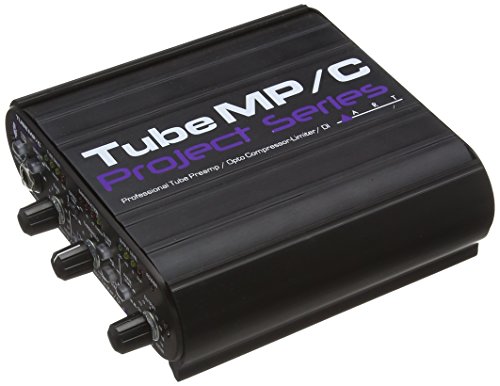
Clean and neutral sound with a wide variety of signal sources
Ensuring Compatibility and Connectivity
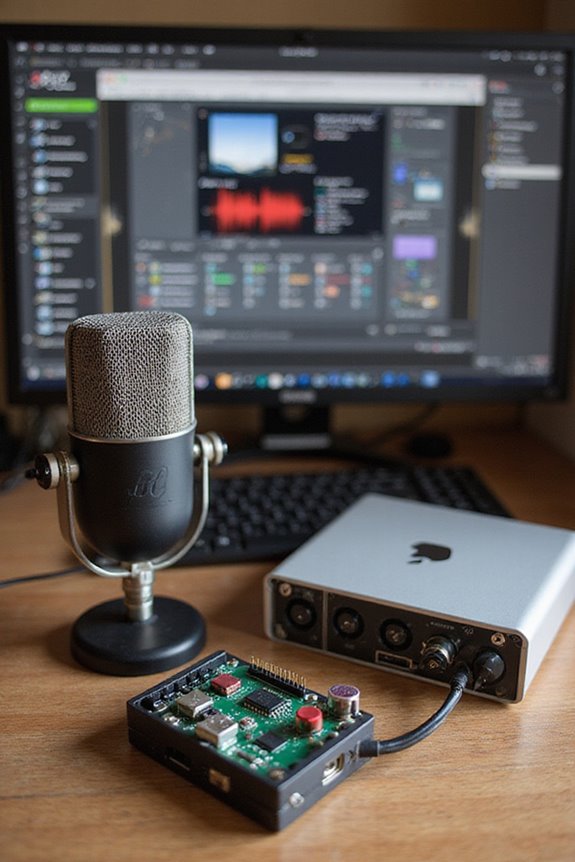
Ensuring compatibility and connectivity between our microphones and preamps isn’t just a technical necessity; it can greatly influence our recording experience. First, we need to evaluate connector types—most pro mics use XLR, so our preamp should match. Next, we’ll look at input levels; a preamp must accommodate our mic’s maximum output voltage to prevent distortion. For example, low-impedance mics pair well with preamps offering input impedance above 2 kOhms. If we’re using condenser mics, we must verify that the preamp provides +48V phantom power, with an accessible switch to protect mics that aren’t phantom-enabled. Additionally, high-quality preamps support higher bit depths for optimal audio clarity, further enhancing our recordings. By ensuring these factors align, we can enhance our audio clarity and maintain signal integrity, allowing creativity to shine through.
Recommended Products

Professional mixing console featuring 16 x line inputs with XLR/TRS jacks

32 award-winning Midas PRO microphone preamplifiers with switchable 48 V phantom power
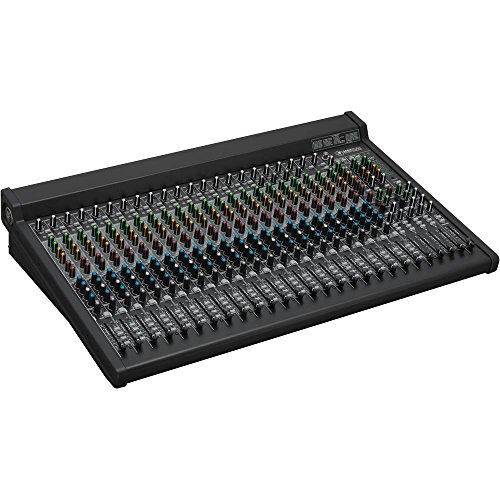
24-channel 4-bus mixer featuring Mackie signature high-headroom/low-noise design
Budget Considerations and Build Quality

When considering a microphone preamp, balancing budget and build quality is vital, as these factors directly impact our recording experience. We can implement effective budget strategies by exploring entry-level options like the Behringer ADA8200, which provides versatile functionality under $200. As we move up to midrange preamps, costing between $300 and $1,500, we discover improved sound quality and more features.
Durability factors also play a significant role—metal enclosures often outlast plastic alternatives. Investing in solid-state designs can reduce maintenance costs and guarantee reliability. While cheaper models might sacrifice some advanced features, they focus on delivering clean gain. Ultimately, understanding our budget alongside build quality helps us make informed decisions for our home studios. Additionally, considering the power output of the preamp can enhance overall recording quality and clarity.
Recommended Products
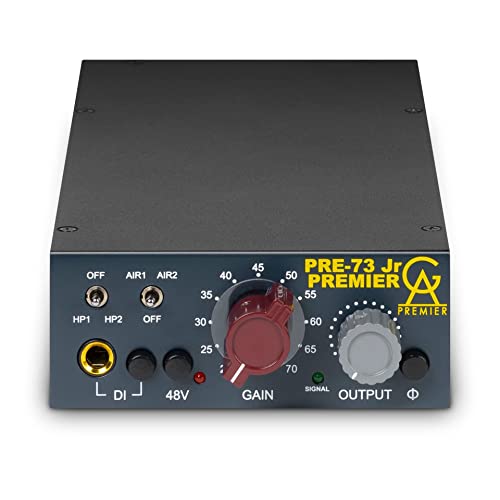
Single-channel Mic/Instrument Preamp with 70dB of Mic Gain

Complete recording solution: Just add a computer.

Frequently Asked Questions
Can I Use a Preamp Without a Microphone?
We can definitely use a preamp without a microphone by feeding it an audio signal from other sources, but we need to ascertain proper compatibility to maintain ideal preamp functionality and avoid unwanted noise or distortion.
How Does Preamp Placement Affect Sound Quality?
So, we all love muddled audio, right? Just kidding! Preamp positioning dramatically affects sound clarity. Keeping it close to the mic boosts signal quality and preserves those precious details we crave in our recordings.
Do I Need a Preamp for Every Microphone?
Do we need a preamp for every microphone? Not usually. Microphone types influence preamp compatibility, with some needing dedicated preamps for ideal sound. Let’s assess our setup to find what’s best for our needs together!
Can I Use a Tube Preamp With Dynamic Mics?
Of course, we can use tube preamps with dynamic mics! They provide that lovely tube warmth and dynamic response, enhancing our recordings with rich, musical tones that truly elevate the character of our audio projects.
How Often Should I Consider Upgrading My Preamp?
When considering preamp lifespan, we should aim to evaluate upgrades every few years. If we notice sound improvement or changing needs, it’s time to embrace new technology that enhances our recordings and inspires creativity together.