As an Amazon Associate, we earn from qualifying purchases. Some links on this site are affiliate links at no extra cost to you. Our recommendations are based on thorough research and editorial judgment.


How To Choose Audio Equipment For Video Production?

Choosing the right audio equipment for video production starts with understanding different microphone types. We’d consider lavalier mics for interviews and shotgun mics in controlled settings. Assess your production scale—larger projects need multi-track recorders, while smaller shoots benefit from portable options. Budget about 20-25% for audio gear, and keep in mind maintenance for longevity. Proper setup and acoustic treatment can greatly enhance sound quality. Let’s explore more to help refine your audio choices for the best results!
Key Takeaways
- Assess project scale and content type to determine the appropriate audio setup and equipment needed for optimal results.
- Choose microphones based on their polar patterns; lavalier, shotgun, or handheld mics can enhance specific recording situations.
- Ensure compatibility of audio interfaces with input/output channels, prioritizing reliable mixers and recorders for clear sound capture.
- Evaluate the recording environment and utilize directional microphones with windshields or sound dampening techniques to manage background noise.
- Allocate 20-25% of your production budget to audio gear, focusing on quality microphones to significantly impact audio clarity.
Understanding Different Types of Audio Equipment
You may be interested

When diving into audio equipment for video production, we need to grasp the various types available, as each serves a unique purpose. Microphone selection plays a crucial role in ensuring high-quality audio recording. For discreet interviews, lavalier microphones are superb for capturing clear dialogue without hassle. If we’re aiming to isolate sound, shotgun microphones become our best friends, perfect for controlled shooting environments. Handheld microphones facilitate interviews, providing mobility and ease of handling. Additionally, wireless microphones enhance flexibility, reducing clutter, while studio microphones excel in controlled settings. Each type caters to different scenarios, making understanding their applications essential for our projects. So, let’s choose wisely and elevate our audio quality! Furthermore, considering sound quality is vital to ensure the best audio experience in your production.
Recommended Products

Bundle Includes: 1 x Sony URX-P41D Dual-Channel Camera-Mount Wireless Receiver (UC14: 470 to 542 MHz)| 2 x Sony UTX-B40 Wireless Bodypack Transmitter with Omni Lavalier Mic (UC14: 470 to 542 MHz) | 2 x Sony ECM-V1BMP Omnidirectional Lavalier Microphone with Locking Sony 3.5mm Connector (Black) | 2 x Mic Clips | 2 x Windscreens | 3 x Belt Clips | Shoemount Adapter for Receiver | 2 x XLR to Locking 3.5mm Output Cables | 3.5mm to Locking 3.5mm Cable | MDR 7506 Professional Stereo Headphones | Gob

AVX 1.9GHz Digital Wireless System with Lavalier Microphone

Rugged all-in-one wireless system with high flexibility for Broadcast quality sound
Key Factors in Choosing Audio Equipment

Choosing the right audio equipment can greatly impact our video production quality, so understanding the key factors involved is essential for achieving outstanding results. First, consider microphone polar patterns; options like cardioid and shotgun mics effectively reduce background noise, guaranteeing clarity. Next, we need to guarantee audio interface compatibility, checking for input/output types and channels to accommodate multiple mics. Also, we should prioritize equipment that captures a wide frequency response, which helps in reproducing natural sound. Finally, think about portability and durability—compact gear can ease transport while robust builds withstand environmental conditions. Balancing these factors guarantees we create high-quality audio that complements our visual storytelling, setting our productions up for success. Additionally, selecting the right amplifier can significantly enhance sound quality and ensure optimal performance tailored to your needs.
Recommended Products

INCLUDED - Sennheiser MKH-416 Mic, MZW 415 Windshield, Sennheiser Warranty, Zoom H4n Pro Recorder, XLR Cable, ensuring you're ready to record professional audio immediately.

Bundle Includes: Sony Alpha ZV-E10 APS-C Interchangeable Lens Mirrorless Vlog Camera (Body Only, Black), Sony Vlogger Shotgun Microphone, MI (Multi-interface) Shoe and 3.5 mm cable compatible (ECM-G1), Mini Extendable Tripod with Built-in Phone Mount for Mobile Content Creators, 64GB SDXC Canvas Go Plus 170MB/s Read Memory Card

Designed for the needs of professional filmmakers, television producers, advertisers, and documentarians
Assessing Production Scale and Content Type

Evaluating the scale of our production and the type of content we’re creating is essential for selecting the right audio equipment. For larger projects like feature films, we need high channel count mixers and multi-track recorders to handle various audio sources, guaranteeing audio versatility. In contrast, smaller shoots, such as interviews, benefit from lightweight, portable sound packages that simplify our setup. Dialogue-driven narratives call for high-fidelity shotgun mics to capture clear speech, while music performances require multi-track recording for instruments. Understanding production complexity guarantees we allocate resources wisely, balancing quality with budget considerations. Tailoring our audio equipment to the scale and content type is key, helping us deliver exceptional sound every time. Additionally, ensuring low total harmonic distortion in our equipment will enhance clarity and overall audio quality.
Selecting Equipment Based on Environment

Selecting the right audio equipment for our video projects requires us to evaluate the specific environment in which we’ll be working. Understanding environmental acoustics is essential to our sound quality. Outdoor challenges like wind and traffic can introduce unwanted noise, so using directional microphones with windshields becomes vital. On the other hand, indoor considerations involve managing sound reflections from hard surfaces, where we may need to employ equipment adaptability through acoustic blankets or sound dampening techniques. Additionally, we should consider equipment portability in challenging settings, opting for battery-powered systems when electrical access is limited. By actively addressing noise management and adjusting our setups based on the environment, we increase our chances of capturing clear, professional audio for our projects. For instance, utilizing weather-resistant enclosures can significantly enhance the durability of outdoor audio equipment.
Recommended Products

This Al’s Variety Camera Bundle Includes: Sandisk 128GB Pro Speed SD Memory Card ,LED Video Light , Directional Condenser Shotgun Video Microphone, ,50 inch DSLR Tripod, Steady Hand Grip Pod, Video/Photo Editing Software Pack, Battery ,Charger , Spare Battery and Travel Charger, HDMI Cable, Data Cable, Body Cap ,Neck Strap, Lens Cleaning Cloth ,Camera Gadget Bag, lens Pen, Lens Blower, Lens Cap Keeper, + 1 Year Seller Supplied Warranty, And Includes :

Kit Includes 7 Products—All Items come with all Manufacturer-supplied Accessories:

This camera bundled comes with manufacturer in box accessories as well as bundled accessories. The camera comes with a Sony 1-Year Manufacturer Warranty
Budgeting for Audio Gear
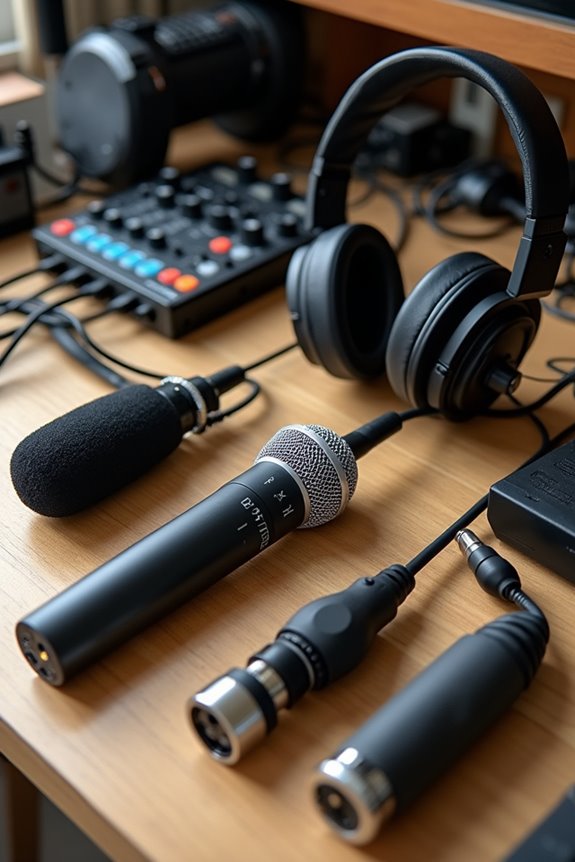
When it comes to video production, getting quality audio is non-negotiable. To guarantee we achieve high-quality sound, we should allocate around 20-25% of our total production budget specifically for audio gear. Prioritizing our budget allocation to microphones first is essential, as they have a significant impact on audio clarity. Next, we’ll reserve funds for reliable audio mixers and recorders that can handle multiple inputs. We must remember to budget for cables, wind protection, and mounts to maintain audio integrity. Additionally, planning for contingency costs is important for accommodating unexpected needs. By considering the equipment lifespan, we can make long-term investments without compromising on quality, keeping our projects sounding professional and polished. Investing in gear with long battery life can also enhance the reliability of audio during extended shoots.
Essential Accessories for Better Audio Capture
Capturing pristine audio often hinges on the right accessories, which can greatly enhance our overall sound quality. To achieve professional results, we should consider essential audio accessories like shotgun and lavalier microphones. Shotgun mics excel in isolating directional sound, while lavaliers are perfect for discreet dialogue in interviews. Boom poles help position mics without intruding on the frame, and windscreens can minimize unwanted wind noise outdoors.
Additionally, investing in quality over-ear headphones, like the Sony MDR-7506, guarantees accurate monitoring. Using balanced XLR cables further safeguards our audio integrity, and portable recorders can capture high-quality sound independently from our cameras. Together, these tools elevate our audio capture techniques, enabling us to focus on the story we want to tell.
Recommended Products

Eco 500 G4 camera receiver - SK 500 G4 Body pack transmitter - SKP 500 G4 Pro plug-on transmitter - make 2 lavalier omnidirectional microphone - 4x AA batteries - CL 13.5 mm jack cable - CL 500 XLR to 3.5 mm jack Adapter Cable - CA 2 camera adapter - fur windscreen for MKE 2 - Quick guide - safety guide - Manufacturer declaration sheet - Sennheiser 2 year limited warranty

INCLUDED: DJI RS 4 Pro Combo 3-Axis Gimbal Stabilizer | BG30 Battery Grip | Quick-Release Plates | Extended Grip/Tripod | Briefcase Handle | Lens Support | Ronin Image Transmitter | Focus Pro Motor | Phone Holder | Camera Control Cables | Charging & HDMI Cables | Carrying Case | DJI 1-Year Limited Warranty | KIT ACCESSORY: Condenser Shotgun Microphone

Product Type :Sound And Recording Equipment
Enhancing Workflow With Integrated Audio Technology
As we endeavor for seamless production experiences, integrated audio technology stands out as a game changer in video workflows. Utilizing unified platforms, we can tackle voice-overs, camera footage, and VFX simultaneously, making collaboration a breeze. Cloud-based environments allow our teams to participate remotely, and real-time feedback enables us to refine every detail without unnecessary delays.
Additionally, IP-based audio technology offers flexible routing, essential for live productions where timing is vital. Modular microservices embed audio tagging, allowing for quick scene identification. By adopting these integrated workflows, we streamline processes, enhance audio quality, and elevate overall production efficiency. Ultimately, embracing modern audio technology fosters a collaborative spirit we all can benefit from.
Prioritizing Audio Quality Features
Prioritizing audio quality features greatly impacts the overall production value of our video projects. To achieve crisp audio clarity, we should consider using external microphones over built-in camera mics. For example, shotgun microphones are excellent for isolating dialogue, while lavalier mics work wonders in interviews by minimizing background noise.
We can’t overlook microphone sensitivity; selecting a mic with the right sensitivity guarantees it picks up subtle sounds without adding distortion. Additionally, utilizing techniques like right positioning and windshields enhances audio clarity further. For first-rate results, dedicated audio recorders paired with balanced XLR inputs provide clear connections, allowing us to capture accurate sound. Investing in these audio quality features enables us to elevate our productions considerably.
Recommended Products

Items Include: 1 x Sony FX6 Full-Frame Cinema Camera (Body Only), 1 x Lilliput A7S 7" Full HD Monitor, 1 x Sony 80GB CFexpress Type A TOUGH Memory Card, 1 x Sony MDR-7506 Hreadphones, 1 x Sony ECM-VG1 Electret Condenser Shotgun Microphone, 2 x Sony BP-U35 Battery, 1 x LED Light, 1 x Pro Camcorder Case, 1 x Deluxe Cleaning Set, 1 x HDMI Cable, 1 x Memory Card Wallet

Items Include: 1 x Sony FX3 Full-Frame Cinema Camera, 1 x Lilliput A7S 7" Full HD Monitor, 2 x SecureDigital 64GB Extreme PRO Cmemory Card, 1 x Soft Bag, 3 x NP-FZ100 Battery, 1 x LED Light, 1 x Card Reader, 1 x Photo Software With PhotoMirage, AfterShot, Painter Essentials, PaintShop Pro, and Video Studio, 1 x VideoMicro Ultracompact Camera-Mount Shotgun Microphone, 1 x Tripod, 1 x Hand Strap, 1 x Memory Card Wallet, 1 x Lens Cap Keeper, 1 x Cleaning Kit and more...

12.1MP1 Exmor R sensor, optimized for 4K, sensitivity and speed.Bluetooth : version 5.0
Maintenance and Portability Considerations
When it comes to video production, we often overlook the importance of maintenance and portability considerations, yet they play an essential role in ensuring our audio equipment performs at its best. Regular equipment upkeep, like cleaning surfaces with lint-free cloths and using compressed air on sensitive parts, helps us avoid functional impairments. It’s vital to plan transport strategies, using padded cases to protect our gear while traveling. Additionally, keeping cables organized and promptly replacing any damaged ones maintains signal quality. By establishing a tailored maintenance schedule based on our production frequency, we can prevent unexpected breakdowns, ensuring that our gear is always ready when we are. These practices maximize performance and reliability in any setting.
Best Practices for Setting Up Audio Equipment
Setting up audio equipment effectively can make or break our video production, especially since sound quality directly influences audience engagement. We should use microphone positioning techniques, placing mics within six inches of the speaker to enhance clarity. For movement, Lavalier mics shine, while shotgun mics are excellent in controlled environments.
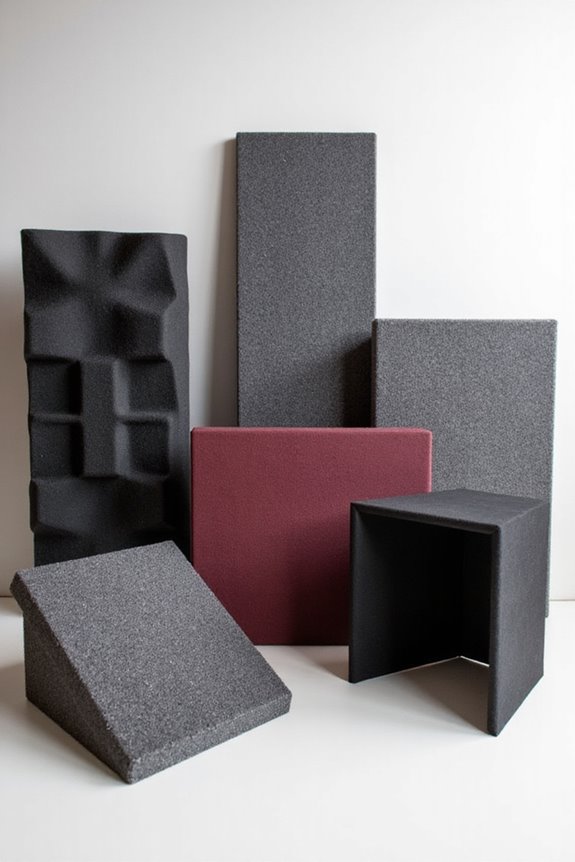
To improve sound clarity, let’s implement acoustic treatment solutions by adding panels to absorb echoes and using diffusers to maintain a balanced sound. Plus, we can minimize background noise by turning off distracting appliances. Finally, regular testing of our setup guarantees everything’s functioning well. By following these practices, we’ll elevate our audio quality, creating engaging and professional productions that resonate with our audience.
Frequently Asked Questions
What Are the Key Audio Accessories for Specific Filming Scenarios?
When we think about key audio accessories for specific filming scenarios, we shouldn’t overlook microphone types like lavaliers and shotgun mics, or essential gear like audio interfaces for ideal sound clarity. We’ve got to evaluate every detail!
How Important Is Brand Reputation in Audio Equipment Selection?
When we think of brand trust and quality assurance, we realize that established brands offer not just equipment, but a promise. Together, let’s embrace reliability; it’s our shared path to excellence in audio production.
Can I Rent Audio Equipment for Short-Term Projects?
Absolutely, we can rent audio equipment for short-term projects! With flexible audio rental options, we’ll find gear that fits our project duration perfectly, ensuring we have exactly what we need without breaking the bank.
What Are Common Mistakes to Avoid When Choosing Audio Gear?
You know, we’ve all been there—picking the wrong audio gear! To guarantee top audio quality, let’s avoid mismatched equipment compatibility and always test microphones and inputs before diving into our next big project.
How Can I Test Audio Equipment Before Purchasing?
When we’re testing audio equipment, it’s essential to conduct thorough audio testing and read equipment reviews. Let’s listen for clarity, check connections, and make certain everything functions smoothly to make a well-informed decision together.