As an Amazon Associate, we earn from qualifying purchases. Some links on this site are affiliate links at no extra cost to you. Our recommendations are based on thorough research and editorial judgment.


How To Select Music Software For Composition?

When selecting music software for composition, we should first identify our specific musical needs and goals. Are we classical composers needing complex notation or electronic musicians focused on robust MIDI tools? Next, let’s evaluate compatibility with our devices, like MuseScore’s cross-platform support. We should also consider the learning curve; software like Dorico is powerful but complex, while others, like MuseScore, are more user-friendly. By aligning software features with our creative objectives, we can streamline our workflow. Let’s explore further options to enhance our composing journey.
Key Takeaways
- Identify your genre preferences to determine the necessary features for effective composition, such as notation complexity or MIDI integration.
- Evaluate platform compatibility to ensure the software runs smoothly on your operating system, considering web-based options for collaboration.
- Assess the learning curve and user interface of different software, balancing complexity with user-friendliness to enhance your creative process.
- Analyze the feature set and customization options, looking for essential notation tools and sound libraries that align with your composition goals.
- Consider cost and licensing models, exploring free options and discounts, while weighing the benefits of subscription versus perpetual licenses.
Identifying Your Musical Needs and Goals
You may be interested


When we start selecting music software for composition, it’s important to first identify our unique musical needs and goals. Understanding our genre preferences greatly influences the software we choose. For example, classical composers might require complex notation capabilities, while jazz or pop creators often seek intuitive editing features that enhance flexibility. On the other hand, electronic musicians may prioritize robust MIDI integration and audio editing tools. Additionally, considering our composition objectives is vital. Are we focused on simple melodies or intricate arrangements? By aligning the software’s strengths with our genre and composition needs, we can guarantee a smoother workflow, ultimately allowing us to craft the music we envision and share it confidently with others. Many musicians also benefit from incorporating built-in effects that enhance sound customization and musical expression.
Recommended Products

88 hybrid synth-piano feel keys: The same comfortable waterfall keybed, expanded to full piano range for musical xpression normally reserved for premium stage keyboards.
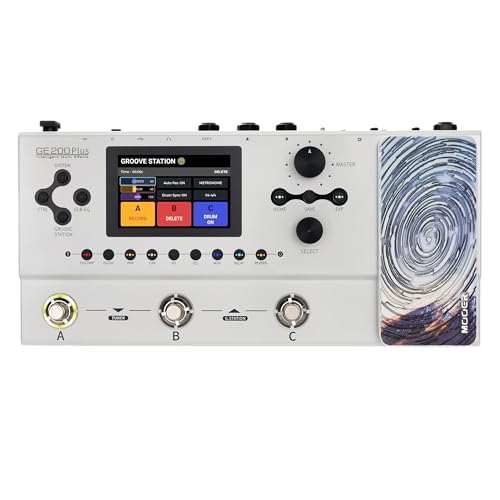
GE200 Plus Series, Powered by the brand-new GE series design language and user interface and retains the iconic GE series quick-access effect module buttons with 7 additional buttons for simple function access. Dedicated PC preset editing software and It is compatible with the MOOER Cloud for uploading and downloading presets and sample files

Classic Amp Models: GE200 houses 55 amplifier models which utilize MOOER MNRS technology that digital amp models will completely recreate the tone, touch and feel of their real-life counterparts.
Evaluating Platform Compatibility and Accessibility

Evaluating platform compatibility and accessibility is essential for ensuring our music composition experience is seamless and productive. We need to explore the platform support of various software; for instance, MuseScore works on Windows, macOS, and Linux, making it a versatile choice. Flat.io’s web-based model allows us to collaborate in real-time without installation hassles, enhancing accessibility features greatly.
However, some apps like StaffPad require specific hardware, such as a pen-enabled device. Understanding these differences helps us select software that fits our needs while considering budget constraints, as some options offer free versions. Ultimately, ensuring our tools are easily accessible across the devices we use fosters a community of creativity and collaboration. Additionally, considering sound quality features in software can greatly enhance our overall composition experience.
Recommended Products
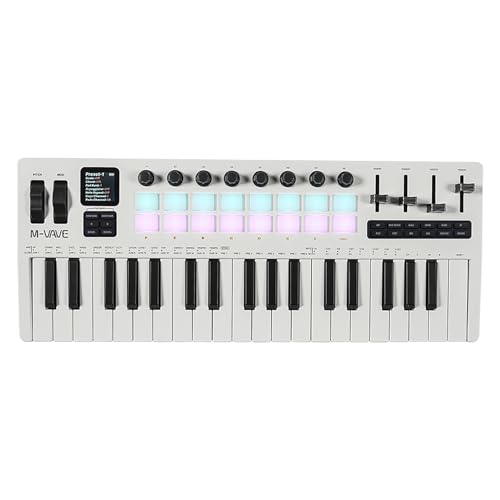
Iconic DX-7 FM Synthesis: Built-in DX-7 engine replicates legendary 1983 digital sounds (electric pianos, bells) with 1.54'' display for real-time editing.


Understanding the Learning Curve and User Interface

As we explore music composition software, it’s vital to recognize that the learning curve can considerably impact our overall experience. Professional options like Dorico or Sibelius indeed offer extensive features, yet their interface complexity can be intimidating for many of us. For those just starting, tools like MuseScore provide a moderate learning curve with ample learning resources and a supportive community.
Some software, like LilyPond, may require us to learn text-based coding, which can feel challenging initially but rewards advanced users with powerful capabilities. Striking the right balance between functionality and user-friendliness will enhance our journey as composers, making the process enjoyable rather than frustrating. Additionally, selecting software with a user-friendly interface can greatly improve productivity and creativity in composition.
Recommended Products

SOFTWARE, MEDIA COMPOSER

INCLUDED - Casio CDP-S360 88-Key Digital Piano, Pedal, Music Stand, AC Adapter, HA Headphones, Stand, Bench, Sustain Pedal 1-Year Warranty for a complete playing experience.

INCLUDES: KeyLab Essential 49 mk3 MIDI Controller, White with Deluxe Sustain Pedal and USB Cable, along with a Liquid Audio polishing cloth.
Analyzing Feature Set and Customization Options

How can we effectively analyze the feature set and customization options when choosing music composition software? First, let’s look at the support for notation elements like dynamics and articulations, which guarantees we maintain composition detail. We’ll also want to explore workflow flexibility—multiple note entry methods can drastically enhance our process. Key aspects such as sound libraries for audio output and integrated mastering tools can elevate our work’s quality. Additionally, look for score management features to efficiently handle complex scores. The ability to customize visual presentation through styles and layouts fuels creativity, while plugin ecosystems allow for functionality expansion tailored to our unique needs. These considerations are vital in selecting software that resonates with our creative approach. Furthermore, understanding construction quality can influence the selection of software that accurately captures the nuances of live performances.
Recommended Products

This item is sold and shipped as a download card with printed instructions on how to download the software online and a serial number to register and authenicate the software with the manufacturer.

Compose with confidence on 156 thick, 120gsm ivory cream pages, each featuring 10 spacious staves. Our premium paper resists bleed, ghosting, and smudging, ensuring every note, lyric, or marking remains crisp and clear for composers, musicians, songwriters, and students.
Considering Cost and Licensing Models
When we explore the world of music composition software, cost and licensing models play an essential role in our decision-making process. We often face choices between subscription models and perpetual licenses. For instance, Sibelius offers plans that range from free to $19.99/month, while perpetual options like Dorico Pro and Finale can cost around $600. Although free software like MuseScore provides great features, we may find ourselves limited in advanced tools. It’s important to reflect on our project complexity and whether continuous updates from subscription models justify long-term expenses. Academic discounts are also something to examine, as they can greatly lower costs. Ultimately, our choice depends on balancing budget constraints with our creative needs. Additionally, understanding budget impacts our choice of software and features can guide us toward the best fit for our artistic vision.
Recommended Products

Format: Book & Interactive Software

Exploring Support and Community Resources
After weighing cost and licensing options, it’s time to contemplate the dynamic support and community resources that come with music composition software. Joining online forums, like the Young Composers Music Forum, allows us to tap into invaluable community engagement. Here, we can discuss software options, seek peer feedback, and share our compositions. Active participation fosters collaboration and problem-solving, helping us navigate technological hurdles together.
Additionally, many platforms offer tutorials and user manuals, enhancing our learning experience. Social media groups and Discord servers often serve as vibrant hubs for real-time support. By embracing these resources, we can deepen our understanding and enrich our creative journeys, connecting with like-minded individuals who share our passion for music composition.
Frequently Asked Questions
What Types of Music Genres Does the Software Support?
When considering genre compatibility, we’ve found software that embraces style versatility, supporting everything from electronic to classical music. It makes our creative journey easier, ensuring we can explore and express our unique musical identities together.
Can I Collaborate With Others Using the Software?
Yes, we can absolutely collaborate using the software! Its collaboration features and intuitive user interface make it easy to connect with others, allowing us to create music together, share ideas, and enhance our collective creativity.
Does the Software Offer Cloud Storage Options?
When we seek music software, we should prioritize cloud features that offer accessibility and collaboration while ensuring storage security for our creative works. These elements help us feel connected and protected throughout our musical journey.
Are There Any Restrictions on Exporting My Compositions?
When considering exporting our compositions, we should remember that export formats might influence licensing agreements. It’s essential to check not just the formats but also compliance with any relevant export restrictions to avoid complications.
Is There a Mobile Version for Composing on the Go?
Imagine composing a melody while sipping coffee in a park! With mobile apps, we can harness offline functionality and intuitive features, allowing our creativity to flourish wherever we go, building our own unique musical journeys together.