As an Amazon Associate, we earn from qualifying purchases. Some links on this site are affiliate links at no extra cost to you. Our recommendations are based on thorough research and editorial judgment.

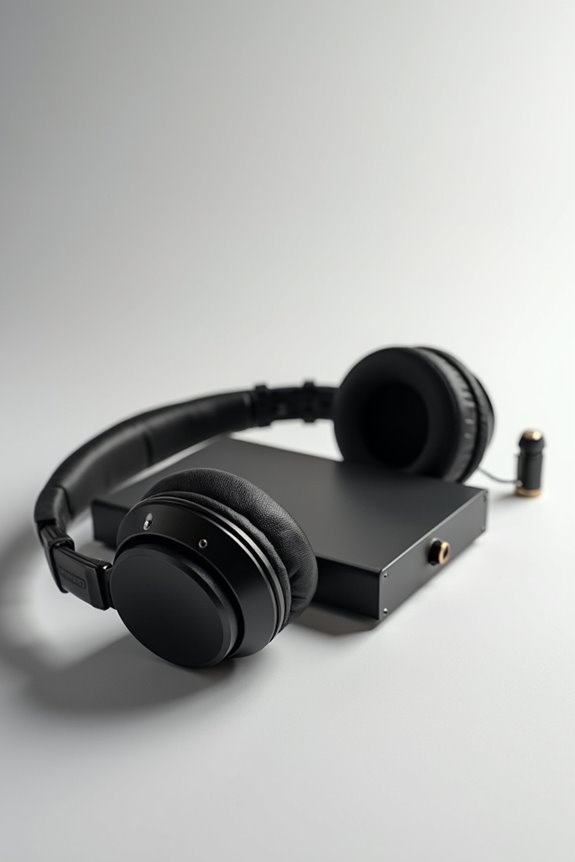
Which Audio Equipment Features Are Actually Useful?

When it comes to audio equipment, we should focus on features that genuinely enhance our recordings. High-quality preamps in audio interfaces improve sound cleanliness, while dynamic and condenser microphones cater to different environments, guaranteeing clarity and detail. Mixers with user-friendly controls and effective equalization let us fine-tune audio signals, enhancing overall sound quality. Additionally, monitor placement and quality headphones guarantee accurate listening. There’s much more to uncover about optimizing your audio setup, so let’s explore further!
Key Takeaways
- High-quality preamps are essential for clean sound and clarity in recordings, impacting overall audio quality significantly.
- Direct monitoring features allow musicians to hear themselves in real time without latency, enhancing performance.
- Understanding microphone characteristics, such as dynamic versus condenser, ensures optimal sound capture for specific scenarios.
- Proper mixer controls for EQ and volume adjustment help refine and enhance overall sound quality in both live and studio settings.
- Accurate stereo monitoring and good speaker placement are crucial for achieving a well-balanced and precise audio mix.
Understanding Audio Interfaces: Key Features
You may be interested


When we’re diving into the world of audio interfaces, we find they’re essential tools for bridging our instruments and microphones to our digital audio workspaces. Understanding input options is vital, as XLR inputs support microphones while line inputs connect guitars directly, minimizing interference. The quality of preamps in our interfaces greatly impacts sound cleanliness, with high-quality options providing transparency and warmth. We should also consider sampling rates—ranging from 44.1 kHz to 192 kHz—because they affect audio resolution. Direct monitoring features allow us to hear our inputs in real-time without latency, enhancing our performance quality. Finally, robust connectivity features, including digital outputs like S/PDIF, enable us to integrate and expand our setups, ensuring we stay in tune with our creative ambitions. Additionally, many audio interfaces come equipped with built-in effects that allow for sound customization, similar to features found in guitar amps.
Recommended Products

Accompaniment Styles add a "backing band" when you play or perform for dynamic and professional results. Customize and personalize your music while maintaining control over chord changes and arrangements.

SOUND ENGINE DESIGN: The Roland Keyboard features four independent sound engines, including acoustic piano, electric piano, organ, and ZEN-core synthesizer engines, delivering a wide range of versatile tones ideal for professional stage performance

Mix and record through AAX DSP plugins with rock-solid sub-1 ms latency monitoring
Microphone Selection: Essential Characteristics

Selecting the right microphone is critical for achieving the best sound quality in any audio project. We all know that different microphones suit different needs, so understanding essential characteristics is key. For instance, dynamic microphones offer remarkable durability, making them perfect for live performances and loud sound sources due to their high sound pressure level handling. On the other hand, a condenser microphone provides exceptional frequency response, ideal for capturing vocals and instruments with precise detail. When choosing a mic, consider directional patterns as well—cardioid designs help minimize background noise and feedback, while omnidirectional types work well for recording groups. Additionally, knowing about sound quality enhancements can guide you to select a microphone that complements your amplifier for optimal performance. In short, knowing these essential features helps us make better decisions for our audio projects.
Recommended Products

Cardioid Condenser Microphone


Excellent feedback rejection
The Role of Mixers and Equalization in Sound Quality

Mixers and equalization play a pivotal role in shaping sound quality, as they allow us to control and refine the various audio signals we manage. With different mixer types, we can combine inputs seamlessly in both live sound and studio production. Each mixer channel typically features volume control, panning, and EQ settings, enabling precise tonal adjustments. Additionally, user-friendly controls are essential for both novice and experienced DJs to navigate their equipment effectively.
Recommended Products
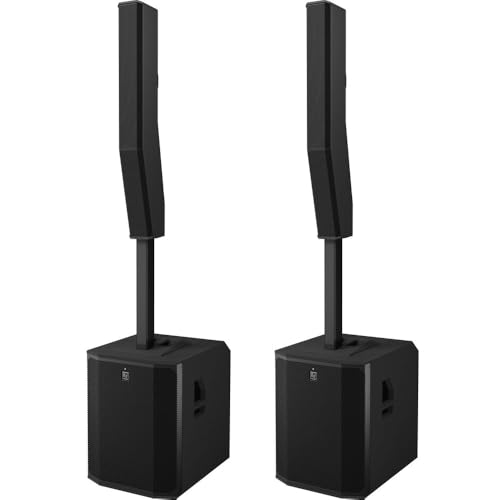
EVOLVE 90 Active Subwoofer : EVOLVE 90 Column Speaker Array
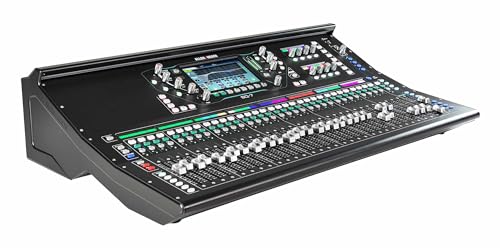
Driven by Allen & Heath’s 96kHz XCVI FPGA engine, delivering exceptional high-resolution audio quality, ultra-low latency of <0.7ms and variable bit depths for optimized dynamic range

32 (16 - Si Expression 1, 24 - Si Expression 2) mono mic inputs
Importance of Compressors and Limiters in Audio Recording

After establishing a solid foundation in mixers and equalization, we can now look at how compressors and limiters further enhance our audio recordings. Compressors reduce dynamic range by controlling loud peaks while boosting quieter sections, providing our mixes with dynamic control. Using compression techniques like gentle 2:1 ratios can maintain subtle nuances in vocals, while 8:1 ratios can emphasize musicality in instruments. Limiters, on the other hand, act as a safety net, protecting against distortion by capping signal peaks. They’re essential during mixing and mastering, ensuring our audio doesn’t exceed maximum output levels. Ultimately, the right threshold and ratio settings let us create a balanced sound that maintains integrity, making both compressors and limiters indispensable tools in our recording process. Additionally, understanding how advanced audio formats like Dolby Atmos can influence sound design is crucial for achieving a truly immersive audio experience.
Recommended Products


1-channel Digitally-controlled Analog Compress/Limiter with 8 Curves Variable Harmonic Disttion

Interactive Reference-Class 2-Channel Expander / Gate / Compressor / Enhancer
Monitoring Equipment: What You Really Need
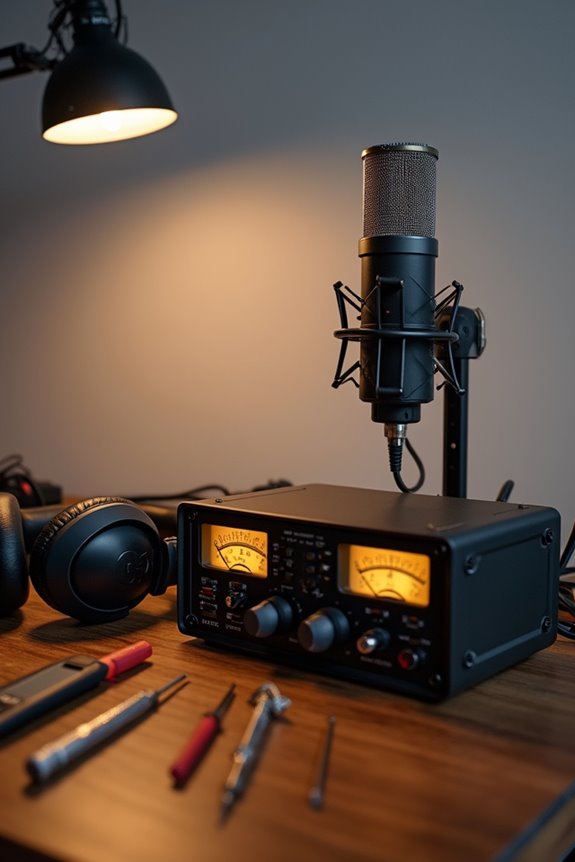
What makes monitoring equipment essential for achieving high-quality audio recordings? When we engage in our projects, accurate stereo monitoring is key. Using two speakers allows for a realistic left-right audio image, but we must consider speaker placement and room acoustics for peak performance. Subwoofers can deepen the bass, enhancing mix precision, while proper acoustic treatment prevents sound coloration. High-quality studio headphones are our best allies when speakers aren’t practical; they offer headphone isolation from ambient noise, letting us focus. With multiple outputs and the option to switch between headphones and monitors, our workflow remains flexible. Invest in monitor controllers for precise volume control, and verify connections are clean using XLR cables to minimize interference. Additionally, the placement affects audio performance significantly, as positioning front speakers at ear level can lead to a more immersive listening experience. That’s how we create stunning audio together!
Recommended Products

POWERED LOUDSPEAKER SYSTEM - The JBL 4305P Studio Monitor is a completely self-contained powered loudspeaker system featuring high-resolution streaming audio and prosumer connectivity.

Powered 3-way Studio Monitor with 8.25" LF Driver

Powered 3-way Studio Monitor with 8.25" LF Driver
Frequently Asked Questions
How Do I Choose the Right Cables for My Audio Equipment?
Choosing the right cables for our audio setup feels like picking the perfect thread for a tapestry. We’ve got to contemplate cable types and lengths, ensuring vibrant connections that harmonize our sound beautifully together.
What Types of Audio Interfaces Are Best for Beginners?
When exploring audio interfaces for beginner setups, we’d highly recommend USB interfaces. They’re user-friendly, cost-effective, and versatile, making them perfect for us as we commence on our creative journeys in music and sound production together.
Do I Need an External Audio Interface if My Computer Has One?
We might think our computer’s internal audio suffices, but embracing the interface benefits of an external audio interface can elevate our sound experience, giving us enhanced control and clarity that built-in options simply can’t provide.
How Can I Improve My Recording Environment Without Expensive Gear?
To improve our recording environment without expensive gear, we can embrace acoustic treatments and soundproofing techniques. By using rugs, curtains, and DIY panels, we’ll create a welcoming space that enhances our sound quality together.
Are There Any Budget-Friendly Alternatives to Professional Studio Monitors?
Did you know that 70% of home studio enthusiasts opt for budget monitors? We can find quality sound in models like the PreSonus Eris E5 and JBL 305P MkII, delivering impressive sound quality without breaking the bank.