As an Amazon Associate, we earn from qualifying purchases. Some links on this site are affiliate links at no extra cost to you. Our recommendations are based on thorough research and editorial judgment.


How To Choose A Home Audio System For Your Budget?

To choose a home audio system that fits our budget, we should first establish clear financial limits, ideally allocating 40-50% for quality speakers. We need to evaluate speaker types based on our room size. For instance, bookshelf speakers work well in smaller spaces, while floorstanding speakers suit larger rooms. It’s essential to assess format compatibility and focus on matched pairs for better sound. By sticking to these guidelines, we’ll maximize our audio experience while staying on budget. There’s more insight to explore to make informed decisions.
Key Takeaways
- Establish a clear budget and allocate 40-50% for quality speakers, 30% for displays, and reserve funds for accessories.
- Choose speaker types based on room size: bookshelf for under 150 sq ft and floorstanding for larger spaces over 200 sq ft.
- Ensure speaker compatibility with AV receivers and opt for lossless formats like Dolby TrueHD for the best sound quality.
- Position speakers correctly to enhance sound quality, reduce distortion, and balance acoustics in the room.
- Consider price-performance ratios; systems between $200 and $500 offer great value without overspending for subtle enhancements.
Establishing Your Budget Limits
You may be interested


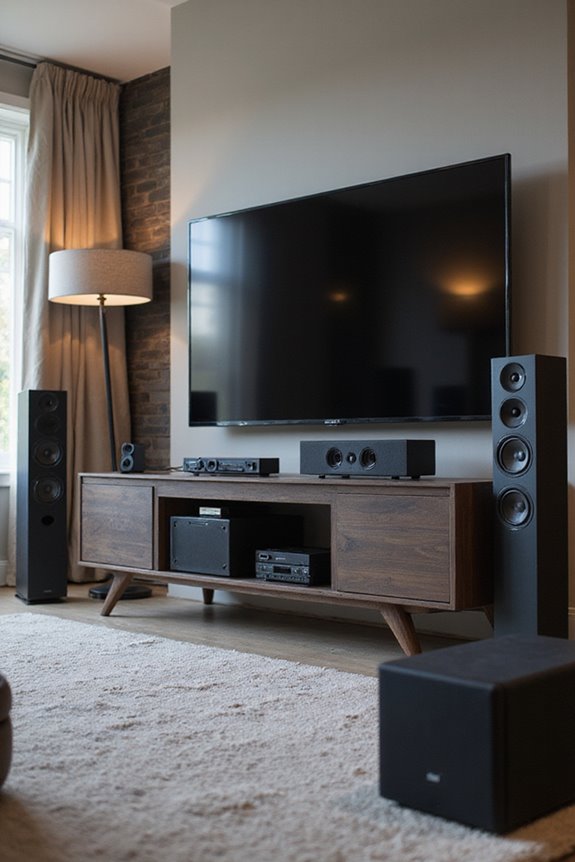
When we think about setting up a home audio system, it’s essential to establish our budget limits first. Determining our budget constraints helps guide us in prioritizing our allocation effectively. For instance, if we’re working with a budget of $2,500, we might consider dedicating about 40-50% of that to a quality speaker package, guaranteeing rich sound experience. Meanwhile, we could limit our display costs to about 30%, allowing the remainder for necessary accessories. Establishing these parameters guarantees we make informed decisions and invest in components that truly elevate our audio experience. Starting with main speakers and receivers can set a solid foundation, letting us gradually upgrade based on our evolving preferences while staying within our criteria. Additionally, evaluating options like advanced equalizer settings can enhance sound customization, ensuring that the system meets our listening preferences.
Understanding Speaker Types for Different Room Sizes
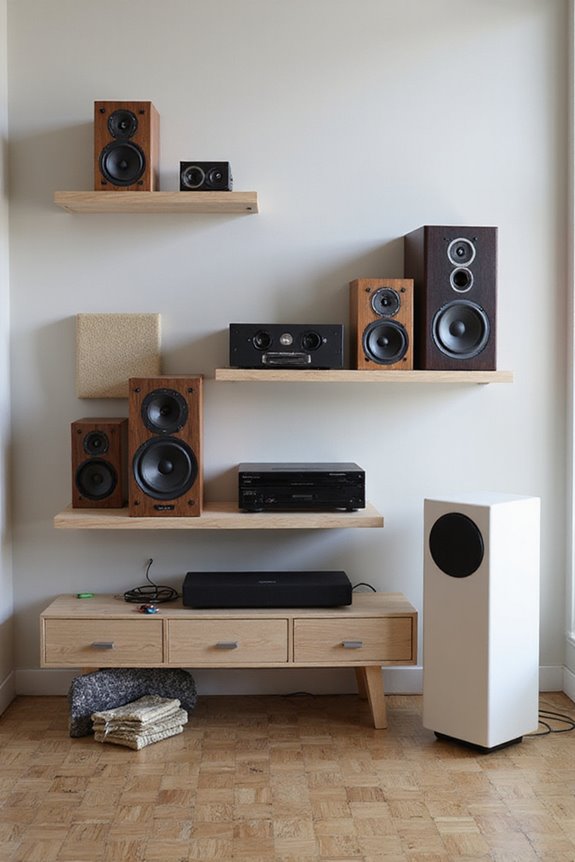
Choosing the right speaker type for our home audio system begins with understanding how room size influences sound quality. For smaller spaces under 150 sq ft, bookshelf speakers are ideal due to their size and flexibility. They excel in “near field” listening, ensuring clear sound without distortion. We should prioritize 18–24 inches of wall clearance to optimize performance.
In larger rooms—over 200 sq ft—floorstanding speakers shine, offering greater bass and fuller sound. However, we must be mindful of speaker placement, as room acoustics can affect sound quality. By carefully positioning our speakers, we can create a richer audio experience, minimizing sound distortion and maximizing enjoyment in our listening environments. Additionally, selecting speakers with high-quality components can further enhance the clarity and richness of the audio.
Recommended Products
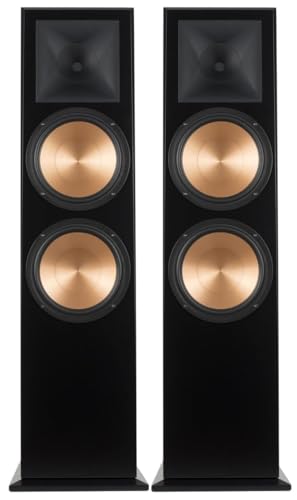
90° X 90° Tractrix Horn: The compressed molded rubber construction adds high-frequency damping to reduce harshness and improve detail. This creates the cleanest, most natural sound possible | All New Driving Force: This speaker has an impressive 1 3/4" titanium diaphragm compression driver
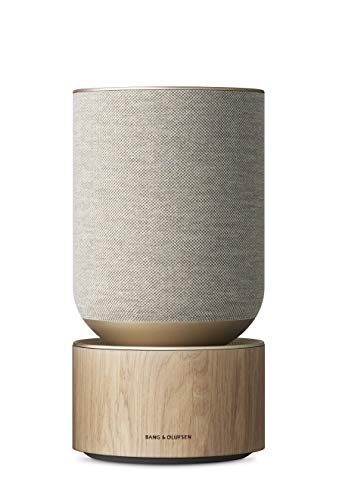
Beautifully balanced: Contemporary, elegant design. Pure, unspoiled sound performance. Two sides to one speaker working in harmony, Beosound Balance.

IMPLOSIVE SOUNDSTAGE - Experience an expansive soundstage that transforms any space into an auditory delight, making it the perfect surround sound system for your home. Superior user experience, including Devialet Remote for precision handling.
Navigating Sound System Formats and Compatibility

Maneuvering sound system formats and compatibility is just as important as selecting the right speakers for our space. Understanding audiovisual formats guarantees we make informed choices for our home setup. For instance, if we favor high-quality sound, opting for lossless formats like Dolby TrueHD or DTS-Master HD is key. This is especially beneficial in high-end systems or when utilizing Blu-ray players.
When considering surround sound configurations, we might choose between 5.1 or 7.1 systems based on available space and immersion needs. It’s essential to check our AV receiver’s compatibility with these audio formats. By confirming that our devices align with our desired audio format compatibility, we can create an optimized listening experience tailored to our preferences. Additionally, selecting amplifiers that support advanced audio formats ensures that we fully enjoy the capabilities of our home theater system.
Recommended Products

Performance:The Marantz Sound Master meticulously tuned CINEMA 40 for amazing performance with careful parts selection to create the Most Musical Sound in your home.
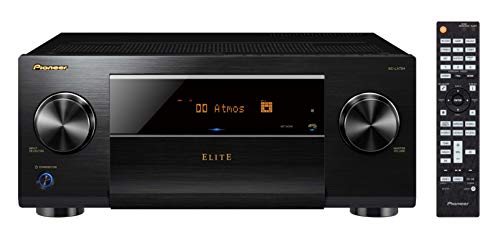
Mcacc Pro, the pinnacle of pioneer’s auto room Tuning technology, analyzes the phase and group delay characteristics to precisely control phase differences between speakers. Mcacc Pro corrects phase differences in all ranges and all channels, from phase difference in the original audio material to the sound emitted from the speakers.

ENVELOPING 3D AUDIO, GEARED FOR 8K - Featuring 8K/60Hz pass-through, the 9.4-Ch AVR-X3800H (105W X 9) Bluetooth Amplifier delivers video and smooth animations, while the Dolby Surround & DTS Neural:X upmixer offer heightened realism
Key Components of a Sound System Setup

A robust sound system setup typically consists of several essential components that work in harmony to deliver an exceptional listening experience. First, let’s talk about speakers. Matched pairs—like bookshelf or floor-standing models—are vital for stereo sound and spatial imaging. Their placement in the room greatly impacts the overall soundstage; proper positioning minimizes reflections and balances acoustics effectively. Next, we’ll consider amplifier types. Integrated amplifiers streamline your setup, while dedicated power amplifiers can elevate audio performance in more advanced systems. Finally, don’t forget about subwoofers, which enrich bass, enhancing genres that rely on deep tones. With thoughtful speaker placement and the right amplifier type, we elevate our audio experience and guarantee clarity across all frequencies. Additionally, it’s important to evaluate speaker placement based on room dimensions to optimize sound coverage.
Recommended Products
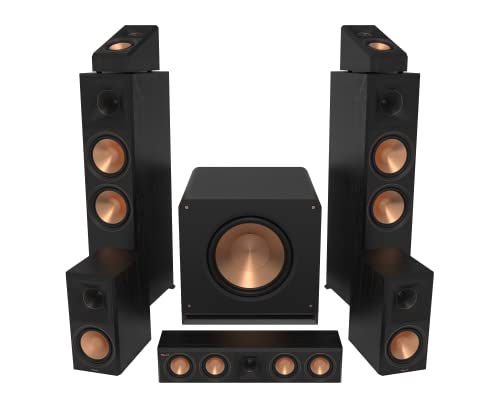
System includes: (2) RP-8000F II floorstanding speakers, (1) RP-404C II center channel speaker, (1) pair RP-500SA II Dolby Atmos surround sound speakers, (1) pair RP-600M II bookshelf speakers, (1) RP-1600SW 16-inch subwoofer

2,200W Powered Subwoofer with 18" Woofer

Recommended uses for product: Indoor/Outdoor
Evaluating Quality Versus Price
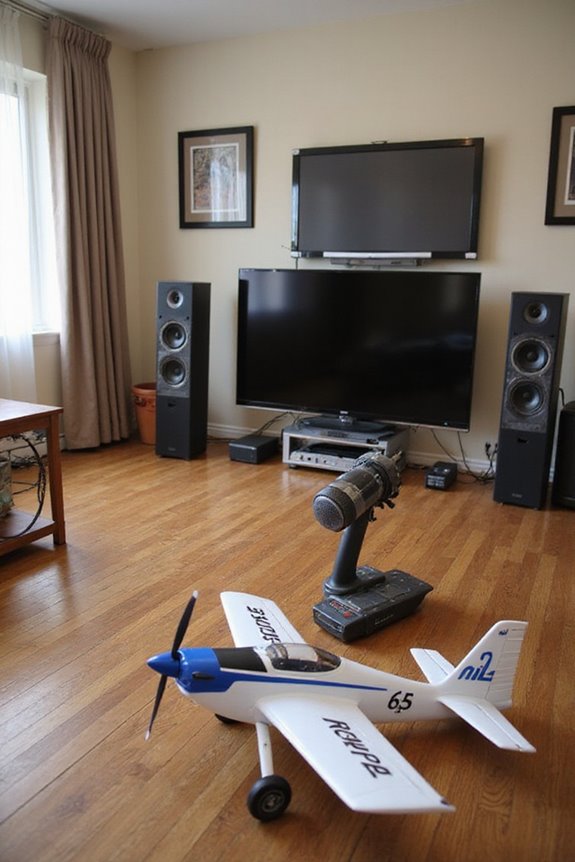
When we set out to evaluate the quality of home audio systems against their price, it’s vital to recognize that the relationship isn’t always straightforward. Often, sound quality improvements follow a diminishing returns curve. For instance, systems priced between $200 and $500, like Denon’s D-M41DAB, offer remarkable clarity and room-filling sound, reflecting excellent price performance ratios. On the higher end, systems over $1,000 provide subtle enhancements appreciated by serious audiophiles. It’s important to take into account component synergy; systems optimized with matching speakers deliver superior performance. While advanced features and materials can add costs, understanding their value guarantees we invest wisely without sacrificing sound quality or going over budget. Additionally, power output considerations play a crucial role in ensuring that the system can adequately fill your space with sound.
Recommended Products

QD-MINI LED: TCL's QD-Mini LED combines the merits of QLED and OLED technologies, transforming the traditional backlight into lighting that is close to pixel-level precision.

COGNITIVE PROCESSOR XR – Revolutionary TV processing technology that understands how humans see and hear to deliver intense contrast with pure blacks, high peak brightness, and natural colors.

AMD Ryzen 9 9950X3D 4.3GHz (5.7GHz Turbo Boost) CPU Processor | 4TB Gen4 NVMe M.2 SSD – Up to 30x Faster Than Traditional HDD | 420mm AIO Liquid CPU Cooler with ARGB Fans, say goodbye to outdated and inefficient air coolers.
Considering Additional Factors in Your Decision
As we plunge into choosing the right home audio system, understanding the additional factors that influence our decision is essential. One key consideration is our room’s size and acoustic environment. Larger spaces might require more powerful systems, and adding acoustic treatments like rugs or wall panels can greatly enhance sound clarity by controlling reflections. It’s also vital to look at speaker configurations; pairs of bookshelf speakers or a surround setup can dramatically improve our listening experience.
Moreover, we shouldn’t overlook the user interface. An intuitive control system, whether through an app or voice commands, simplifies operation and enhances our enjoyment. Ultimately, integrating these elements allows us to create the ideal sound environment in our homes.
Planning for Future Upgrades and Accessories
How can we guarantee our home audio system remains relevant as technology evolves? By adopting thoughtful upgrade strategies and ensuring accessory compatibility, we can extend our system’s lifespan. For instance, investing in a high-quality receiver allows us to seamlessly integrate future components, like additional speakers or advanced surround sound formats such as Dolby Atmos.
Opting for systems with modular designs makes it easy to update gradually without losing sound quality. Also, staying informed about emerging technologies helps us choose equipment that supports firmware updates. By prioritizing flexible layouts and multiple connectivity options, we can adapt our systems to include everything from subwoofers to smart controls, keeping our audio experience fresh and engaging for years to come.
Recommended Products

Immersive Surround Sound – 7×60 W of clean, controlled power brings movies, music, and games to life. Every whisper, explosion, and musical note is precise, creating a cinematic experience in your own home.
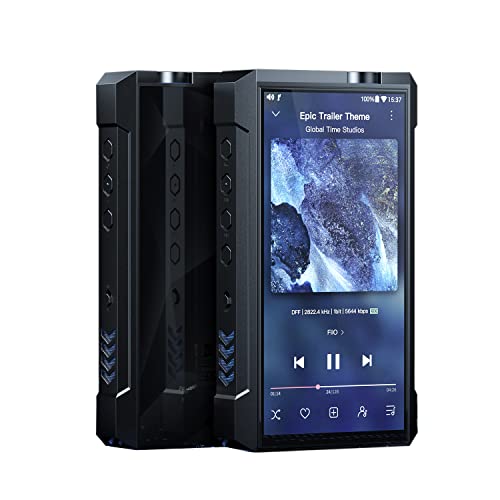
[Desktop-league DAC ES9038PRO]: The left and right audio channels each contain a desktop-class, 8-channel ES9038PRO flagship DAC. This means that each audio channel has 8 parallel outputs summed together for superior resolution and minimal distortion for extremely pure audio reproduction.

Smartphone Integration - Supports Wireless Apple CarPlay and Android Auto, enabling seamless integration with your smartphone. Safely access your favorite apps, such as Maps, Music, Messages, Phone, Podcasts, and Siri voice commands.
Frequently Asked Questions
What Are the Best Brands for Home Audio Systems?
When considering the best brands for home audio systems, we should explore premium brands like KEF and Naim, alongside budget options like JBL and Denon, ensuring everyone finds their perfect audio match and feels included in our shared experience.
How Can I Improve Sound Quality Without Spending Much?
Wondering how we can improve sound quality without breaking the bank? We can use soundproofing techniques and simple acoustic treatments, like placing panels or rearranging furniture, to elevate our audio experience and enjoy our favorite tunes together.
Are Wireless Systems as Good as Wired Ones?
When we compare wireless advantages to wired limitations, we find wired systems excel in sound quality. However, we love wireless setups for their convenience and flexibility, making them ideal for casual listeners and portable experiences.
How Do I Test Audio Equipment Before Purchasing?
When we experience the joy of deep bass or crystal-clear highs, we realize the importance of thorough audio testing. Let’s conduct equipment evaluations together, ensuring every piece meets our standards for perfect sound.
What Common Mistakes Should I Avoid When Buying Speakers?
When we’re buying speakers, we shouldn’t overlook speaker size and sound balance. It’s essential to avoid oversized speakers in small rooms. Let’s prioritize personal listening experiences over specs and reviews to find the perfect fit together.