As an Amazon Associate, we earn from qualifying purchases. Some links on this site are affiliate links at no extra cost to you. Our recommendations are based on thorough research and editorial judgment.

How To Choose A Home Audio System For Music?

When choosing a home audio system for music, we should start by understanding speaker types. Active speakers are great for compact spaces, while passive speakers allow customization. Room size plays an important role; bookshelf speakers work well in small rooms, but floor-standing options shine in larger spaces. Connectivity matters too—wired options offer high fidelity, while wireless provides flexibility. Finally, budgeting is essential; investing 40-50% of our budget in speakers often guarantees high-quality sound. Let’s explore these aspects further.
Key Takeaways
- Determine your room size to select appropriate speaker types; small spaces favor bookshelf speakers, while larger rooms may require floor-standing models.
- Assess your connectivity needs; choose between wired or wireless options based on convenience and compatibility with your audio sources.
- Establish your budget early; allocate 40-50% to the speaker system for optimal sound quality, considering additional costs for other components.
- Evaluate the importance of bass; include a subwoofer for richer audio, especially if you enjoy genres reliant on low-frequency sounds.
- Opt for high-quality cables and accessories to minimize noise and enhance audio clarity, ensuring a better overall listening experience.
Understanding Speaker Types
You may be interested


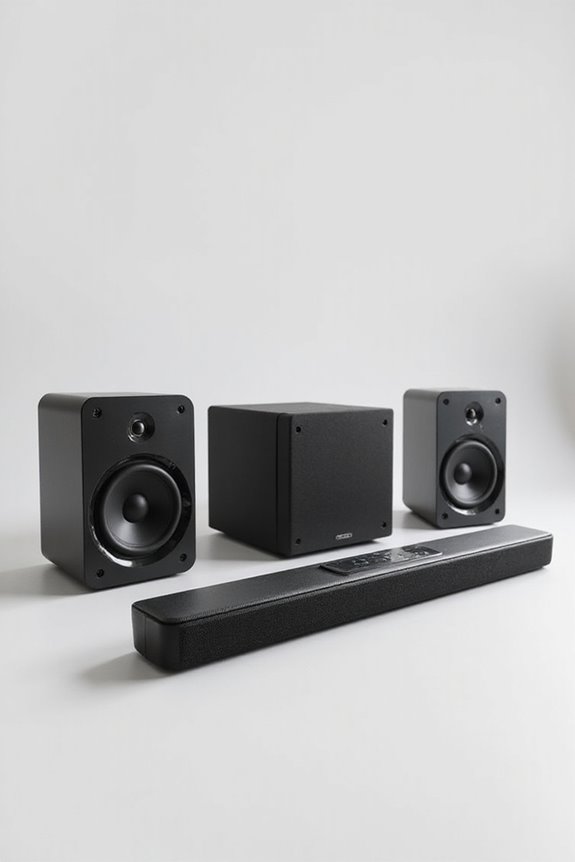
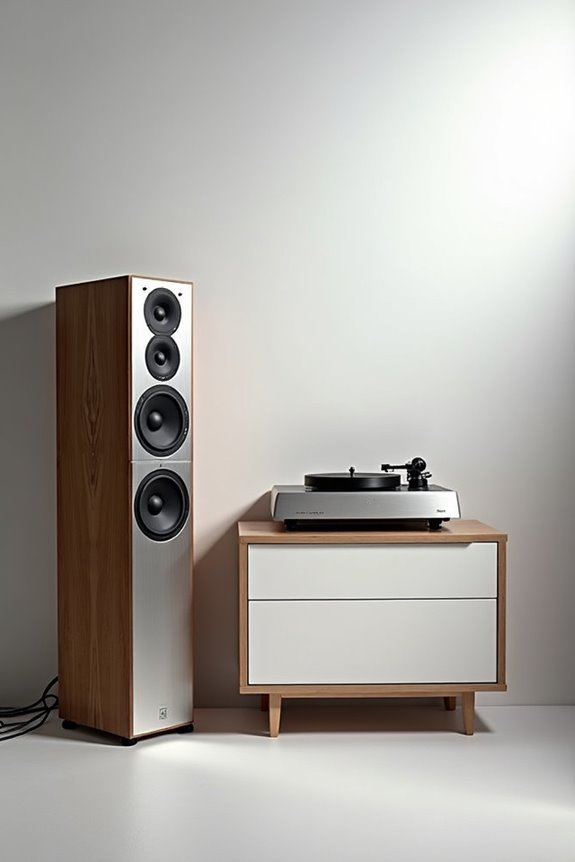
As we plunge into the world of home audio systems, it’s essential to understand the different types of speakers available to us. We have two primary options: active and passive speakers. Active speakers, like those from JBL and Sonos, come with built-in amplifiers, making them perfect for compact spaces and multi-room setups. On the other hand, passive speakers require an external amplifier, providing greater customization for those who enjoy pairing gear—ideal for various formats like bookshelf and floor-standing speakers. If we’re looking for rich bass and immersive sound, floor-standing speakers from brands like Klipsch may be our best bet. Each speaker type serves different needs, ensuring we find the right fit for our unique audio experiences. Additionally, understanding power output requirements helps in selecting the ideal amplifier to match your speaker’s performance.
Exploring Popular Audio System Formats

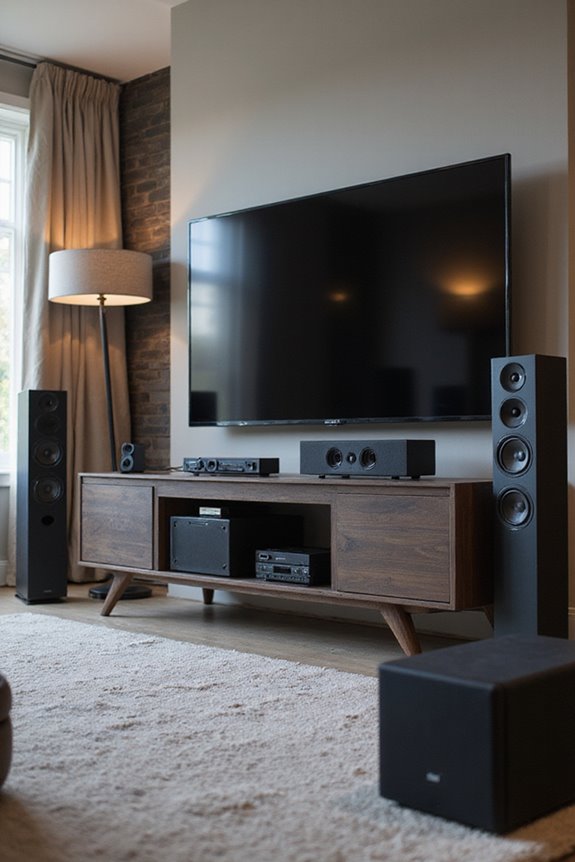
How can we choose the right audio system format that fits our needs? One popular option is 5.1 surround sound, featuring five speakers and a subwoofer, offering a solid entry point for immersive audio. If we have a larger space, 7.1 surround sound adds two more speakers for even richer sound. We should also consider audio codecs like Dolby Digital Plus and DTS, which guarantee compatibility across various media. For those seeking a high-end experience, formats like Dolby Atmos elevate our setup by incorporating overhead speakers, enhancing the three-dimensional sound field. Ultimately, it’s about finding the right balance between performance and our specific listening environment, whether we prioritize fidelity or convenience. Additionally, exploring surround sound configurations can enhance our situational awareness and overall listening experience.
Recommended Products

LOWEST EVER, WHILE SUPPLIES LAST @ $6077 (save $2122). Built on 70+ years of audio legacy & the legendary NAKAMICHI DRAGON name, this #1-rated extreme system is the dream theater everyone talks about, driven by our 11.4.6-ch architecture + Pro-Cinema Engine. Dream plug-and-play performance made simple.

System includes: (2) RP-8000F II floorstanding speakers, (1) RP-504C II center channel speaker, (1) pair of RP-502S II Dolby Atmos speakers, (1) pair of RP-500SA II Dolby Atmos speakers, and (1) Onkyo TX-NR6100 AV receiver

As main components, your purchase include: One Console, 4 OnmiJewel side speakers, One Omni Jewel center speaker, One Acoustimass wireless bass module, universal remote control, 2 wireless receivers, One ADAPTiQ headset and Owner’s guide
Considering Room Size and Acoustics
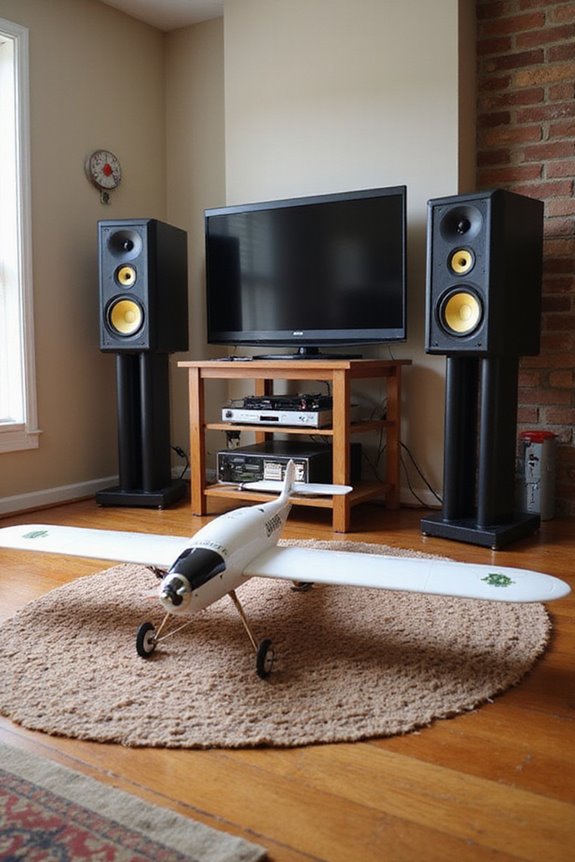
Choosing the right audio system format is only part of the equation; we also need to think about the room where we’ll be setting it up. The dimensions and shape of our space greatly affect sound quality. For instance, small rooms (under 15 m²) benefit from bookshelf speakers, while larger spaces may require floor-standing models or even multiple subwoofers. Room acoustics are essential; rectangular rooms distribute sound waves more evenly than square ones, which can create echoes. We should also consider acoustic treatments like panels or carpet to enhance clarity. Let’s align our speaker selection and listener placement strategically to avoid bass distortion and guarantee rich, immersive sound. A surround sound system can significantly enhance the listening experience by providing multi-directional audio that complements the room’s acoustics. Together, we can create an enjoyable listening environment tailored to our unique space.
Recommended Products
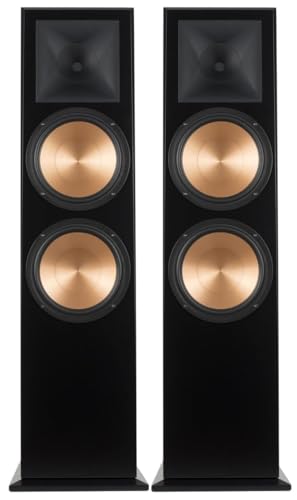
90° X 90° Tractrix Horn: The compressed molded rubber construction adds high-frequency damping to reduce harshness and improve detail. This creates the cleanest, most natural sound possible | All New Driving Force: This speaker has an impressive 1 3/4" titanium diaphragm compression driver
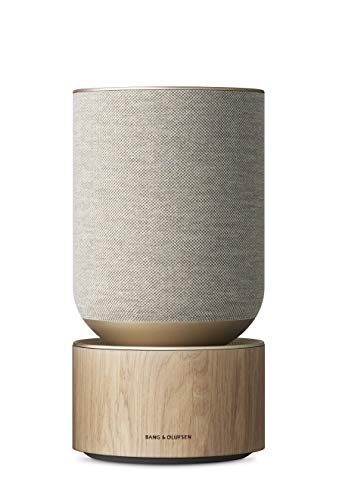
Beautifully balanced: Contemporary, elegant design. Pure, unspoiled sound performance. Two sides to one speaker working in harmony, Beosound Balance.
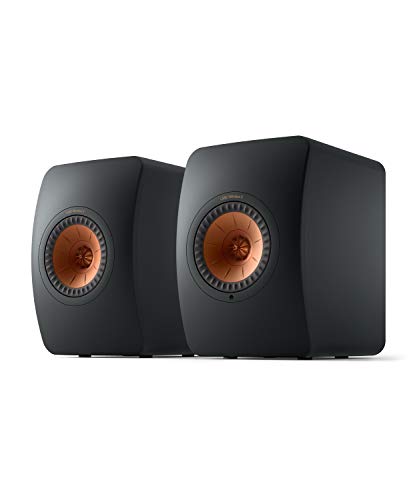
Available streaming services include: Spotify Connect, Tidal, Amazon Music, Qobuz, Deezer, QQ Music, Internet Radio, and Podcasts.
Evaluating Connectivity Options

When evaluating connectivity options for our home audio system, what should we prioritize to secure seamless integration with our devices? We should look at both wired connections, like HDMI and USB, which provide high-fidelity audio, and wireless options such as Bluetooth and Wi-Fi for flexibility. It’s crucial to guarantee our system supports various audio formats and streaming services, like Tidal or Amazon Music, to cater to our diverse listening preferences. We should also consider user interfaces—dedicated apps or voice control can enhance our experience. Finally, we need to think about compatibility issues and future proofing systems to adapt as technology evolves, ensuring we can enjoy high-quality sound for years to come. Additionally, systems with multiple playback options allow for versatile audio formats and enhance overall enjoyment.
Recommended Products

BRIGHTNESS BOOSTER MAX: The LG OLED evo shines even brighter than before. Brightness Booster Max technology magnifies each individual pixel for luminous quality that shines with every detail.

QD-MINI LED: TCL's QD-Mini LED combines the merits of QLED and OLED technologies, transforming the traditional backlight into lighting that is close to pixel-level precision.

Fully balanced circuitry to deliver impressively low signal-to-noise ratio and improved channel separation
Budgeting for Your Audio System
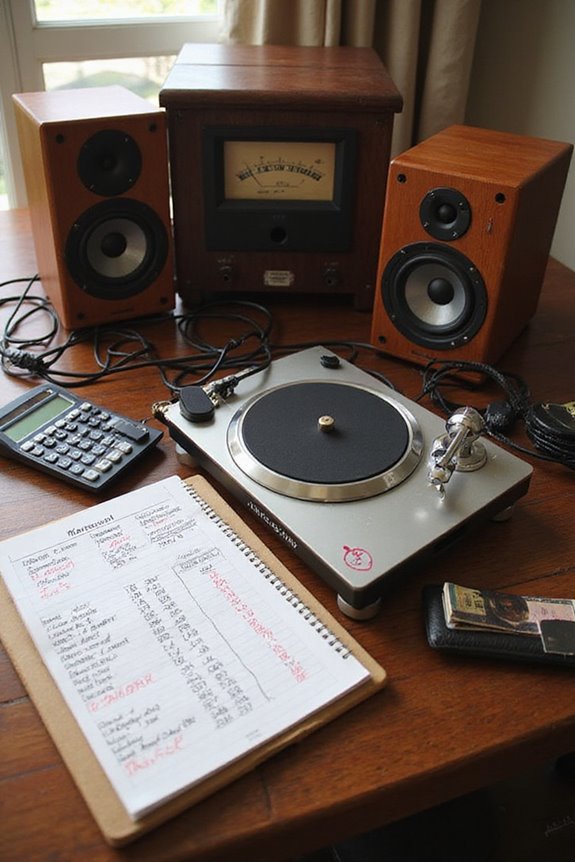
Securing the right audio system doesn’t just hinge on connectivity; it also requires a solid financial plan. When we set out to choose our audio system, we need a realistic budget framework. Basic systems generally range from $500 to $2,000, while higher-end setups can exceed $10,000. For peak sound quality, it’s wise to allocate 40-50% of our budget to the speaker system, focusing on the left, right, and center channels. Additionally, we should factor in costs beyond the gear, including acoustic treatments and potential installation fees. Remember, investing in sound quality often takes precedence over visuals, ensuring we truly experience our music in all its glory. Let’s build a system that fits our needs and our finances. Choosing the right system also involves evaluating audio performance requirements to ensure optimal sound quality.
Recommended Products
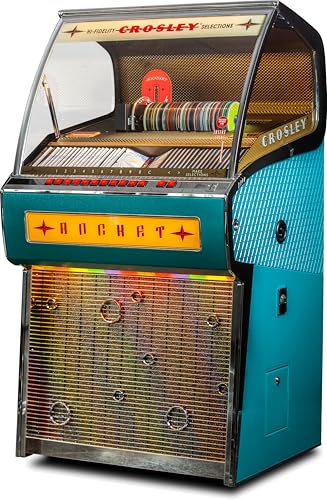
Hand-built in the UK 80-disc jukebox CD mechanism with rotating display

Fully balanced circuitry to deliver impressively low signal-to-noise ratio and improved channel separation

Three way, 15” horn loaded loudspeakers
Prioritizing Features for Listening Habits
One key factor in selecting an audio system is aligning features with our unique listening habits. We should consider our music preferences and the various listening environments in our homes. For instance, if we often play background music in open spaces, a multi-room system with wireless capabilities can effectively distribute sound. In contrast, those who enjoy more interactive sessions, like live performances, might prioritize systems that emphasize clarity and detail in mid and high frequencies. Additionally, connecting via WiFi generally enhances stability for streaming, while voice control can simplify our day-to-day management. By thoughtfully evaluating these features, we can choose an audio setup that truly meets our diverse audio needs, enhancing our overall listening experience.
Assessing Audio Quality and Sound Characteristics
Evaluating audio quality and sound characteristics is crucial for guaranteeing we choose a home audio system that truly enhances our listening experience.
First, we should focus on frequency response. A flat response guarantees our music sounds accurate, without unwanted boosts or cuts. Then, we need to examine speaker sensitivity—higher sensitivity speakers demand less power for loud volumes, making them ideal for smaller spaces. Also, let’s remember distortion characteristics, particularly Total Harmonic Distortion (THD). Lower distortion yields clearer sound. Finally, channel uniformity is critical—matching frequency response and sensitivity across speakers prevents soundstage imbalance. By considering these aspects, we can select an audio system that truly reflects the artistry in our favorite music, creating an immersive experience for everyone involved.
Importance of Speaker Placement
How essential is speaker placement in achieving ideal sound quality? It’s vital! When we set up our speakers, we need to emphasize speaker symmetry. Positioning them evenly concerning our listening spot creates a balanced soundstage, enhancing our experience. Ideally, we should center speakers along the longest wall, ensuring maximum sound dispersion and minimizing reflections.
Equally important is wall distance. Keeping speakers at least 2 to 3 feet away from walls helps minimize boundary interference, preventing unwanted bass buildup and reflections. By forming an equilateral triangle between our speakers and listening position, we can truly enhance stereo imaging. With thoughtful speaker placement, we can transform any space into a vibrant venue for our favorite music.
Enhancing Your System With Accessories
To truly elevate our audio experience, we must consider the array of accessories available that can enhance our home audio systems. High-quality cable quality is essential, as it minimizes noise and maintains signal integrity between our components. Adding streaming devices allows us to access high-resolution music easily and integrate various sources, boosting our system’s versatility. Subwoofers improve bass management, adding depth and clarity that we can genuinely feel. To keep our sound pristine, vibration isolation accessories safeguard against distortion from mechanical resonance. Finally, using smart remote controls and apps simplifies audio integration and enhances our overall enjoyment. Each of these enhancements brings us closer to the immersive sound experience we crave.
Recommended Products

Weight capacity: 620 lbs (281 kg) per set of 4.

HI-RES AUDIO CERTIFIED WITH HIGH-END COMPONENTS FOR STUDIO-QUALITY SOUND – High resolution certified audio produced by loaded ribbon tweeters for crisp, natural-sounding highs.

HI-RES AUDIO CERTIFIED WITH TERRIFIC SOUND QUALITY - Hi-res audio certified. You can now play high-quality sound sources without compression and enjoy lossless music.
Frequently Asked Questions
How Do I Maintain My Home Audio System?
To maintain our audio system, we must prioritize regular speaker cleaning and overall audio system care. By routinely dusting components and checking connections, we guarantee peak performance while fostering our shared love for quality sound.
Can I Use Outdoor Speakers for Indoor Systems?
Imagine summer nights filled with melody as we explore outdoor speaker compatibility for our indoor audio systems. While they endure, we might miss indoor sound quality’s warmth. Still, let’s embrace their robust charm in our spaces.
What’S the Best Time to Buy Audio Equipment?
We believe the best time to buy audio equipment is during sale seasons, especially after product reviews come out. Let’s keep an eye on discounts around major electronics shows and promotional events for the best deals!
How Do I Know if My Room Needs Acoustic Treatment?
We might think our room’s fine, but if we notice sound reflection issues due to room dimensions, it’s time for acoustic treatment. Clapping can reveal echoes—let’s guarantee our space enhances our listening experience together!
Can Streaming Services Impact Audio Quality?
We recognize that streaming services can affect audio quality through audio compression. While standard options may sacrifice some fidelity, exploring higher-resolution tiers can enhance the streaming quality for truly immersive listening experiences together.