As an Amazon Associate, we earn from qualifying purchases. Some links on this site are affiliate links at no extra cost to you. Our recommendations are based on thorough research and editorial judgment.


How To Choose Storage Solutions For Multiple Instruments?

When we choose storage solutions for multiple instruments, we start by evaluating the available space and calculating each item’s footprint. We match storage types, like padded racks for string instruments and solid cabinets for brass, ensuring protection and easy access. Security is crucial, so we incorporate lockable units and inventory systems. Choosing durable materials, like steel and UV-protected finishes, keeps instruments safe. By exploring modular systems, we adapt and grow our storage as needed. More insights await you!
Key Takeaways
- Assess available space by calculating each instrument’s footprint and estimating total required space for efficient storage solutions.
- Match storage types to instrument categories, using padded racks for strings and ventilated cabinets for brass to ensure their protection.
- Implement security features like lockable units and monitored access to prevent theft and unauthorized usage of valuable instruments.
- Choose durable materials, such as steel and water-resistant laminates, to enhance the longevity and resistance of storage units against daily wear.
- Opt for modular and scalable storage systems that adapt to changing collections and maximize space efficiency while accommodating various instrument sizes.
Assessing Available Space for Storage Solutions
You may be interested
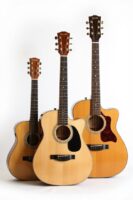

How do we guarantee our storage solutions meet the specific needs of our instruments? By meticulously calculating space measurements and engaging in thoughtful layout planning! First, we measure each instrument’s footprint, including a safety cushion, to avoid any contact with adjacent items. Then, we can estimate the total required space by multiplying the footprint by the number of similar-sized instruments.
Next, let’s explore effective grouping by size or height, starting with the tallest items. This allows us to fill vertical gaps smartly while maximizing storage efficiency. Additionally, considering instrument compatibility will ensure that our storage solutions are tailored to accommodate various types of instruments effectively. Finally, using compact, specialized cabinets can also help us store more instruments per square foot, leading to functional and organized spaces that cater to our entire collection’s unique needs.
Matching Storage to Different Instrument Types

When considering the right storage solutions for our instruments, it’s important to match the unique requirements of each type. For string instruments, padded racks and adjustable shelving protect delicate finishes while accommodating various sizes. Brass instruments thrive in solid door cabinets to safeguard against damage, ensuring we also consider ventilation options. Woodwinds need secure lockers with air circulation to prevent mold, matched with humidity-controlled cabinets for longevity. Percussion instruments benefit from rugged shelving and mobile carts for quick accessibility. By focusing on instrument compatibility, we can create spaces that also reflect our aesthetic considerations, ensuring our collections are well-organized while looking great, inviting creativity and harmony into our storied musical environments. Additionally, investing in durable materials for storage solutions can enhance their longevity and protect your instruments effectively.
Recommended Products

Heavy duty all welded 14 gauge steel
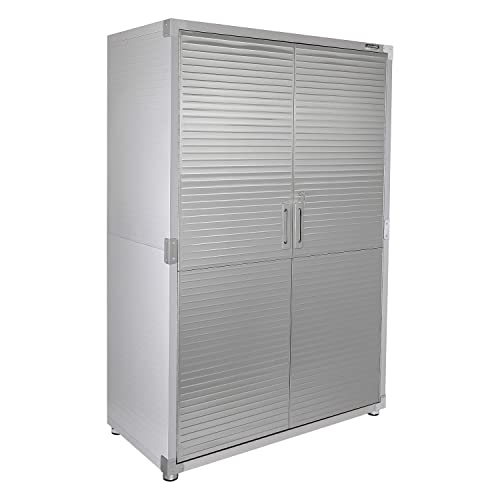
DIMENSIONS – 48” W x 24” D x 72” H (exterior); 46" W x 22.25" D x 67.75" H (interior).
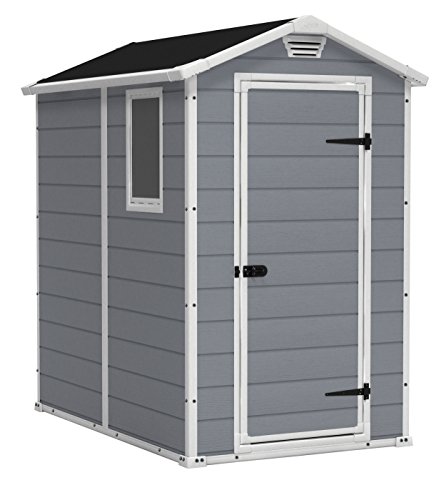
DIMENSIONS: Exterior: 51. 2 in. W x 75. 6 in. D x 78 in. H / Interior: 43. 7 in. W x 69. 7 in. D x 74. 8 in. H
Ensuring Security and Accessibility
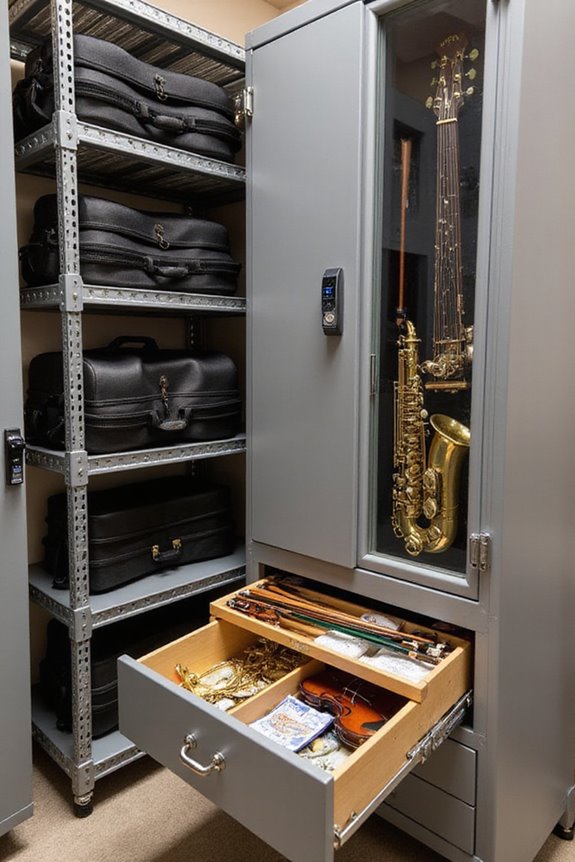
Ensuring security and accessibility in our instrument storage is essential for maintaining both the integrity of our instruments and the efficiency of our operations. We can start by implementing robust security protocols, such as using lockable storage units and monitoring access closely. Employing surveillance systems adds an extra layer of protection, while restricting access to trusted individuals helps minimize risks.
Additionally, we can enhance accessibility strategies by keeping instruments organized. Labeling storage compartments clearly and using an inventory system allows for quick retrieval. Arranging items based on usage frequency prevents unnecessary handling, ensuring their longevity. Regular audits and environmental monitoring maintain ideal conditions, safeguarding our instruments while making them easily accessible when needed. Together, we create an effective and secure storage solution. Moreover, considering durability and protection features when selecting storage units can significantly enhance the safety of our instruments during transit and storage.
Choosing Durable Materials for Storage Units

Choosing the right materials for our instrument storage units can considerably impact their durability and functionality. For example, steel construction not only offers high impact resistance but also stands up to the wear and tear of school environments. Laminated interiors provide easy cleaning, keeping our units looking great.
We should consider finish options like scratch-resistant laminate or powder-coating on steel for enhanced durability. UV-protective finishes are essential for safeguarding wood against fading. Additionally, ventilated metal lockers improve airflow, reducing humidity buildup that can harm our instruments. By selecting composite materials with sealed finishes, we guard our investments against dust and light damage, ultimately extending their lifespan. With smart choices in material durability, we can guarantee our instruments stay safe and sound. Furthermore, incorporating weather-resistant designs ensures that storage solutions can withstand various environmental conditions, further protecting our valuable instruments.
Recommended Products

52-INCH T-GLIDE FENCE ASSEMBLY: The 52-inch T-Glide Fence & Rail are made of heavy-gauge steel for sure lockdown and reliably square cutting for years without deflection.

Saw stop patented safety system - Stops a spinning blade on contact with skin. The blade stops in less than 5 milliseconds and drops below the table, minimizing a potentially life-altering injury to a mere scratch. Revolutionary SawStop safety system stops on contact with skin.

Leading manufacturer of high-quality tools
Exploring Modular and Scalable Storage Systems

Incorporating the right materials into our storage solutions was just the beginning; now we can explore how modular and scalable systems can enhance our instrument organization. Modular design allows us to customize our setups, adapting each component based on specific instrument types and sizes. With scalability options, we can expand our systems incrementally, adding or reconfiguring modules without the hassle of a complete overhaul. For example, adjustable shelving accommodates various instruments, while mobile carts support flexible access. Additionally, integrating technology, like inventory tracking software, guarantees we manage our instruments effectively. By opting for these modular and scalable solutions, we promote long-term productivity and maintain a sense of order—essential for a thriving workspace that meets our evolving needs. Moreover, incorporating multi-guitar stands can significantly improve organization and support for diverse instrument collections.
Recommended Products
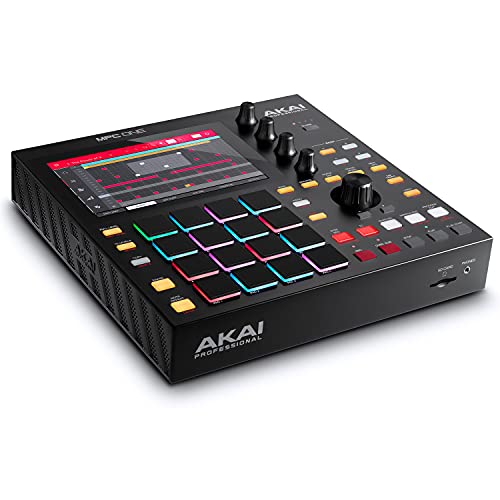
Beat Maker Essential - Standalone Mpc, Sampler, Drum Machine And Midi Controller (For The Included Mpc Software – Mac / Pc) With The Powerful Multicore System From The Mpc Live And Mpc X

Set Includes: 2x Multi-Use Lockers, 2x Rolling Tool Drawer Cabinets, 2x 2-Door Base Cabinets, 4x Wall Cabinets, 2x 48 In. Stainless Steel Worktops and 2x 48 In. Backsplash Kits

This package is a curated bundle of popular items frequently purchased together. It is not a complete, all-in-one solution. Depending on your specific setup, additional items or accessories may be required. Please review the included components carefully before purchasing.
Organizing Accessories and Small Equipment
When we think about organizing accessories and small equipment, it’s crucial to create a system that not only makes items easy to find but also enhances our overall workflow. We can start by categorizing items like cables, mouthpieces, and cleaning supplies into clearly labeled bins. This way, we reduce search time and keep similar tools together.
Using small parts organizers or stackable drawers maximizes our space. It’s also helpful to store frequently used items at eye level for convenience. For delicate accessories, like reeds and mutes, let’s invest in soft pouches or cushioned cases to guarantee their protection. By maintaining an updated inventory, we can avoid running low on essential items like cleaning supplies or strings when we need them most.
Recommended Products

Dimensions & Size: The storage unit has outside dimensions of 15" x 12 5/8" x 24" and interior dimensions at the bottom drawer of 12 1/2" x 10" x 7", providing ample space for your storage needs.
Evaluating Environmental Factors for Instrument Protection
Evaluating environmental factors is vital for the longevity and performance of our instruments. We must guarantee temperature stability by maintaining a consistent range of 60-70°F, avoiding drastic fluctuations. Effective humidity control is imperative, so keeping levels between 40-60% helps prevent wood from cracking and rust on metals. Protecting against light exposure is equally important; using hard cases that block UV rays can save our instruments from fading. Additionally, we should focus on air quality and dust protection, utilizing sealed storage options to keep dust and pests at bay. Finally, selecting a stable physical environment, free from vibrations and shocks, further safeguards our beloved instruments. By considering these factors, we enhance their durability and performance.
Customizing Storage Solutions for Unique Collections
Customizing storage solutions to fit unique instrument collections allows us to maximally protect and organize our valuable gear. With personalized compartments, we can design tailored spaces accommodating everything from delicate flutes to robust tubas. For instance, placing larger compartments lower helps reduce lifting strain, making it easier to access heavier brass instruments. Meanwhile, adjustable sizes guarantee we keep smaller gear safely stored up high, preventing damage. Security features like cubby door cabinets equipped with locks enhance peace of mind, guarding against theft and unauthorized access. Utilizing durable materials, such as water-resistant laminates, guarantees our setups withstand daily use. Ultimately, combining modular designs with diverse storage types offers the flexibility we need to adapt as our collections evolve.
Frequently Asked Questions
What Are the Benefits of Vertical Storage for Instruments?
When we organized our studio using vertical storage, we found incredible space efficiency. Instruments hung beautifully, reducing clutter and keeping our gear safe. This vertical organization not only protected our instruments but also made them easily accessible and visually appealing.
How Can I Measure for a Custom Storage Solution?
To measure for a custom storage solution, we’ll take precise custom measurements of our space and instruments. By noting storage dimensions carefully, we’ll guarantee a perfect fit that meets our needs while creating a welcoming environment.
What Types of Humidity Control Are Most Effective?
Think of our instruments as delicate flowers; proper humidity regulation is essential for their preservation. By utilizing hygrometers and case humidifiers, we create a nurturing environment, ensuring our cherished instruments flourish together, safe from harmful extremes.
How Can I Ensure Easy Access to Gear for Students?
To guarantee easy access to gear for students, we should prioritize student organization and gear visibility by creating labeled compartments and open shelves, making retrieval simple and enhancing each student’s connection to the instruments they use.
What Are the Costs Associated With Customized Storage Solutions?
As we explore custom storage pricing, envision a world where our instruments rest in tailored cabinets. Material selection options, from durable woods to sleek metals, shape our ensemble’s harmony, ensuring we create a space that truly belongs.