As an Amazon Associate, we earn from qualifying purchases. Some links on this site are affiliate links at no extra cost to you. Our recommendations are based on thorough research and editorial judgment.

What Are The Best Audio Equipment Options For Basements?

When setting up audio equipment for our basements, we recommend in-ceiling or bookshelf speakers for enhanced sound without clutter. To boost bass, consider wireless subwoofers, which are flexible and can fit tight spaces. It’s essential to use quality receivers, ideally supporting Dolby Atmos, while ensuring proper wiring and installation for an immersive experience. Don’t overlook acoustic challenges like echoes; adding carpets can help. Let’s explore more options to create that perfect sound environment together.
Key Takeaways
- Opt for in-ceiling or in-wall speakers for clean aesthetics and solid sound dispersion in basements.
- Include a wireless subwoofer for flexible placement and enhanced bass response without clutter.
- Choose a surround sound system with advanced audio formats like Dolby Atmos for an immersive cinematic experience.
- Use acoustic treatments, like carpets and wall panels, to mitigate echoes from concrete surfaces and low ceilings.
- Ensure the receiver has multiple channels and ample HDMI inputs to accommodate future upgrades and advanced setups.
Considerations for Speaker Types in Basements
You may be interested

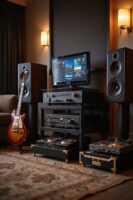
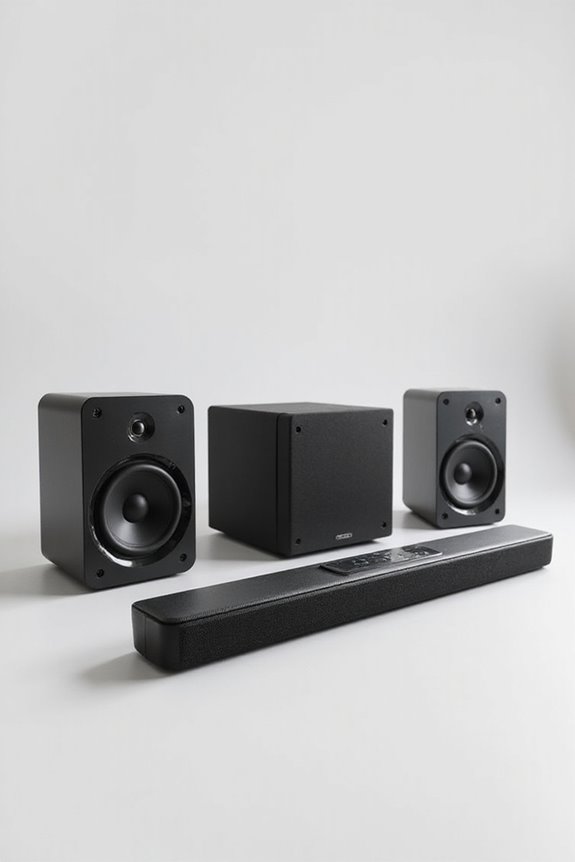
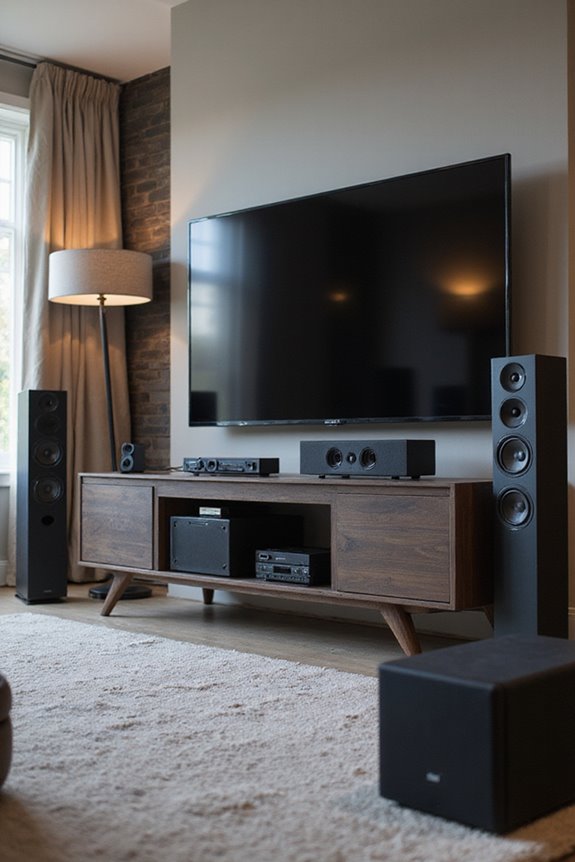
When choosing speakers for our basements, it’s essential to reflect on how both placement and type impact sound quality and aesthetics. For a clean look, in-ceiling or in-wall speakers provide solid sound dispersion, especially in lower ceilings. If flexibility is key, freestanding bookshelf speakers can deliver excellent bass response and warmth when there’s space. Soundbars, particularly with wireless satellites, enhance speaker performance without cluttering our area. It’s also wise to take into account moisture-resistant options if our basements are prone to humidity. Ultimately, selecting the right speakers not only boosts the audio experience but also complements our unique space, helping us create a welcoming environment for friends and family to enjoy together. Additionally, considering surround sound setups can significantly elevate the cinematic experience in basement spaces.
Enhancing Bass With Subwoofers

Enhancing the bass in our basements can truly elevate our audio experience, especially during movie nights or jam sessions. To set up our subwoofers effectively, let’s avoid corners, positioning them 12 to 18 inches from walls for that crisp bass response. Using the “subwoofer crawl” method helps us find the sweet spots for ideal bass placement.
Additionally, placing bass traps in strategic spots can help minimize those pesky standing waves that muddle our sound. Rearranging furniture can also break up reflections, improving clarity. If space is tight, consider wireless subwoofers, which offer greater flexibility. Together, these techniques can transform our basements into a dynamic audio haven, making music and movies far more enjoyable. For optimal audio performance, consider investing in surround sound configurations that enhance spatial audio and overall immersion.
Recommended Products
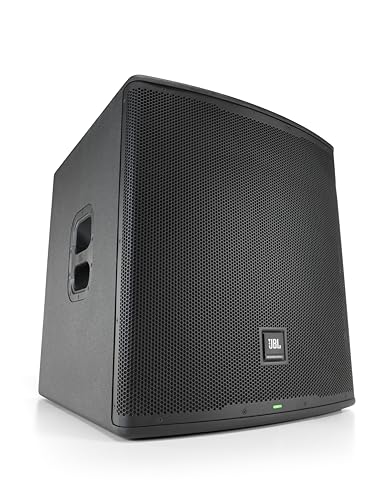
Iconic Acoustics, Superior Sound - The EON718S produces smooth, natural bass down to 31 Hz, thanks to an engineered acoustic package with a completely redesigned woofer and 1,500 watts of ultra-efficient amplification.

LOWEST EVER, WHILE SUPPLIES LAST @ $999 (save $900). Meet the Dolby Atmos soundbar trusted by thousands of verified owners. Built on 70+ years of audio expertise, it delivers lifelike 360° surround and deep room filling bass. Next level plug and play performance made simple.

MAKE EVERY MOMENT BIGGER: This is deep bass at its boldest and most immersive. CleanBass Technology eliminates resonance issues for clear, impactful bass at any volume. Perfect for home audio, surround sound, and home theater systems.
Wiring and Installation Tips for Optimal Audio
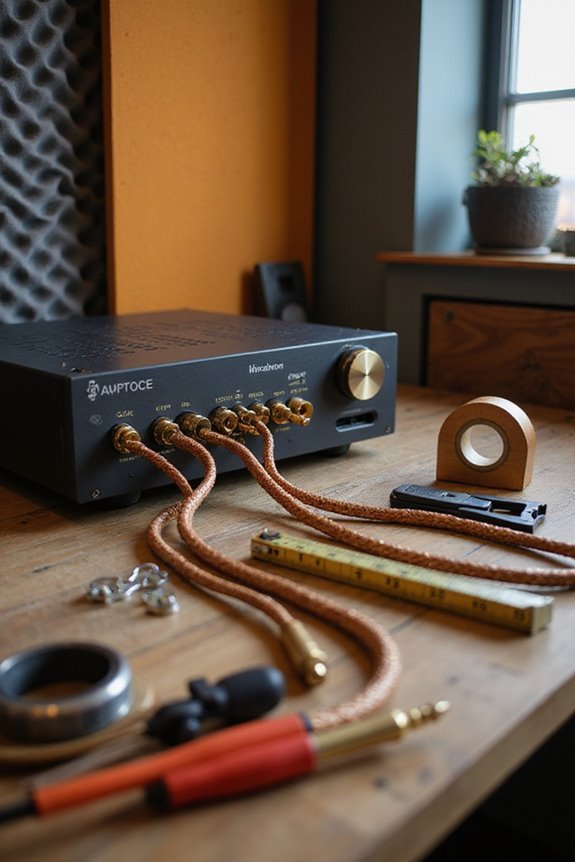
Setting up audio equipment in our basements can greatly influence our listening experience, so getting the wiring right is crucial. First, let’s map our wiring routes carefully—this means measuring and marking locations for speakers and equipment. We should use proper installation tools, like a stud finder and fish rods, to guarantee precise cuts and wire runs. It’s essential to run separate speaker wires from the receiver to each speaker; this will keep our sound crisp and clear. Additionally, we must protect our wiring with electrical tape and nail plates. Remember to label the wires at both ends to ease troubleshooting later. By using these wiring techniques, we’ll create a fantastic audio setup that truly resonates! Furthermore, ensuring that our setup supports advanced audio formats like Dolby Atmos can enhance our overall listening experience.
Recommended Products
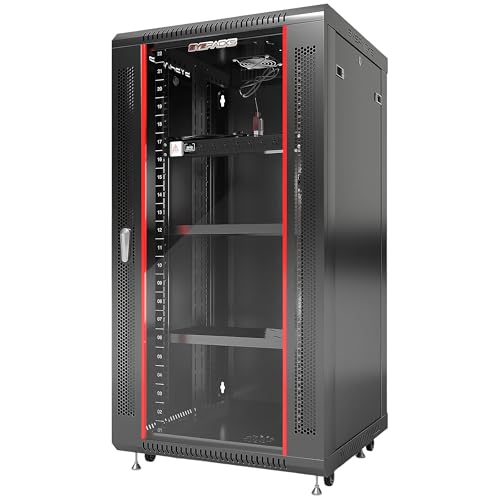
WALL-MOUNT ENCLOSED 19” RACK – 22U wall mount server cabinet designed for network, AV, security and IT equipment installations while saving valuable floor space.

🔌𝐆𝐅𝐂𝐈 𝐎𝐮𝐭𝐥𝐞𝐭 𝐰𝐢𝐭𝐡 𝟐 𝐔𝐒𝐁 𝐏𝐨𝐫𝐭𝐬: Ground Fault Circuit Interrupters with Dual USB Ports (Type-A + Type-C) – Supports USB charging for all devices. The package comes with 20 pack 20 A outlets, perfect for covering multi-room or multi-scene use. Say goodbye to bulky chargers and power your smartphone, tablet, earbuds, and more with ease

12 inches long throw cerametallic woofer
Choosing the Right Home Theater Receiver

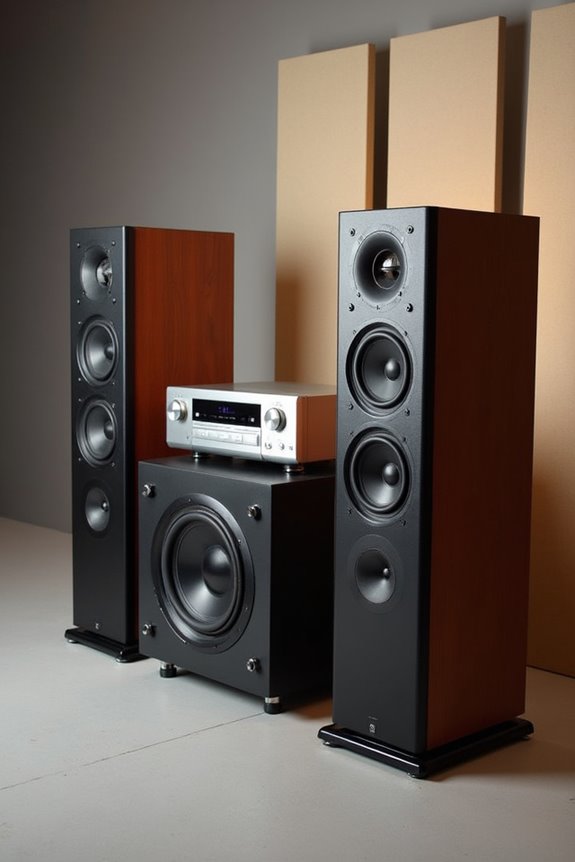
Choosing the right home theater receiver can greatly elevate our basement audio experience, making it vital to understand the options available. We should look for receiver features like multiple channels—ranging from 5 to 15—to guarantee adequate speaker support for immersive sound. Models with Dolby Atmos or DTS:X will enhance our auditory enjoyment with 3D sound effects.
Don’t forget the importance of audio calibration! Built-in tools can optimize sound quality to fit our specific basement layout, while customizable setups let us position speakers perfectly. Connectivity options, especially HDMI inputs, are essential for future-proofing our setup. By prioritizing these aspects, we’ll create an audio environment that not only meets our needs but also delights us and our guests. Additionally, ensure that the receiver supports advanced audio formats to maximize your listening experience.
Recommended Products

HOME THEATER RECEIVER - Denon's AVR-A10H AV Receiver (150W X 13) powers up to 13 speakers & 4 independent subwoofers as a home audio amplifier; has immersive audio with Dolby Atmos, DTS:X Pro & more along with stunning 8K visuals for movies & games

POWERFUL 13.2 CHANNEL PRE-AMPLIFIER - Enjoy the ultimate cinematic experience & lag-free gaming with pristine visuals in latest 8K UHD format with advanced 8K HDMI upscaling, latest technologies like HLG, Dynamic HDR, HDR10, HDR10+, QFT, QMS, VRR & ALLM

Direct energy amplification at 120W Channel (8 ohms, 20 Hz-20 kHz, THD 0. 08 %, 2Ch Driven, FTC)/ 230 W/Ch. (6 ohms, 1 kHz, THD 10 %, 1Ch Driven)
Acoustic Challenges Unique to Basements
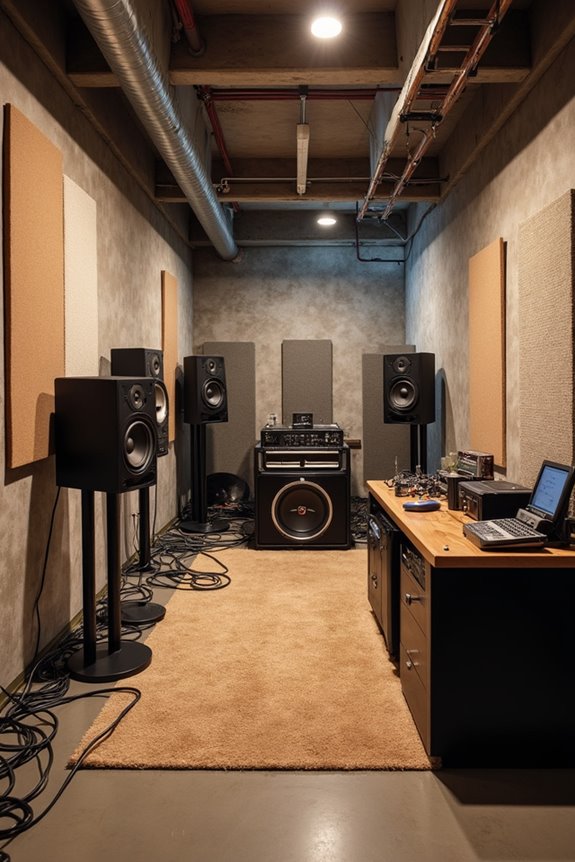
When we immerse ourselves in the audio experience of our basements, we quickly realize that the unique acoustic challenges can greatly impact sound quality. Low ceilings and concrete floors create strong sound reflections that can muddle our audio clarity. For instance, untreated concrete surfaces may cause echoes that distort our favorite tracks. Identifying early reflection points with a mirror test helps us know where to place acoustic panels, absorbing those disruptive sounds. Adding carpets with underlayment also aids in reducing floor reflections without compromising ceiling height. However, we must strike a balance—over-absorption can lead to a lifeless room. Combining absorbers and diffusers guarantees lively room acoustics, keeping our audio experience vibrant and enjoyable in our cherished basement spaces. Additionally, investing in a surround sound system can significantly enhance the overall audio experience by providing immersive sound quality that complements the unique characteristics of basement acoustics.
In-Wall and In-Ceiling Speaker Options
In any basement audio setup, selecting the right in-wall and in-ceiling speakers is vital for achieving ideal sound quality while maximizing space. When choosing in-wall speakers, we should make sure they are moisture-resistant, especially in basements. Placement is important too; we’ll use stud finders and drill pilot holes to guarantee accuracy before making any cuts. For in-ceiling speakers, consider the ceiling height and cavity size to avoid sound issues. We can improve acoustic performance by installing speakers in protective enclosures if needed. Additionally, routing our wiring strategically to a central location, like a media rack, can enhance sound control. With thoughtful planning and careful installations, we’ll create a cohesive audio experience that fits seamlessly into our basement’s environment.
Recommended Products

140-inch Diagonal, 68.8-inch H x 166.0-inch W Viewing Size, 16:9 HD Format Aspect Ratio with a 6-inch Black Masking Drop in a White Finish Case/Housing.

Dual-Function Elegance: Seamlessly transitions from a stunning 4K UHD Smart TV to a high-clarity decorative mirror with an elegant black frame when powered off, perfect for any modern living room, bedroom, bathroom, or hotel suite.
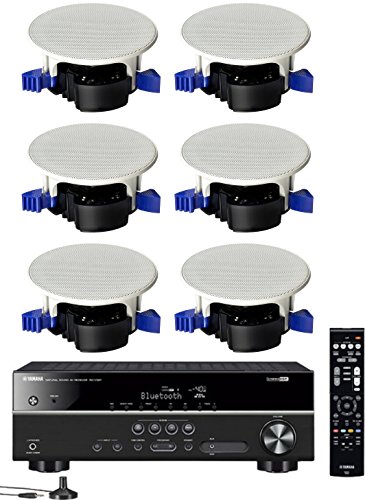
Compact and powerful - Enhance your TV experience with rich, dynamic sound of the Yamaha 5.1 Channel Built In Surround Sound Multimedia Home Theater Speaker System
Recommendations for Wireless Speaker Systems
As we explore recommendations for wireless speaker systems, it’s essential to reflect on how they can enhance our basement audio experience. Wireless speakers eliminate complex wiring, allowing us to install them with ease. For those who enjoy flexible layouts, models like the Sonos Arc Ultra provide fantastic wireless streaming and seamless multiroom audio capabilities. The JBL Bar 1300X offers an incredibly simple setup for those prioritizing convenience. If we’re after deep bass, Nakamichi’s Dragon system will impress with its premium audio fidelity. For audiophiles, the Bluesound PULSE delivers high-quality sound, perfect for music lovers. Whether creating a home theater or a workout space, choosing the right wireless system elevates our audio enjoyment without compromising on style or functionality.
Recommended Products

MOTORIZED LIFT CABINET WITH LED & WINE STORAGE: This sectional features a built-in motorized lift cabinet with LED ambient lighting, acrylic wine rack, and cup holders. It elevates smoothly to keep drinks and glassware within easy reach during movie nights, eliminating clutter in your living room

STELLAR SOUND AND POWERFUL SPEAKER: The Proreck PR-208AP Powered Array Speaker delivers exceptional sound quality with two 8" woofers and a 3" Ferrite for superior audio performance. Its built-in Class-D amplifier provides 4000W P.M.P.O, creating an immersive listening experience.
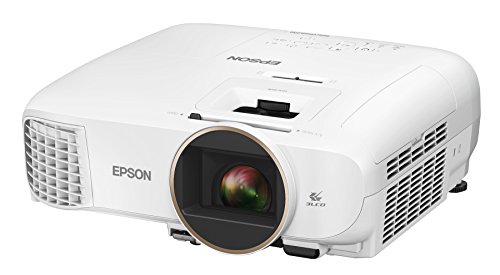
Bright ideal for a variety of lighting conditions, the projector has 2,500 lumens of equal color and white brightness (1)
Best Brands for Basement Audio Systems
A solid audio experience in our basements hinges on choosing reliable brands that specialize in quality sound systems. When we explore audio brand comparisons, Polk Audio often shines for reliable home theater setups, delivering great sound without needing high-end models. Klipsch offers durable and high-performing equipment, perfect for larger spaces with its impressive dynamic range. For enthusiasts, ELAC’s speakers are a go-to choice for sound quality. If we’re going premium, Definitive Technology’s 5.1 systems provide immersive experiences. Meanwhile, Sonance’s in-wall and in-ceiling options blend seamlessly into our basements, ensuring excellent sound without clutter. Each brand excels in speaker performance analysis, helping us tailor the best audio solution for our unique spaces.
User Feedback on Popular Audio Equipment
User feedback on popular audio equipment often reveals critical insights that can shape our purchasing decisions. For instance, the Samsung HW-C400 Soundbar, with a solid 4.3/5 rating from 863 users, is praised for its impressive sound quality, making it a perfect fit for any basement. Surround sound systems boast an even higher average of 4.7/5 stars, highlighting their reliability for daily use. Users consistently commend the balance between bass and clarity in compact systems, ideal for our multipurpose spaces. Additionally, outdoor small speakers receive accolades for their powerful bass performance and easy installation. Overall, tapping into user ratings helps us identify equipment that enhances our audio experience, ensuring we pick the right gear for our basements.
Budgeting for Your Basement Home Theater Setup
When planning our basement home theater setup, it’s vital to establish a clear budget that aligns with our audio and visual goals. We should start by defining our budget allocation, recognizing that entry-level setups often cost between $5,000 and $10,000. Prioritizing essential components like speakers and receivers helps us guarantee quality where it counts.
To maximize our investment, we can explore cost-saving strategies like purchasing lightly used equipment or opting for last-generation models. Setting aside about 20% of our budget for unexpected expenses is smart too. By adhering strictly to our budget, we can enjoy an immersive home theater experience that reflects our unique style without breaking the bank.
Frequently Asked Questions
How Do I Choose Speakers Based on My Basement’s Size?
When choosing speakers for our basement, we should consider room size and speaker placement. Let’s conduct sound testing to find the best fit, ensuring the audio experience feels immersive and welcoming for everyone.
Can I Integrate My Audio System With My Smart Home Devices?
When we set up a friend’s audio system with smart speakers, we discovered their audio compatibility with Amazon Alexa was seamless. Integrating our controls felt like uniting our home tech for an enhanced living experience.
What Are the Differences Between Wired and Wireless Audio Systems?
When we compare wired advantages to wireless flexibility, we see that wired systems deliver superior sound quality, while wireless offers convenience and easy placement. Ultimately, our choice depends on our unique needs and preferences.
How Can I Improve Outdoor Sound Quality Around My Basement?
To enhance outdoor sound quality around our basement, we’ve strategically placed sound barriers like dense hedges, creating a cozy space. Investing in outdoor acoustics helps us enjoy gatherings without pesky echoes disrupting our connections.
What Maintenance Is Required for My Audio Equipment?
When maintaining our audio equipment, we should prioritize regular audio cleaning and proper equipment storage. Let’s keep everything dust-free, organized, and in ideal conditions together, ensuring an impressive sound experience for all our gatherings.