As an Amazon Associate, we earn from qualifying purchases. Some links on this site are affiliate links at no extra cost to you. Our recommendations are based on thorough research and editorial judgment.


Which Guitar Polish Is Safe For Different Finishes?

When choosing guitar polish, it’s essential to match it with your finish type. For nitrocellulose lacquer, use gentle products labeled specifically for it. Polyester or polyurethane finishes thrive with specialized polishes designed for durability and shine. If you have a French polish, opt for very mild, non-abrasive compounds. Always avoid silicone and harsh chemicals. By selecting the right polish, we can maintain our guitars’ aesthetics and longevity. Stick with us and discover more maintenance tips!
Key Takeaways
- Use specialized or water-based polishes for poly finishes; avoid silicone-based products to maintain integrity.
- Select gentle, labeled products designed for nitrocellulose lacquer to prevent damage and enhance the finish.
- Employ non-abrasive agents like high-quality waxes for shellac finishes to avoid scratching.
- For satin and matte finishes, choose gentle cleansers that do not enhance gloss to maintain appearance.
- Nourishing oils or light waxes are ideal for oil finishes to prevent buildup and preserve wood.
Understanding Different Guitar Finishes
You may be interested


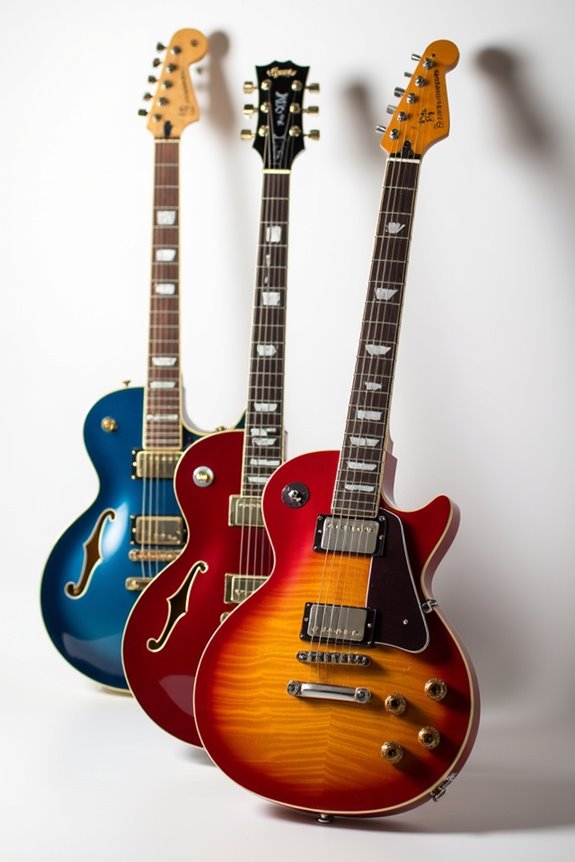
When we think about guitar finishes, it’s important to recognize they can greatly influence both the instrument’s aesthetics and sound quality. There are several guitar finish types to evaluate: hand-rubbed natural finishes enhance the wood’s beauty, while hand-rubbed stains add color and showcase grain. Solid color finishes offer uniformity but often mask the wood’s character. Nitrocellulose lacquer, though traditional, ages with visible cracking and yellowing due to environmental factors. In contrast, polyurethane and polyester finishes are modern and durable, providing long-lasting gloss without significant aging effects. Each finish type has its unique benefits, so understanding these differences is essential for us as players and caretakers to choose what’s best for our guitars and their future. Additionally, built-in effects can enhance the overall sound quality of guitars with various finishes.
Compatibility of Polishes With Various Finishes

Understanding the compatibility of polishes with various guitar finishes is essential for proper instrument care. Different polish types react uniquely with finishes, affecting both appearance and longevity. For poly finishes, we can safely use specialized polishes or water-based options but should steer clear of those containing silicone. Nitrocellulose lacquer, being more sensitive, demands gentler products specifically labeled for it. Shellac finishes require non-abrasive agents like high-quality waxes. Meanwhile, satin and matte finishes thrive on gentle cleansers that won’t add gloss. If we’re maintaining oil finishes, sticking to nourishing oils or light waxes is best to avoid residue. By knowing these compatibility guidelines, we can guarantee our guitars look great and stay protected for years. Regular maintenance using comprehensive care components ensures optimal performance across different instrument types.
Recommended Products

The W800 guitar uses the GTRS G100 intelligent system, with a variety of built-in effects. The GTRS APP software works with to give you more inspiration to create. (Intelligent system can be turned on or off)

Everything you need to complete your instrument project with a professional-looking finish - all in one box
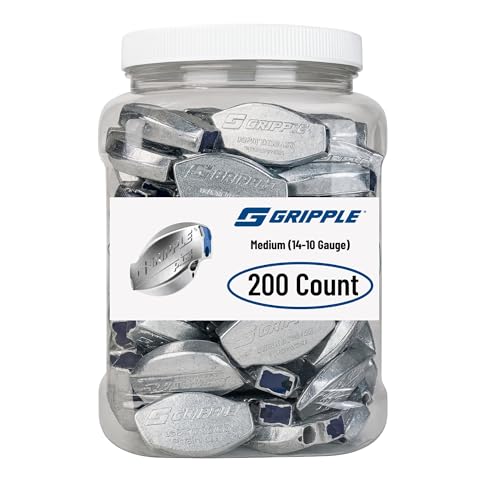
JOIN & TENSION IN ONE STEP: Streamline your fencing projects with the Gripple wire joiner—designed to both join and tension wire in a single step. Eliminate time-consuming knots and ties while securing 10–14 SWG (Standard Wire Gauge) plain or electric wire.
Polishing Techniques for French Polish Finishes

Polishing techniques for French polish finishes can make a significant difference in maintaining the beauty and integrity of your instrument. We should use very mild, non-abrasive polishing compounds specifically made for French polish. Soft cotton or microfiber cloths are our best friends as polishing tools, ensuring we don’t scratch the delicate surface.
When applying polish, a gentle, circular motion is key. We want to avoid removing or thinning the shellac layer, so light rubbing is essential. Remember, multiple thin coats of shellac with light polishing create that stunning gloss we all admire. Protecting our instrument from heat and moisture is critical, ensuring the finish remains intact for years to come. Let’s take pride in our care! Additionally, using a hard case can further shield your instrument from environmental threats and maintain the finish.
Recommended Products
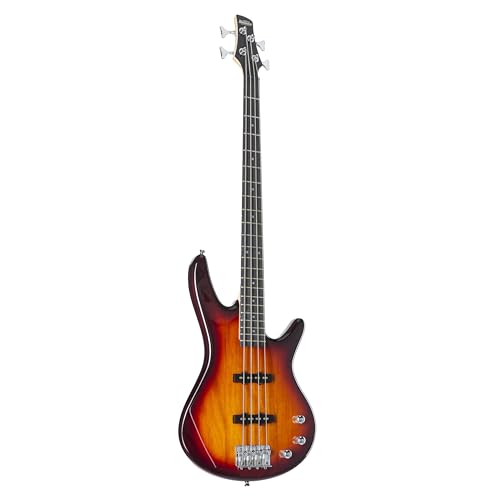
Best in class: GSR Series 4 String Electric Bass Guitar from the world leading Ibanez brand / Ibanez renowned quality, playability and craftsmanship.


ROASTED MAPLE STRATOCASTER NECK: The Fender Roasted Strat neck is a 1-piece maple neck with a modern "C" shape. Resistant to humidity shifts and featuring a gorgeous, dark look, roasted necks have more sustain and add a unique note to the instrument's voice
Safe Practices for Nitrocellulose Lacquer Finishes

Creating a safe environment for working with nitrocellulose lacquer finishes is essential for both personal health and the integrity of our instruments. When tackling nitrocellulose care, we need to prioritize proper ventilation and use respiratory protection. As we apply and polish these finishes, gentle techniques with soft, lint-free cloths keep our instruments pristine while avoiding damage.
Equally important is understanding how to protect the finish’s longevity. We should pick polishing agents specifically made for nitrocellulose, steering clear of harsh chemicals that may harm the lacquer. By storing our guitars away from strong sunlight and extreme temperatures, we can greatly minimize yellowing and checking, ensuring our finishes remain as beautiful as the day we first played them. Regular maintenance with the right guitar polish spray can enhance the appearance and longevity of your instrument.
Recommended Products

Handmade in Northern Ireland using Solid Mahogany

Handmade in Northern Ireland using Cherry Hardwood

High Solids & Self Leveling
Caring for Polyester and Polyurethane Finishes

When it comes to caring for polyester and polyurethane finishes, we recognize the importance of using the right techniques and products to maintain their durability and shine. These finishes are tough and create a glossy look that we love in our guitars. To keep that gloss, we need to use specialized polishes like “Super Star Guitar Polish” or MusicNomad’s “Pro Strength Guitar Polish,” which are safe for regular use. For ideal polish longevity, we should aim for routine maintenance every few weeks. Using soft, lint-free microfiber cloths helps avoid scratches, making our guitars look fresh. Let’s also remember that while waxing can add shine, it isn’t necessary if we polish regularly. Keeping up with these practices guarantees our guitars continue to shine beautifully. Additionally, using a hard-shell case can provide optimal protection for our instrument while we maintain its finish.
Recommended Products

Rock Star Style: Turn heads with this sleek, guitar-shaped handbag featuring sparkly silver detailing, a bold silhouette, and a stylish crossbody strap—perfect for music lovers, trendsetters, and anyone ready to make a statement

COMPLETE 3-STEP SYSTEM: Includes Medium, Fine, and Swirl Remover for a flawless, high-gloss finish on instrument surfaces

TRADITIONAL GLOSS FINISH: A classic high-gloss nitrocellulose lacquer finish trusted by luthiers and guitar techs
Choosing the Right Guitar Polish
To guarantee our guitars remain in top condition, selecting the right polish is essential, especially considering the variety of finishes available. For instance, if we’re working with a French polish, we should stick to gentle, non-abrasive products to avoid damage. Nitrocellulose lacquer requires specific polish types marked safe for its delicate nature; otherwise, we risk streaking or degradation. When it comes to varnish, testing any polish on a small area beforehand is a wise precaution to assure compatibility. For metallic finishes, we must use polishes that won’t dull those reflective flakes. Ultimately, by understanding polish types and their impact on finish protection, we can keep our guitars looking and performing their best.
Recommended Products

WIZARD III NECK: The Ibanez JEM features a slim and fast Wizard III maple neck with a 24-fret Jatoba fretboard, offering smooth playability and a wide tonal range ideal for technical and expressive playing

MAPLE NECK: The Ibanez RG Gio features a stable Maple neck that delivers bright tonal character and solid playability across all styles

MADE IN USA - Wisconsin-crafted metal polish paste for SOLID chrome, stainless steel, aluminum, brass, copper, silver & nickel. NOT for chrome-plated or coated items. Removes light tarnish, oxidation & surface rust only. Manual buffing required — not spray-and-wipe
General Tips for Polishing Guitar Finishes
Polishing our guitars not only enhances their appearance but also preserves their finishes, ensuring longevity and ideal performance. Start with cleaning tools like a slightly damp microfiber cloth to remove dust, preventing scratches before polish application. We should check the polish frequency, opting for regular cleaning rather than excessive polishing. For delicate finishes like French polish or nitrocellulose, it’s essential to apply polish lightly, testing on an inconspicuous area first. Avoid abrasive materials and household cleaners, since they can damage our instruments. Instead, look for polishes containing pure carnauba wax, which are gentle and safe. By following these practices, we’ll maintain our guitars beautifully while ensuring they sound their best for years to come.
Frequently Asked Questions
Can I Use Automotive Polish on My Guitar?
Using automotive polish on our guitars isn’t safe. It could damage delicate finishes, especially nitrocellulose. We should always prioritize guitar safety by choosing products specifically designed for our instrument’s unique needs and finishes.
How Often Should I Polish My Guitar?
When it comes to polishing frequency, we recommend finding a balance in our guitar maintenance routine. Regular cleaning might be more beneficial than polishing to keep our instruments looking great without risking damage to the finish.
Can Humidity Affect My Guitar Finish?
They say, “A stitch in time saves nine.” We’ve noticed humidity effects can harm our guitar’s finish preservation. Keeping an eye on humidity levels helps us protect our instruments and maintain their beauty and playability together.
Is It Safe to Use Microfiber Cloths for Polishing?
When we’re polishing our guitars, using microfiber cloths is definitely safe. They offer incredible benefits, like being non-abrasive and highly absorbent. Let’s adopt effective polishing techniques together, ensuring our instruments stay in pristine condition.
What Should I Do if My Polish Streaks?
If we’re facing polish streaks, we can try gentle streak removal techniques, apply polish carefully, use clean microfiber cloths, and guarantee even coverage. Together, we’ll achieve that flawless finish our guitars deserve!