As an Amazon Associate, we earn from qualifying purchases. Some links on this site are affiliate links at no extra cost to you. Our recommendations are based on thorough research and editorial judgment.

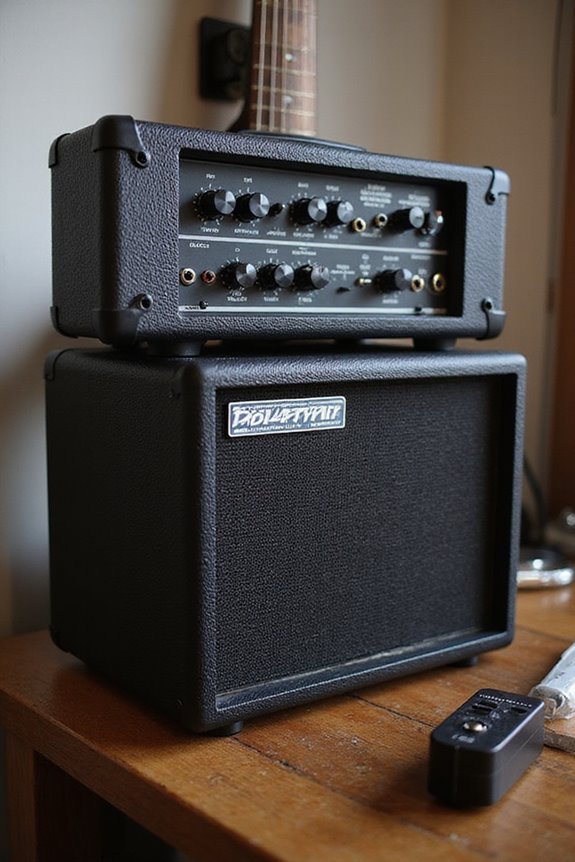
Which Guitar Amplifier Is Best For Beginners?

When choosing the best guitar amplifier for beginners, we recommend looking for lightweight, solid-state models like the Fender Frontman 10G or the versatile Boss Katana Mini X10W. These amps range from 10 to 50 watts, perfect for home practice and small gigs. They include essential features like headphone outputs for silent sessions and built-in effects to enhance your playing. Still, there’s more to discover about amp types and how to make an informed choice.
Key Takeaways
- Choose a solid-state practice amp under $200 for affordable, reliable sound ideal for beginners.
- Look for 10 to 50 watts of power for balanced volume, suitable for home and small gigs.
- Select amplifiers with built-in effects and headphone outputs for versatile and quiet practice.
- Consider lightweight and user-friendly designs to enhance portability and ease of use.
- Recommended models include Fender Frontman 10G, Boss Katana Mini, and Fender Mustang LT25 for various genres.
Understanding Different Types of Guitar Amplifiers
You may be interested

When it comes to choosing a guitar amplifier, we’ve got a range of options that cater to different playing styles and needs, and understanding these types is essential for any beginner.
First up, tube amplifiers offer rich, warm tones beloved by many blues and rock players, but they require amp maintenance like tube replacement. Solid-state amps provide clean sound, are lighter, and generally need less upkeep, perfect for those just starting out. If versatility’s your vibe, modeling amps emulate various styles all in one unit, while hybrid amps combine tube warmth with solid-state reliability. By considering our sound preferences and maintenance willingness, we can confidently select an amp that supports our journey in music, whether we’re practicing at home or tearing it up on stage. Additionally, power output considerations are crucial as they affect volume and tonal quality, helping us choose the right amp for our specific needs.
Key Features to Look For in Beginner Amps

Next, consider power features like wattage between 10 to 50 watts, ensuring balance between volume and portability. Heavy-duty yet lightweight designs are beneficial for ease of transport. Additionally, built-in effects, footswitch compatibility, and headphone outputs enhance our practice sessions without disturbing others. By focusing on these features, we can choose an amp that supports our journey as musicians. Furthermore, amplifiers with multiple sound channels allow for customizable tone options to match our unique playing styles.
Recommended Products

MODERN TECHNOLOGY: The Tone Master Super Reverb features the most powerful convolution-based technologies designed to recreate the famous Fender classic reverb and tremolo effects

Everything You Need - 88 full-sized keys with velocity sensitivity and adjustable touch response, 3 pedals (sustain, soft, sostenuto), easy-to-assemble wooden stand with music rest and an adjustable piano bench.

88-key Digital Ensemble Piano with Hammer Action
Budgeting for Your First Guitar Amplifier
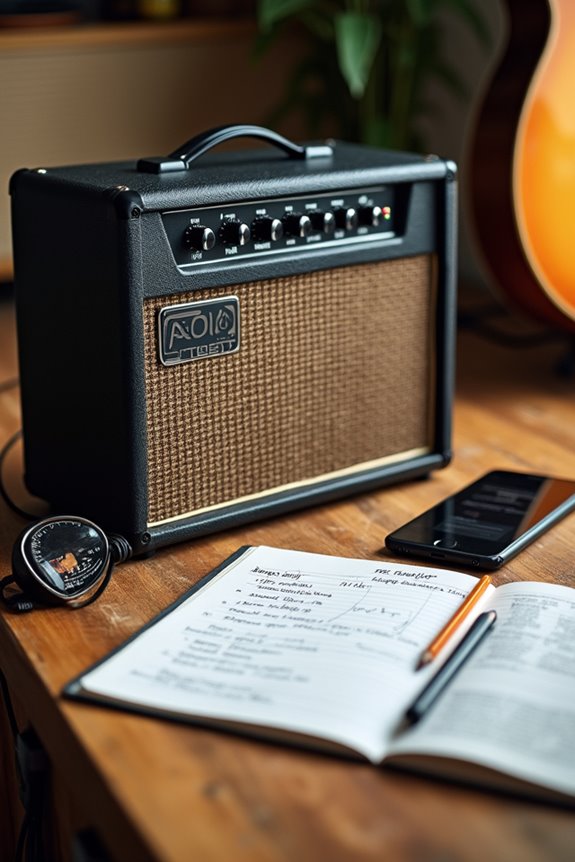
How do we effectively budget for our first guitar amplifier? Start by understanding our budget deliberations, which often range from $50 to $3000, depending on the type of amp. A basic solid-state practice amp under $200 can be perfect for solo practice. If we aspire to jam with others, it’s wise to weigh options above $300 for better sound quality.
Next, let’s look at a cost breakdown of accessories, like cables and stands, which might add $10 to $200 to our total. Planning for these expenses early can help us avoid surprises. By aligning our amp choice with our commitment level and expected usage, we can make an informed choice that enhances our learning experience. Additionally, considering the wattage needed for live performances can help ensure your amplifier meets your future jamming needs.
Recommended Products

Expore bass tones from classic gritty growl to slap-worthy modern punch with the newly-developed overdrive circuit and switchable contour controls
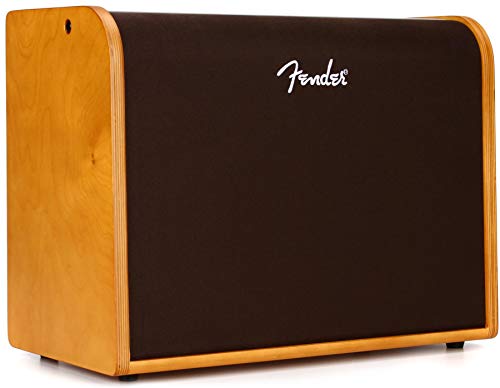
The Fender Acoustic Guitar Amplifier features 100 Watts, 14Hx18.5Wx9.25D inches

POWERFUL 100-WATT BAND-READY AMP: Two-channel combo with dual 12" Fender Special Design speakers delivers stage-filling volume and clarity for serious gigging
Recommended Models for Various Playing Styles
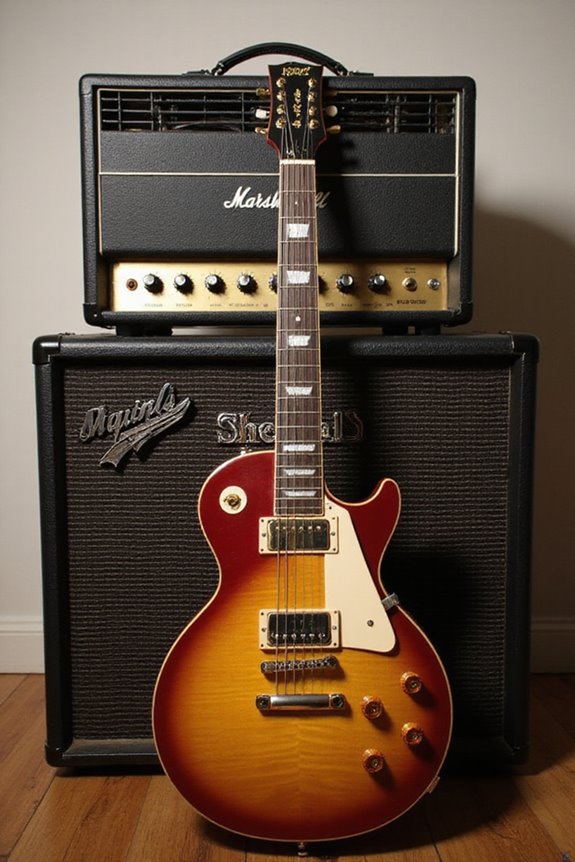
Finding the right guitar amplifier can greatly enhance our playing experience, especially as beginners exploring various musical styles. When considering amp comparisons, we’ll find that some models shine for specific genres. For rock and metal, we recommend the Marshall Origin 5C for its vintage tones, alongside the versatile Boss Katana Mini X10W for practice and small gigs. Blues and jazz players will appreciate the warm tones of the Fender ’65 Deluxe Reverb and the Vox AC15 C1’s smooth overdrive. If we lean toward funk and pop, the Fender Mustang LT25 offers excellent clean tones, while country and folk musicians might find the Fender Frontman 10G perfect for simple, clean rhythms. These choices truly reflect genre suitability, ensuring everyone feels at home with their sound. Additionally, selecting an amplifier based on power output requirements can significantly influence its performance for different playing scenarios.
Recommended Products


All-tube design: Three 12AX7 tubes drive the preamp section, while two pairs of EL84 tubes generate 30-watts of pro output power.
Solid-State vs. Tube vs. Modeling Amps

When we explore the world of guitar amplifiers, understanding the differences between solid-state, tube, and modeling amps can streamline our decision-making process. Each type caters to distinct tone preferences and maintenance considerations.
Tube amps, known for their warm, rich tones, often require regular upkeep, making them a higher initial investment. In contrast, solid-state amps provide reliability and consistent sound at a lower price, perfect for those on a budget. They’re less expressive but great for beginners. Modeling amps are exceptionally versatile, offering countless tonal options and built-in effects, making practice more fun. For newcomers, considering each amp’s sound quality, maintenance needs, and budget helps us choose the right fit, ensuring our guitar journey begins on the right note. Additionally, many amps include built-in effects that cater to different playing styles, enhancing the overall experience.
Recommended Products

One (1) Tone Master Twin Reverb guitar amplifier and one (1) amperstand guitar cradle

61-key Synth Workstation with Synth-action Keybed

GOLDEN TONES: Classic warm tube tone provided by the EL84 power tubes and 12ax7 pre-amp tubes.
Importance of Portability and Ease of Use
Even though we might be enthusiastic to plunge into our guitar journey, the importance of portability and ease of use becomes immediately apparent. For us beginners, lightweight amps like the Fender Mustang Micro offer portability benefits, allowing us to practice anywhere without the hassle of heavy gear. Battery-powered options open even more doors, giving us the freedom to jam at friends’ houses or small gigs. User-friendly controls, such as simple volume and tone knobs, prevent us from feeling overwhelmed. Brands like Vox emphasize plug-and-play functionality, letting us focus on playing rather than fiddling with complex settings. Ultimately, these features enrich our learning experience, encouraging regular practice and seamless shifts between home and social settings.
Enhancing Your Practice With Built-In Effects
How can built-in effects elevate our practice sessions and inspire creativity? Beginner amps like the Line 6 Spider V120 and Fender Mustang LT25 offer extensive built-in effects for tonal exploration without needing extra pedals. These effects—such as reverb, delay, and distortion—add depth and texture, making our practice more engaging. Quick switching between tones helps us experiment and builds our skills efficiently.
With user-friendly interfaces, we can access 200 presets on the Marshall Code 100 or create unique combinations easily. Plus, features like built-in loopers enhance our practice, encouraging built-in creativity. Emulating professional sounds motivates us to refine our technique while cultivating our musical identities. Let’s embrace these tools and discover our sound!
Recommended Products

85 watts of the purest, loudest, cleanest, most legendary guitar tone on the planet.

All-HDMI workflow with seamless mixing of up to eight sources, all in a lightweight and ultra-compact design.

One (1) Fender Tone Master Deluxe Reverb guitar amplifier and one (1) amperstand guitar cradle
Future-Proofing Your Amplifier Choice
As we commence on our journey to find the perfect guitar amplifier, considering future-proofing from the start can make all the difference. We should prioritize amplifiers built with durable components and replaceable parts that extend their lifespan. Choosing options with scalability in power guarantees compatibility with various venues, whether it’s a practice space or a larger gig. Let’s look for amps that embrace future proof technology, like those featuring effects loops for pedal integration or digital connections for recording. By selecting versatile models that allow for upgrades, we guarantee our investment grows alongside our skills. Ultimately, making informed compatibility considerations today will keep our sound evolving tomorrow, fostering our passion for music together.
Frequently Asked Questions
How Do I Incorporate an Amplifier Into My Guitar Setup?
To incorporate an amplifier into our guitar setup, we should explore different amplifier types and share setup tips. Let’s connect our guitar, adjust settings gradually, and experiment for the perfect sound that resonates with us!
What Are Some Common Mistakes Beginners Make With Amplifiers?
We’ve all made common misconceptions about amplifiers. Proper amplifier maintenance is key; starting with correct settings, avoiding damage during connections, and exploring tonal options can help us grow as musicians while preserving our gear’s longevity.
Can I Use My Amplifier With an Electric Keyboard?
We can use an amplifier with our electric keyboard, but we should be cautious about amplifier compatibility. Investing in a dedicated keyboard amplification system guarantees better sound quality and safeguards our gear from potential damage.
How Do Amp Settings Affect My Guitar Tone?
Like sculptors chiseling away at stone, we can shape our guitar tone through amp settings. Different amp types empower us to explore tone shaping—finding that sweet spot between gain, volume, and EQ to express our musical identity.
Should I Prioritize Sound Quality Over Features in My First Amp?
When deciding, let’s prioritize sound quality while finding a feature balance. Quality sound enriches our practice experience, helping us develop skills. We can always explore features later, ensuring our foundation remains strong and enjoyable.