As an Amazon Associate, we earn from qualifying purchases. Some links on this site are affiliate links at no extra cost to you. Our recommendations are based on thorough research and editorial judgment.


How To Connect Vintage Audio Equipment To Modern Systems?

To connect vintage audio equipment to modern systems, we should first assess the connections needed. Most vintage gear uses RCA or sometimes DIN connectors, so we may need RCA cables or adapters. If you’re using a turntable, remember that a phono preamp is essential. For streaming, external DACs can enhance sound when connecting digital sources. Be sure to troubleshoot common issues like ground hums or distorted signals. There’s much more to explore on this topic, including specific connection tips and equipment choices.
Key Takeaways
- Ensure compatibility by checking input/output options and necessary adapters for connecting RCA, DIN, or 1/4-inch connectors.
- Use high-quality RCA cables and connect turntables through a phono preamp if the modern system lacks a dedicated phono input.
- Integrate external DACs for better audio when connecting vintage equipment to digital sources, ensuring matching output requirements.
- Consider Bluetooth or Wi-Fi adapters for seamless wireless integration with modern streaming devices, ensuring good fidelity.
- Regularly clean connections and inspect equipment for wear to maintain optimal sound quality and longevity.
Understanding Vintage Audio Connections
You may be interested

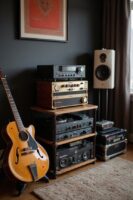
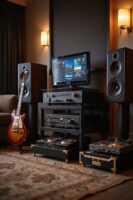
When we plunge into the world of vintage audio, it’s essential to grasp the various connections used in older equipment. The most common among these are RCA connectors, known as phono plugs, which serve as the standard for linking turntables and amplifiers. You’ll also encounter DIN connectors on some European models, requiring DIN-to-RCA cables for seamless integration.
When connecting speakers, we should be mindful of how we use bare wire for terminals, ensuring proper polarity by matching red and black connections. Furthermore, using adapters for headphone jacks, particularly the 1/4-inch ones, lets us connect modern devices easily. By understanding these connections, we create a bridge between the past and present in our audio experiences. Additionally, ensuring that amplifiers with built-in phono preamps are utilized can significantly enhance sound quality when integrating vintage and modern systems.
Using External DACS With Vintage Equipment

Utilizing external DACs can greatly enhance our audio experience when connecting vintage equipment to modern digital sources. The right DAC selection is essential, so we should choose one that supports formats like coaxial or optical input. Connecting a quality DAC, such as the Essence HDACC II-4K, can transform our listening experience by converting digital signals efficiently. Additionally, ensuring that the DAC’s output matches the power output requirements of our vintage amplifier is crucial for optimal performance. Once we’ve selected a DAC, we connect it to our vintage amplifier using RCA outputs, ensuring compatibility. For vintage setups lacking auxiliary inputs, the tape monitor option works well, too. By following proper grounding practices, we can avoid pesky noise. With the right DAC, we bridge the gap between classic and contemporary audio quality effortlessly.
Recommended Products
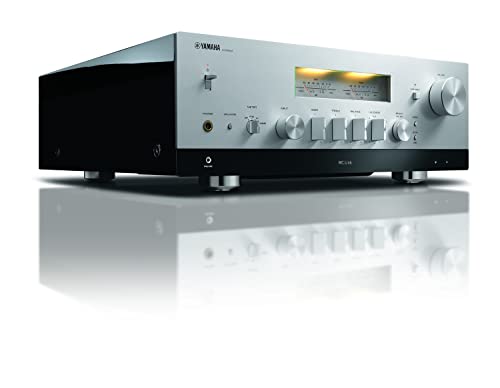
With its authentic Hi-Fi quality, The Yamaha R-N2000A is a next-generation network HiFi receiver, compatible with lossless and high-resolution music sources, including streaming services.

HIGH-END SOUND QUALITY FOR SERIOUS ENTHUSIASTS – Audiophile level sound stage produced by the finest quality components. Features ribbon horn tweeters and 6.5in woofers that provide crisp, clear, natural sounding highs and powerful room-shaking bass that doesn't distort at higher volumes.

100 W plus 100 W (20 Hz 20 kHz, 0.019% THD)
Integrating Streaming and Wireless Audio

Integrating modern streaming and wireless audio options with vintage equipment opens up exciting possibilities for our listening experience. By utilizing Bluetooth integration, we can easily connect wireless audio adapters to our vintage receivers, allowing us to enjoy music without cumbersome wires. Alternatively, Wi-Fi streaming devices like the Bluesound Node and Aurilic provide higher fidelity and stability, ensuring our beloved analog sound quality remains intact. Many of these devices feature user-friendly apps, letting us control playback right from our smartphones. We can leverage tape monitor loops or auxiliary inputs for seamless integration. Plus, with proper selections of adapters, we maintain the warmth of vintage audio while embracing the convenience of modern technology. It’s all about enhancing our passion for music without compromise. Additionally, incorporating Bluetooth 5.0 technology can ensure a stable connection and improved audio quality for an enhanced listening experience.
Recommended Products

VOTED BEST TURNTABLE BY NEW YORK TIMES WIRECUTTER - "This turntable delivers an accurate sound that works great for any type of music, and it's exceptionally well built for the price."

PURE ANALOG PERFORMANCE - The definitive vinyl record listening experience for beautifully warm and natural music, transporting you into the center of the performance

EXPERIENCE YOUR FULL VINYL COLLECTION: Two-speed turntable (33 1/3 and 45 RPM) allows for easy switching between record types (7-inch 45 or 12 inch LP) simply by turning a dial
Connecting Turntables and Phono Preamp Requirements

Connecting vintage turntables to modern audio systems isn’t just straightforward; it often requires a careful understanding of phono preamp requirements. For those of us using vintage equipment, we’re aware that the cartridge output is typically lower than modern line-level signals, necessitating proper signal amplification through a phono preamp. If our modern system lacks a phono input, we’ll need to connect the turntable’s RCA outputs to an external phono preamp, then link the preamp’s output to any line-level input on our audio gear. Remember to use high-quality RCA cables to guarantee clarity while avoiding direct connections to line-level inputs. Additionally, choosing speakers with customizable bass and treble controls can greatly enhance the overall listening experience. Let’s embrace this setup to enjoy the true beauty of our vinyl collection without compromising sound quality.
Recommended Products
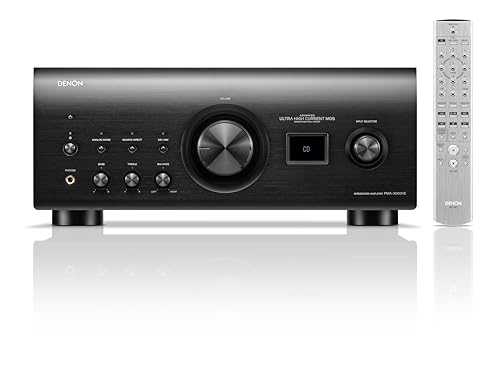
HIGH-PERFORMANCE INTEGRATED AMPLIFIER - The Denon PMA-3000NE 2 Channel Amplifier Home Audio, tuned by Denon's Sound Master Shinichi Yamauchi, delivers 80W/Ch at 8 ohms (160W/Ch at 4 ohms), ensuring accuracy & low distortion to enhance your home audio

A studio-quality, 96 kHz/64-bit digital signal processor uses enhanced dithering technology and a low-jitter clock to deliver a warm, natural analog sound

ENVELOPING 3D AUDIO FOR LARGER SPACES - Featuring 8K/60Hz pass-through, 9.4-Ch AVR-X4800H (125W X 9) home audio receiver delivers pristine video and smooth motion, Dolby Surround and DTS Neural:X upmixer offer heightened realism for legacy content
Speaker Compatibility and Wiring Considerations
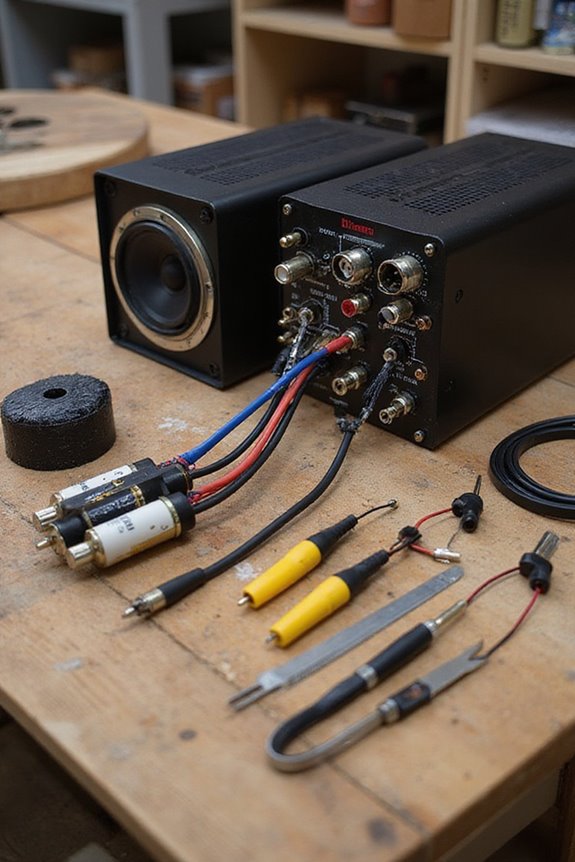
When it comes to using vintage speakers with modern audio systems, guaranteeing compatibility and proper wiring is critical for achieving the best sound quality. First, let’s check the speaker impedance. Most vintage speakers are between 4 and 8 ohms, so matching this with your amplifier is key to avoiding overheating or distortion. Next, consider wiring configurations; vintage gear often relies on bare wire or spring clips, while modern systems might use binding posts or banana plugs. Adapters can bridge this gap. It’s also vital to maintain proper polarity—matching positive and negative terminals helps prevent phase cancellation. Finally, if we encounter anything unusual, like corrosion on terminals, let’s clean those contacts to guarantee a solid connection for peak performance. Additionally, audio quality is essential for ensuring an immersive experience, so consider investing in a good receiver to process audio effectively.
Recommended Products

Nominal speeds: 33/45 r.p.m.

PURE ANALOG PERFORMANCE - The definitive vinyl record listening experience for beautifully warm and natural music, transporting you into the center of the performance
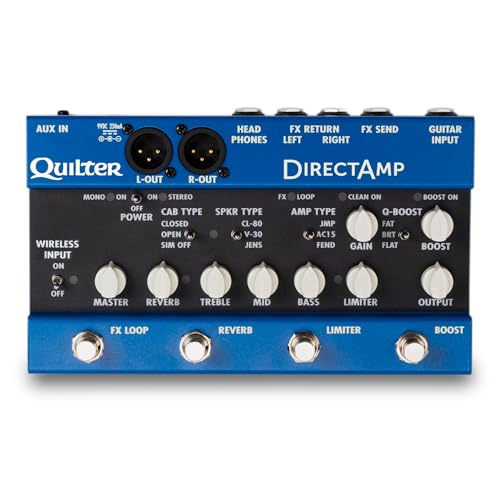
Go wireless: Play along with tracks from your phone or tablet via wireless input. With an all new industry leading wireless input that accepts apple lossless, and APTX lossless codecs.
Troubleshooting Common Connection Issues
Troubleshooting common connection issues is an important part of enjoying vintage audio equipment in today’s digital world. First, let’s confirm we’ve selected the correct input on our receiver; it’s a simple fix that can often solve audio problems.
If we experience a ground loop hum, consider using ground loop isolators or verifying all devices share a common power source. Signal distortion often indicates cable issues—let’s double-check for oxidized or loose RCA connections.
Additionally, using the right adapters is vital. If we connect a mono cable instead of a stereo one, we’ll likely face sound issues. By staying mindful of input selections, cable quality, and ground connectivity, we can greatly enhance our listening experience.
Enhancing Sound Quality With Quality Cables
To maximize the vintage audio experience, it’s crucial we invest in quality cables. High-grade cables made from oxygen-free copper reduce signal loss, delivering clearer sound. We can also look into silver-plated options for improved high-frequency transmission, though they come at a higher price.
Additionally, shielded cables offer significant cable shielding benefits, blocking electromagnetic and radio-frequency interference that can introduce unwanted noise. Maintaining tight connections with gold-plated connectors ensures durability and prevents signal degradation.
For ideal performance, selecting shorter cables—ideally under three meters—is recommended, as they reduce interference, preserving that warm analog sound we cherish. Ultimately, quality cables enhance our listening experience, allowing us to revel in music just as the artists intended.
Recommended Products

K19 is a flagship desktop decoding and headphone amplifier all-in-one machine, mainly used to connect to computers, mobile phones, tablets, HiFi players, and other devices, and improve the sound quality of existing devices through K19's decoding and amplification. It also supports 31-segment high-precision lossless PEQ adjustment function.

Made in the USA of U.S. wire and imported (Japan) RCA to RCA connectors-cold-welded, not soldered

14AWG, 4 CONDUCTORS, BLACK JACKET, 500FT BOX. 14 gauge speaker cable, featuring 41 strand Oxygen-Free Copper conductors. Built to exacting standards with zero compromises.
Maintaining Vintage Audio Equipment for Longevity
Preserving our vintage audio equipment can feel like an art form, especially since these cherished pieces often represent a blend of nostalgia and craftsmanship. We can guarantee longevity by using gentle cleaning techniques, such as soft brushes with mild detergent, which protect delicate surfaces. Regular cleaning reduces annoying static and enhances the appearance of our gear. For restoration tips, we should replace outdated components like electrolytic capacitors and faulty potentiometers to restore functionality. Additionally, lubricating moving parts and checking for worn drive belts is essential for smooth operation. To protect our equipment, consider controlled environments free from humidity and direct sunlight. Careful maintenance guarantees our vintage audio treasures continue to deliver exceptional sound for years to come.
Frequently Asked Questions
Can I Use Vintage Audio Equipment With My Modern TV?
Absolutely, we can enjoy our vintage audio equipment with modern TVs! By ensuring proper audio compatibility through adapters, we bridge vintage connections and bring back that nostalgic sound while embracing new technology’s conveniences.
What Voltage Requirements Should I Consider for Vintage Equipment?
When considering voltage requirements for vintage gear, we should always check their compatibility. Using the right power adapters guarantees our equipment won’t overheat or underperform, preserving the rich audio experience we all cherish together.
How Can I Improve the Audio Quality of My Vintage Setup?
To improve our audio quality, let’s invest in premium audio cables, optimize speaker placement, and regularly maintain our vintage gear. By doing this, we’ll elevate our listening experience and cherish our shared passion for music.
Is There a Risk of Damaging Vintage Gear With Modern Devices?
Yes, there’s definitely a risk of damaging vintage equipment when using modern devices. We need to guarantee proper compatibility and take preventive measures to protect our beloved gear from potential overload and component stress.
How Do I Clean Vintage Audio Equipment Safely?
Did you know that 70% of audio enthusiasts struggle with cleaning techniques for vintage gear? We can safely restore our beloved equipment using proper cleaning techniques and safe materials, ensuring longevity and peak performance—together, we preserve the magic!