As an Amazon Associate, we earn from qualifying purchases. Some links on this site are affiliate links at no extra cost to you. Our recommendations are based on thorough research and editorial judgment.

What Are The Best Instrument Humidifiers For Storage?

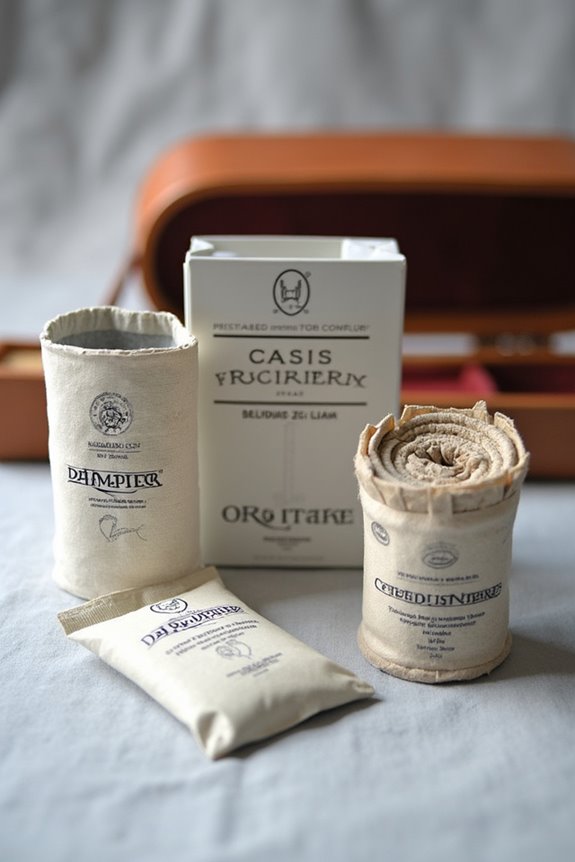
When we’re looking for the best instrument humidifiers for storage, we’ve found that options like the D’Addario Humidipak System or MusicNomad’s Humitar are great choices. They maintain a stable humidity level of 40% to 60%, essential for protecting wooden instruments from damage. Additionally, features like humidity monitoring and leak-proof designs enhance their effectiveness. If you want to learn how to choose the right humidifier for your instruments or explore portable options, let’s continue.
Key Takeaways
- D’Addario’s Humidipak System provides stable humidity control, ideal for long-term storage of string instruments and trusted by professionals.
- MusicNomad’s Humitar features an anti-drip design, suitable for various string instruments while ensuring consistent moisture levels in storage.
- Kyser Lifeguard offers reliable moisture absorption, helping to protect acoustic guitars during storage with its durable design.
- Room humidifiers are effective for multiple instruments on stands, maintaining a consistent humidity level across the storage environment.
- Two-way systems automatically adjust humidity levels based on environmental changes, providing optimal protection for stored instruments.
Understanding Different Types of Instrument Humidifiers
You may be interested

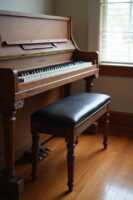
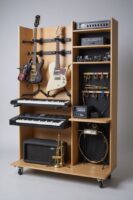
When it comes to storing our cherished instruments, understanding the different types of humidifiers can make a big difference in preserving their quality. For instance, humidity packs like Boveda and Integra deliver a stable relative humidity, perfect for wooden instruments such as guitars and violins. Case humidifiers fit snugly within instrument cases, maintaining ideal moisture control without affecting the exterior environment. Room humidifiers, using advanced humidity technology, regulate the air for multiple instruments stored on stands. Finally, two-way systems can adeptly adjust moisture levels based on fluctuating conditions. For long-term care, specialized display cases offer precise control, ensuring our prized instruments remain in peak condition. Embracing these options helps us nurture our musical investments effectively. Additionally, understanding the role of turntable preamps can enhance the quality of sound for musicians who play instruments with electronic outputs.
Recommended Products

Holds both acoustic and electric guitars

Precise Temperature and Humidity Control: Protect your precious wooden stringed instruments from common damage caused by unstable indoor environments. This professional guitar display cabinet is equipped with an intelligent temperature control system and a precise humidification system, effectively preventing issues such as drying out, cracking, warping, and deformation in guitars, pipas, and other wooden stringed instruments. It maintains a stable indoor microclimate year-round, preserving the wood’s optimal elasticity and tone, ensuring your instruments remain in perfect playing condition to meet long-term collection and performance needs.

Measures temperature differential between two zones, relative humidity, and wet bulb temperature
Key Features to Look for in Humidifiers

Choosing the right humidifier for instrument storage involves recognizing key features that guarantee our instruments remain in perfect condition. First off, look for models with humidity monitoring capabilities—digital hygrometers provide real-time readings to avoid fluctuations that can warp wood. Moisture retention is another essential feature; units using Humigel crystals™ or clay-based systems maintain consistent humidity levels for prolonged periods. Additionally, two-way humidification technology maintains ideal relative humidity, adapting to environmental changes automatically. Ease of use matters, too—options like “Set & Forget” controls simplify operation. Finally, prioritize leak-proof design to protect our instruments, ensuring there’s no risk of water damage while keeping moisture levels steady. With these key features, we can take better care of our cherished instruments. Furthermore, regular maintenance of humidifiers can significantly enhance their longevity and effectiveness in preserving instrument health.
Recommended Products

Temp./Humidity Range: -4 to 158°F(-20 to 70°C) / 0 to 100% RH
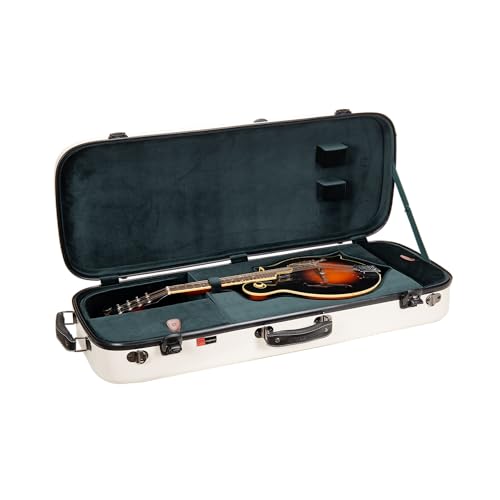
🪕 Custom Fit for F-Style Mandolins (Gibson F5 Compatible) – Specifically molded to secure F-style mandolins like the Gibson F5 or Eastman variants, offering a snug, rattle-free interior without the need for added foam.
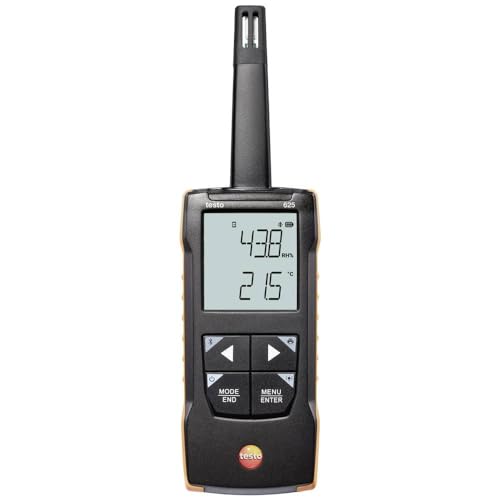
EFFICIENT; The testo 625 indoor humidity meter measures air temperature and relative humidity precisely and offers quick and reliable assessment of air quality in storage rooms
Top Brands and Products for Instrument Protection

Finding the right humidifier is crucial for instrument protection, as it directly impacts the longevity and playability of our beloved instruments. Let’s explore some top brands worth our attention!
MusicNomad’s Humitar stands out with its anti-drip design, perfect for various string instruments. In brand comparisons, D’Addario’s Humidipak system excels in maintaining stable humidity, which many professionals trust. For those in the acoustic guitar community, the Kyser Lifeguard offers durability and reliable moisture absorption. Oasis takes it a step further, incorporating indicators for refills. Finally, West Music’s models are specifically designed for orchestral instruments, ensuring gentle moisture diffusion. Additionally, maintaining optimal humidity levels is essential for preserving your instrument’s sound quality and overall integrity.
These products not only provide protection but also preserve our instruments’ sound quality, making them important investments in our musical journeys.
Recommended Products

Lightweight & Ergonomic; Weighing less than 6.4 lbs, the air flow meter offers comfortable handling with an ergonomic design and tiltable display, perfect for prolonged use in large spaces or above head height

Fully Automatic Operation: With fully automatic operation, the oil cup of the machine can automatically stir, rest, raise or low voltage, just press the test button after setting, in addition, the tester also adopts large LCD display screen, easy to achieve intelligent control mode and digital operation
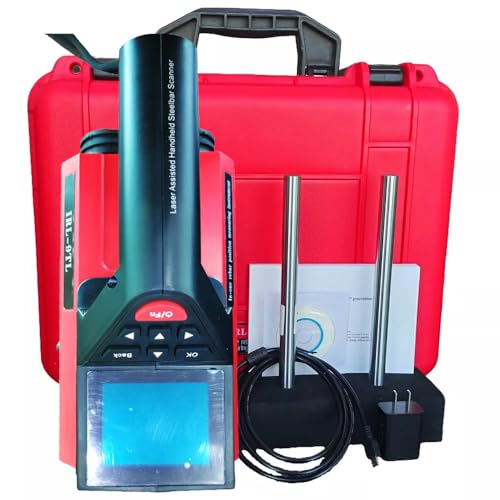
◆ 1.Concrete rebar locator 2.8 inch high resolution color LCD screen (320 x 240 pixels), whether in indoor or outdoor, any situation can be clearly visible detection data; 2. Multi-coil structure design, faster, higher precision, stronger resolution;
Ideal Humidity Levels for Wooden Instruments

To keep our wooden instruments in prime shape, understanding the perfect humidity levels is crucial. Ideally, we should aim for a relative humidity (RH) range of 40% to 60%, with 40%-50% being most recommended. It helps us minimize the humidity effects like wood shrinkage, cracks, and warping. When humidity dips below 40%, we risk irreversible damage, while levels above 60% can lead to swelling, harming tonal quality. By managing moisture effectively, we guarantee consistent sound and prolonged instrument life. Let’s also remember to monitor our environment—using a hygrometer and keeping instruments away from direct sunlight can make a significant difference. Additionally, battery life duration is important for maintaining the quality of sound in instruments during performances. Together, we can maintain ideal conditions and protect our treasured instruments for years to come.
Tips for Usage and Maintenance of Humidifiers

When it comes to caring for our wooden instruments, utilizing humidifiers effectively is essential for preserving their quality. We should start with daily cleaning—emptying water tanks to prevent microbial growth and wiping surfaces dry to avoid mold. It’s vital we use distilled or demineralized water, as tap water can harm our instruments over time. For peak performance, we ought to clean our humidifiers every three days with brushes to eliminate any scale. Additionally, let’s keep a regular maintenance schedule for refilling, ensuring we monitor humidity levels. By following these simple tips, we can maintain the right balance for our beloved instruments, preventing issues like cracking or warping. Furthermore, effective cooling systems in humidifiers can help maintain an optimal environment for our instruments. A little diligence goes a long way in preserving our musical investments!
Choosing the Right Humidifier Based on Storage Needs
Choosing the right humidifier for our instrument storage needs is crucial, especially since maintaining the ideal humidity levels can prevent irreversible damage. When we evaluate humidifier selection criteria, we must consider environmental factors like room size and climate. For larger collections in dry areas, models like the Aircare MA1202, with its substantial capacity and extended runtime, can keep humidity steady between 40% and 50%. Conversely, for single instruments, sponge-based humidifiers fit conveniently within cases, though they require frequent refills. Features like built-in humidistats and hygrometers enhance our ability to monitor humidity effectively. By aligning our choices with these needs, we guarantee that our instruments remain in prime condition, preserving their sound quality and longevity.
Recommended Products

Hard shell arch top wood case, 5-ply wood shell

Heavy Duty Wooden Case: The multi-layer plywood core provides strength and security for your guitar.

TWO-WAY HUMIDITY CONTROL – D’Addario Two-Way Humidification System is the only maintenance-free two-way humidity control system for guitar. It automatically maintains the optimal 45-50% relative humidity level within your instrument case by adding or depleting moisture as necessary.
Recommendations for Traveling Musicians and Portable Options
Considering the specific needs of traveling musicians, finding reliable and compact humidification solutions can make all the difference in preserving instrument integrity on the go. For our acoustic guitar friends, the Music Nomad Humer integrates seamlessly into cases, requiring only periodic distilled water refills. If you’re playing smaller instruments, the Planet Wave small humidifier offers targeted moisture control. The Oasis OH-6 is versatile, trusted by many touring musicians. We should consider using digital hygrometers like the Oasis OH-2 to monitor humidity accurately. Remember, travel tips include using devices with cool mist technology for comfort. These portable humidifiers can prevent humidity effects on our instruments, ensuring they remain in top shape for every performance.
Recommended Products

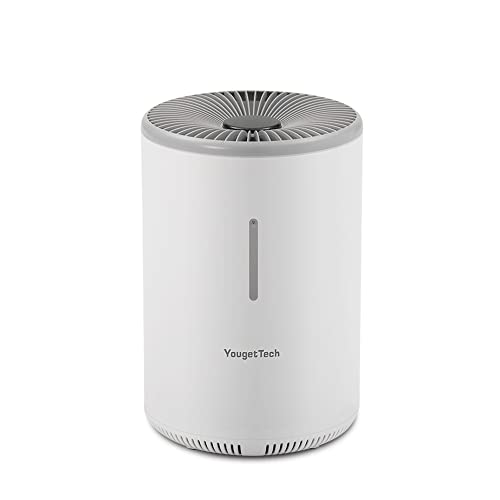
★DEFINE COMFORT FOR YOU: Intelligent constant humidity, intimate humidity control. The Evaporative Humidifier comes with a sensitive humidity sensor detector, which can automatically adjust the suitable humidity or customize the humidity of 30%-99% in the intelligent mode, and the setting is free and convenient.The evaporative design also doesn't emit mineral dust into the air, A simple and powerful humidifier for bedroom is a wonderful option for you and your loved ones.

8-IN-1 MULTIFUNCTIONAL CO2 MONITOR. Adopts SenseAir NDIR carbon dioxide sensor, Dart HCHO sensor, and Temtop professional-grade particle sensor. Gather the world's top technology to provide you with comprehensive air pollution monitoring.
Frequently Asked Questions
How Do I Know if My Instrument Needs More Humidity?
We can tell our instrument needs more humidity by observing signs like cracks or tightness. Keeping an eye on humidity indicators guarantees proper instrument care, helping us maintain that warm, rich sound we all love.
Can I Use Essential Oils in My Humidifier?
We wouldn’t recommend using essential oils in our humidifiers due to safety concerns. While essential oil benefits are great, unregulated substances can compromise our air quality and health if not used properly. Let’s prioritize safety together!
What Happens if Humidity Levels Exceed 60%?
Humidity havoc happens when levels exceed 60%. We’re at risk of moisture damage, leading to warped wood and corroded metal. Together, we must prioritize moisture control to preserve our beloved instruments and maintain their sound.
Are There Any Signs of Over-Humidification?
We’ve all noticed the signs of over-humidification: wood swelling, bubbling finishes, and even mold growth. It’s essential we prioritize moisture control to prevent humidity damage and protect our instruments together, ensuring they stay in top shape.
How Often Should I Replace Humidity Control Packs?
Who wouldn’t love replacing humidity control packs? We should replace them after about six months or sooner if humidity monitoring shows signs of hard packs. Trust us, a short pack lifespan isn’t worth risking our instruments!