As an Amazon Associate, we earn from qualifying purchases. Some links on this site are affiliate links at no extra cost to you. Our recommendations are based on thorough research and editorial judgment.


How To Improve Room Acoustics On A Budget?

To improve room acoustics on a budget, we can use simple techniques. We can repurpose blankets or hang curtains to absorb sound reflections. Crafting DIY sound absorption panels with dense batting can effectively reduce echo. Additionally, sealing gaps around windows and doors with acoustic caulk and door sweeps prevents noise leakage. Positioning furniture, like bookcases, helps diffuse sound. By experimenting with these solutions, we create a lively listening space, enhancing our overall audio experience. Discover more practical tips below!
Key Takeaways
- Repurpose blankets and curtains to reduce echoes by hanging them over windows and bare walls as affordable sound absorbers.
- Create DIY sound-absorbing panels using dense batting and attractive fabric to enhance room acoustics effectively.
- Seal gaps around doors and windows with acoustic caulk and door sweeps to minimize sound leakage.
- Test and adjust room acoustics with sine-wave tones and smartphone apps to identify and address problematic areas.
- Combine absorption and reflection strategically by using open-cell foam and bookcases for a balanced audio environment.
Understanding Sound Reflection and Absorption
You may be interested


When we think about room acoustics, sound reflection and absorption play essential roles in shaping our auditory experience. Reflection types, like primary and secondary reflections, can either enhance or muddle our sound clarity. For instance, smooth surfaces create predictable sound bounces, while rough surfaces diffuse sound, offering a more uniform audio experience.
On the absorption side, materials such as mineral wool, open-cell foam, and fabric curtains help convert sound energy into heat, reducing distracting echoes. To optimize our spaces, we can position absorption materials strategically, such as 2-4 inches from walls, to maximize their effectiveness. Additionally, incorporating subwoofers and audio quality into our setup can significantly enhance the low-end frequencies, contributing to a more immersive listening experience. By understanding these principles, we can create rooms that feel more inviting and acoustically balanced, enhancing our listening experiences without breaking the bank.
DIY Sound Absorption Techniques
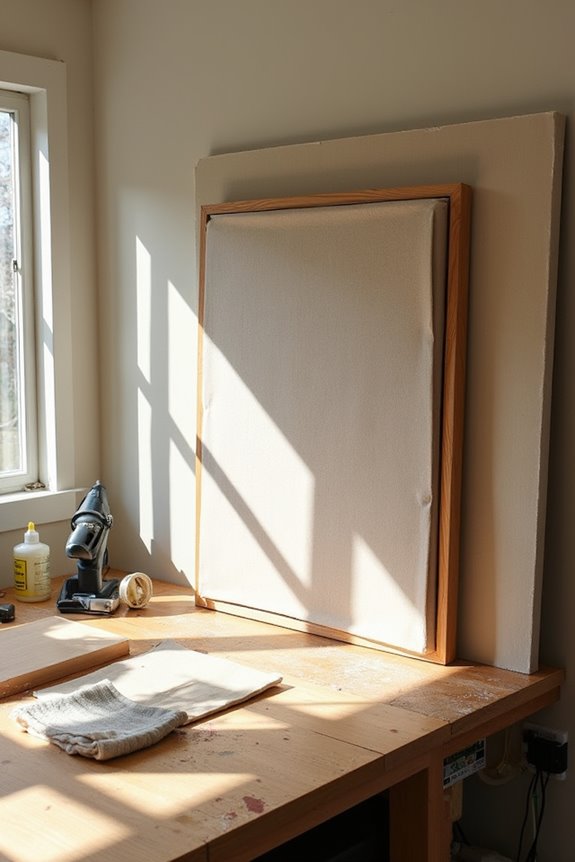
Improving room acoustics doesn’t have to require a hefty budget; many effective DIY sound absorption techniques are available right at home. We can easily repurpose household textiles like old blankets, thick curtains, or comforters to absorb sound reflections on hard surfaces. Hanging these items over windows and bare walls helps reduce unnecessary echo.
We can also create fabric bags stuffed with soft materials to act as improvised sound absorbers in corners. For a more customized solution, let’s frame DIY sound-absorbing panels with dense batting, cover these with fun fabric, and strategically place them near speakers. Not only do these DIY techniques enhance our acoustics, but they also make our space feel inviting and uniquely ours. Additionally, utilizing large dynamic drivers in any audio equipment can further improve sound quality in conjunction with these absorption methods.
Recommended Products

Tested Performance: Up to 26 dB sound reduction; NRC 0.89 absorption; KCL third party test data available; built for sound isolation and acoustic control

WALL-MOUNTED PARTITION: This Wall-Mountable version of the Room Divider 360 Partition is perfect to create space for numerous functions. It forms workplace areas in offices, or any situation that would require consistent use of the Room Divider 360. Wall Mount Included.

12 Piece Kit contains 8 wall panels and 4 ceiling panels, each panel is sized 24" x 48" x 2"
Affordable Acoustic Panels and Foam Solutions

Affordable acoustic panels and foam solutions are essential for anyone looking to enhance their room’s sound quality without breaking the bank. By exploring affordable panel options, we can choose materials that fit our needs and budgets. Polyester core panels like AlphaSorb® balance cost and absorption, while cotton fiber panels such as EcoVerb offer eco-friendly vibes at lower costs. For DIY enthusiasts, cellulose-based panels are affordable, made from recycled fibers. Melamine foam panels provide a fire-rated option, but should typically be prioritized over inexpensive polyurethane foams. Products like BXI Sound Absorber panels and Tönnen acoustic panels are highly rated on Amazon, ensuring solid performance without the hefty price tag. Additionally, investing in multiple drivers can significantly improve sound quality by reducing distortion and enhancing overall audio performance. Let’s transform our spaces with these budget-friendly solutions!
Recommended Products
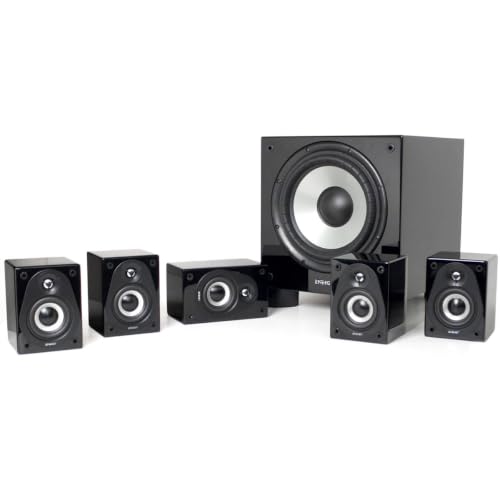
Micro 5.1 Home Theater surround speaker package of critical acclaim delivers high performance sound in elegant and unobtrusive package.

IMMERSIVE SURROUND SOUND - Experience true cinematic audio with dual KLH Beacon speakers, each featuring two 5.25" Kevlar drivers and 1" aluminum tweeters for detailed, room-filling sound.
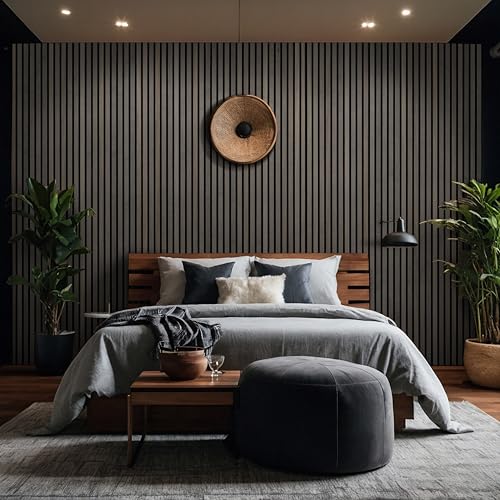
Includes 4 Pieces per Case | 31.68 Square Ft. Per Case | Case Weight 48 lb |TILE SIZE: 9.5 in. W x 120 in. L x 0.8 in. T
Sealing Gaps for Better Soundproofing
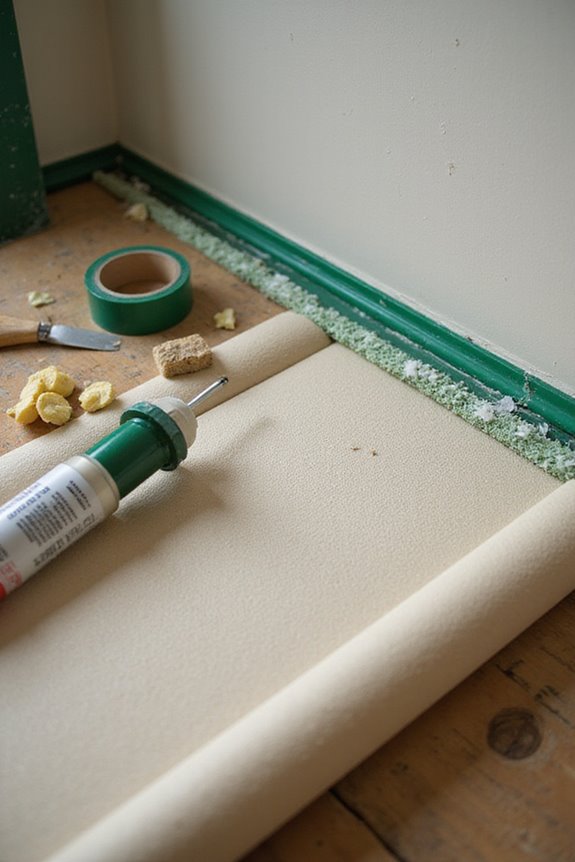
To truly enhance our room’s soundproofing, addressing the smallest air gaps can yield significant improvements. Conducting a thorough gap inspection helps us pinpoint where sound sneaks in—think door frames, windows, and electrical outlets. Using sealing materials like acoustic caulk can create an airtight seal, effectively blocking noise. For doorways, installing a door sweep can cut down on sound leakage under doors. We can also seal gaps around cables with firestop putty pads. Remember, consistency is key; we should periodically check and reapply sealants as needed. By taking these steps, we can reduce sound transmission by up to 50%, fostering a quieter living space everyone can enjoy. Additionally, ensuring that any impedance compatibility is maintained when setting up audio systems can help improve overall sound quality in the room.
Recommended Products

HIGH YIELD COVERAGE: Each can provides up to 21 board feet @ 1" depth for strong output and consistent coverage. Ideal for larger DIY insulation projects and professional applications.

Includes One Bucket of Green Glue compound with Two Acoustic sealant Tubes

CLASS-A FIRE RATED & HIGH-EFFICIENCY INSULATION: Kraken Bond Spray Foam Insulation Kit is Class-A Fire Rated and meets fire safety standards, including ASTM E84, ensuring enhanced fire resistance for safer applications. It also delivers superior thermal performance (R-Value 5.66/inch) and acoustic insulation, making it ideal for attics, walls, and crawl spaces—perfect for both DIYers and professionals seeking reliable, safe results.
Utilizing Sound Diffusion Strategies

When we’re looking to refine the sound quality in our budget room, employing sound diffusion strategies can make a remarkable difference. We can choose from various diffuser types, like DIY 1D “step” diffusers or skyline diffusers using plywood and wood strips, fitting our budget solutions perfectly. Placement strategies are essential; we should cluster diffusers at reflection points, like side walls and ceilings, to enhance sound scattering effectively. Utilizing repurposed materials, such as cotton felt moving blankets, can add acoustic benefits without breaking the bank. By considering our room dimensions, we maintain an improved frequency response while preserving the natural ambiance. Remember, a balanced approach guarantees a lively and engaging listening experience for everyone. Additionally, considering speaker placement is crucial for optimizing audio quality in any setup.
Strategic Furniture Placement
Optimizing the acoustics in our room starts with the careful arrangement of furniture, and it can greatly impact our listening experience. By thoughtfully considering furniture arrangement, we can enhance sound distribution. For example, we should avoid placing large surfaces directly opposite each other to minimize echo. Instead, let’s stagger our furniture to break up parallel lines and reduce harsh reflections.
Pulling furniture slightly away from walls helps prevent low-frequency buildup. Additionally, placing upholstered seating centrally allows for balanced sound delivery, keeping it equidistant from speakers. Using rugs can absorb sound, especially on hard floors. By implementing these practical strategies, we can transform our space into an inviting haven for clear, accurate audio enjoyment.
Recommended Products

PREMIUM GENUINE LEATHER CRAFTSMANSHIP Handcrafted from high-quality genuine leather, this round patchwork rug showcases exceptional craftsmanship and durability while adding a luxurious touch to your home décor.

✔ Add warmth and comfort to your floors with QuietWarmth Radiant Heat Mat for floating flooring! Pair with your luxury vinyl (4mm+ thick), laminate, floating engineered wood, floating tile, and more.
✔ Add warmth and comfort to your floors with QuietWarmth Radiant Heat Mat for floating flooring! Pair with your luxury vinyl (4mm+ thick), laminate, floating engineered wood, floating tile, and more.
Cost-effective Acoustic Upgrades
Improving room acoustics doesn’t have to drain your budget, especially with numerous affordable upgrades available. We can enhance sound quality using budget-friendly acoustics solutions like acoustic foam panels, which effectively reduce echo in home studios. Adding thick drapes or fabric wall coverings helps absorb troublesome reflections without breaking the bank.
For effective soundproofing, hanging soundproof blankets on walls or windows is a quick and reusable approach. DIY bass traps made from dense insulation are another clever way to tackle low frequencies in corners. Even small investments in acoustic treatment kits can greatly elevate our listening environments. By making these cost-effective upgrades, we create inviting spaces that sound as good as they look, allowing us to truly enjoy our favorite audio experiences.
Recommended Products

Modern Wood Wall Panel Design: These wood panels for wall feature a clean 3D slat structure that enhances interior walls with depth and texture, delivering a refined, professional look for residential and commercial spaces.

Acoustic Room Treatment Kit with Eight Control Columns

Acoustic Room Treatment Kit with Eight Control Columns
Testing and Adjusting Room Acoustics
How can we effectively test and adjust the acoustics of our rooms without breaking the bank? First, we can use a Digital Audio Workstation (DAW) to generate sine-wave tones, starting at low volumes to protect our ears and gear. By recording these tones at our main listening spot, we’ll conduct essential room measurements and uncover anomalies like dead spots.
Next, we can explore DIY methods. Using tubes and common materials for sound absorption testing allows us to gauge different materials’ effectiveness. By analyzing our findings with simple decibel meters or smartphone apps, we’ll get valuable insights to improve sound analysis in our space. All this can lead us to a more harmonious listening environment without emptying our wallets!
Maintaining Balance Between Absorption and Reflection
Maintaining a mindful balance between absorption and reflection is essential for achieving ideal room acoustics, especially in spaces like home theaters or recording studios. We want our environments to sound great, so echo reduction is key. This means we shouldn’t overly absorb sound, which can create a lifeless “dead zone.” Placing absorbent materials, like open-cell foam, at first reflection points helps manage unwanted echoes while allowing some reflections to enhance clarity and presence.
Strategic diffusion, such as using bookcases or hybrid panels, can maintain that acoustic balance. By experimenting with these techniques, we can create inviting spaces filled with rich sound without sacrificing natural ambiance, enhancing our overall audio experience. Let’s guarantee our spaces feel both lively and engaging!
Frequently Asked Questions
What Common Mistakes Should I Avoid When Improving Acoustics?
When improving acoustics, we should avoid neglecting room measurements and echo cancellation methods. Let’s be mindful of sound reflections and properly place acoustic materials to truly enhance our listening experience together in harmonious environments.
Can I Use Art to Enhance Room Acoustics Effectively?
Did you know that covering just 20% of wall space with acoustic art can greatly reduce noise? By strategically placing art for sound absorption, we can enhance our spaces while enjoying beautiful designs that unite us.
How Can Plants Affect My Room’s Sound Quality?
When we embrace plants in our spaces, we create natural barriers that enhance sound absorption. Together, we can enjoy quieter environments, filled with vibrant life, fostering a sense of belonging and harmony in our lives.
Are There Specific Colors That Improve Acoustics Visually and Acoustically?
We believe that while acoustic color theory suggests colors can enhance our emotional experience, visual sound absorption relies more on material properties. Let’s choose hues that resonate with us while ensuring effective acoustic treatment for our spaces.
How Do I Determine the Right Amount of Acoustic Treatment Needed?
To determine the right amount of acoustic treatment we need, let’s utilize acoustic measurement techniques and evaluate sound absorption materials. Together, we can assess our space and select effective options tailored to our unique needs.