As an Amazon Associate, we earn from qualifying purchases. Some links on this site are affiliate links at no extra cost to you. Our recommendations are based on thorough research and editorial judgment.


Which Audio Equipment Minimizes Sound Leakage?

When we want to minimize sound leakage, closed-back headphones and in-ear monitors are excellent choices. Closed-back headphones, like the Mpow H21, effectively seal sound within ear cups, enhancing isolation from external noise. In-ear models, such as Bose Sport Earbuds, create a tight fit in the ear canal, greatly reducing leakage. Even custom-molded options provide a superior seal for an immersive experience. Exploring other audio devices can further help us discover the best solutions for sound containment.
Key Takeaways
- Closed-back headphones, like Mpow H21, effectively reduce sound leakage and provide excellent sound isolation due to their sealed ear cups.
- In-ear monitors (IEMs) with a custom-molded fit create an optimal seal, minimizing external noise and preventing audio leakage.
- Directional microphones, such as cardioid models, are designed to capture sound from specific sources, reducing off-axis sound pickup and leakage.
- Soundproofing techniques, including acoustic panels and heavy acoustic doors, improve isolation and prevent unwanted sound transmission.
- Wearable earbuds with a snug fit, like Bose Sport Earbuds, ensure containment of sound while minimizing the risk of audio leakage.
Understanding Sound Leakage in Audio Equipment
You may be interested

How can we effectively manage sound leakage in our audio setups? We’ve all experienced the frustration of unwanted noise interrupting our recordings. One key strategy we can adopt is proper microphone placement. Using close-miking techniques allows us to position microphones near sound sources, enhancing the signal-to-leakage ratio. Additionally, employing directional microphones, like cardioid models, can minimize off-axis sound pickup. Soundproofing techniques are also essential; we should consider materials like soundproofing drywall or acoustic insulation to block sound transmission. Portable barriers and isolation booths can further isolate audio tracks for clarity. By implementing these methods, we can create a more professional and enjoyable audio environment that everyone appreciates. Furthermore, understanding built-in effects can enhance our sound customization, reducing the need for excessive external processing that may contribute to leakage.
In-Ear Monitors and Earbuds

In managing sound leakage during audio production, in-ear monitors (IEMs) and earbuds play a pivotal role. Their in-ear fit is essential, as deep insertion into the ear canal creates a tight seal that minimizes bass leakage. Using Comply Foam ear tips enhances this seal, blocking unwanted external noise and preserving audio fidelity. Custom-molded IEMs outshine universal-fit earbuds thanks to their superior fit, effectively isolating sound and reducing leakage. While we appreciate the convenience of Bluetooth earbuds, they might compromise seal during jaw movement, leading to slight leakage. By operating our IEMs at safe volume levels and ensuring a snug fit, we can enjoy immersive audio experiences without the worry of sound escaping into our surroundings. Additionally, the use of high-resolution audio formats in conjunction with IEMs can further enhance the listening experience by providing greater detail and clarity.
Recommended Products

Sound-isolating Earphones with Four Drivers in 3-way Configuration

The information below is per-pack only
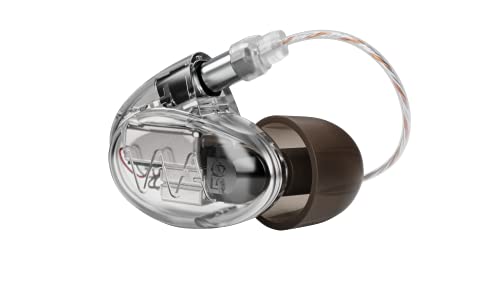
ERGONOMIC TECHNOLOGY: 60 years of experience designing products for the ear has resulted in a universal-fit earpiece that is compact, low-profile, lightweight, and extremely comfortable. Our proprietary eartips enhance the performance of the Pro X50 by ensuring a great fit and seal, right out of the box.
The Benefits of Closed-Back Headphones
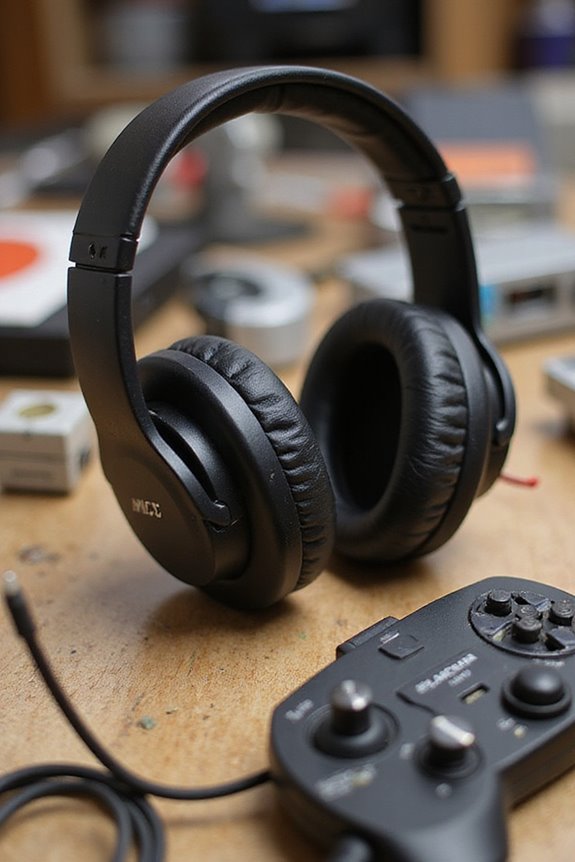
When we choose closed-back headphones, we’re investing in a design that effectively curtails sound leakage while providing an immersive listening experience. Their sealed ear cups deliver excellent sound isolation, shutting out external noise and keeping our tunes contained. This feature is perfect for environments like offices or recording studios, where sound bleed can disrupt our focus and creativity.
Moreover, the snug fit of over-ear models enhances comfort while ensuring minimal leakage—even at higher volumes. By trapping sound within the ear cups, we enjoy audio immersion that brings our favorite tracks to life. Simple maintenance, such as checking ear pad seals, can maximize performance, ensuring that we always experience the best audio isolation and clarity without compromising our surroundings. Additionally, models featuring large dynamic drivers improve sound quality and bass response, further enhancing the listening experience.
Recommended Products
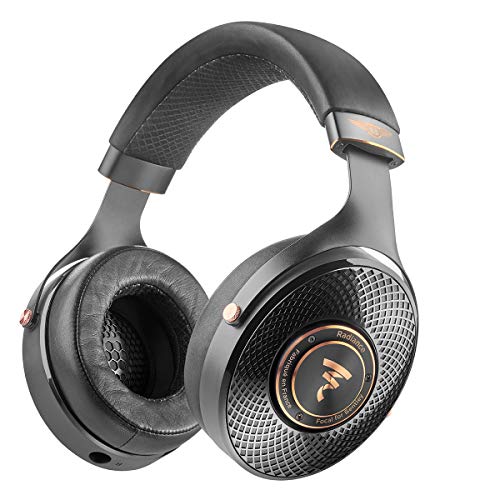

Incredible bass response due to the 100mm planar drivers and closed back design. Our Planar Magnetic drivers have superior impulse response, and make the headphones sound much more realistic.

Hear the difference with massive 70 mm HD drivers, enjoy full range sound up to 120Khz frequency response, hear music at its best with Hi-Res Audio compatibility
Exploring Open-Ear Headphone Technology

As we plunge into the world of open-ear headphones, it’s essential to understand how their innovative design allows for a unique listening experience. These headphones come with notable open ear advantages, such as the ability to maintain ambient awareness while enjoying music or podcasts. By utilizing air conduction or bone conduction technology, they transmit sound without blocking the ear canal.
For instance, while running or cycling, we can enjoy our favorite tunes without losing track of our surroundings. The open design reduces reliance on high volume levels, minimizing sound leakage that can disturb others. As a result, these headphones are perfect for outdoor enthusiasts or professionals requiring situational hearing—the ideal blend of enjoyment and awareness we all seek. Additionally, the long battery life of many outdoor Bluetooth speakers complements the experience, allowing users to enjoy their audio for extended periods without interruption.
The Role of Bone Conduction Headphones
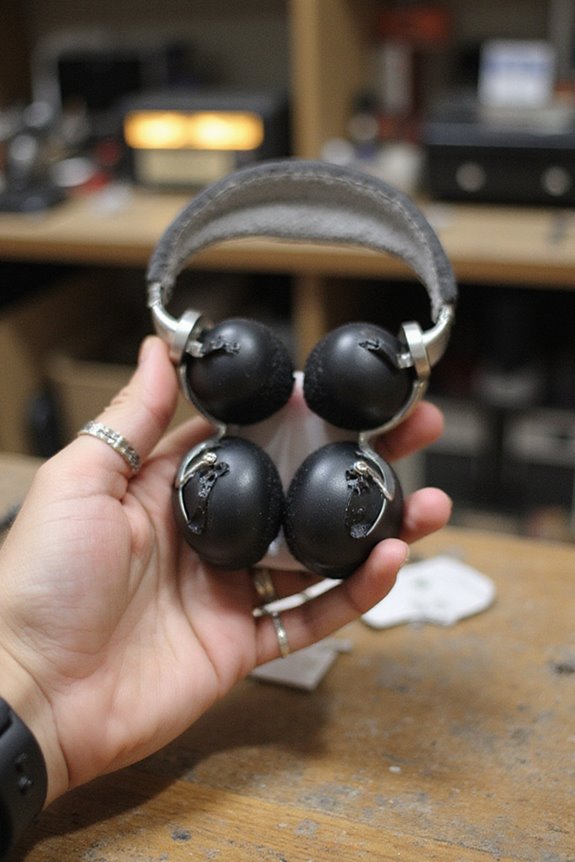
The evolution of bone conduction headphones has transformed how we experience audio, particularly for those who value situational awareness alongside sound enjoyment. Unlike traditional headphones, bone conduction devices transmit sound via skull vibrations, minimizing the risk of sound leakage. While they typically leak more sound than closed-back models, advancements like OT sealing anti-leakage technology can reduce leakage by about 50%. With integrated designs and features like DirectPitch™ technology, these headphones endeavor to balance audio fidelity with comfort and reduced external noise. For instance, using Nank’s AF full shock directivity technology enhances the effective vibration area, improving audio quality. This makes bone conduction headphones perfect for those wanting music without sacrificing awareness of their surroundings. Additionally, the importance of sound quality features cannot be overlooked when selecting audio equipment for optimal listening experiences.
Acoustic Features That Minimize Leakage
To effectively keep sound where we want it, understanding key acoustic features that minimize leakage is essential. Employing sound insulation methods, like Mass Loaded Vinyl (MLV), adds mass to structures, blocking unwanted sound transmission. Acoustic glass windows also excel at reducing external noise while improving energy efficiency. Additionally, heavy acoustic doors with seal kits can greatly outperform standard doors in keeping sound contained.
Sealing gaps around doors and windows prevents sound escape, and using acoustic panels helps absorb reverberation, which enhances overall sound quality. Utilizing floating floors and decoupled walls can further reduce sound transmission, creating an environment that allows us to enjoy our audio without disturbing others. With smart acoustic design, we can achieve our sound goals effectively.
Recommended Products

Blocks noise from entering or leaving your space with soundproofing technology featuring a proven STC rating of 20. Soundsulate Mass Loaded Vinyl (MLV) is highly effective at blocking airborne sounds such as voices, music, street noise, and engine noise. Ideal for use in walls, floors, ceilings, doors, home theaters, automobiles, boats, and RVs.
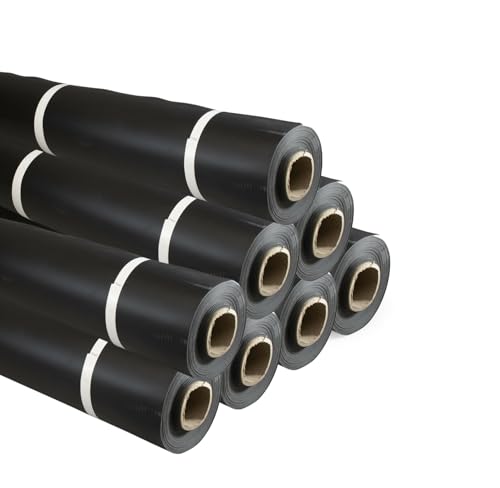
Experience the next level of sound control with our advanced formula, completely re-engineered for superior durability, tear resistance, and a professional finish. The Stronger, Smarter Sound Barrier.

Blocks noise from entering or leaving your space with soundproofing technology featuring a proven STC rating of 31. Soundsulate Mass Loaded Vinyl (MLV) is highly effective at blocking airborne sounds such as voices, music, street noise, and engine noise. Ideal for use in walls, floors, ceilings, doors, home theaters, automobiles, boats, and RVs.
User Experiences With Various Audio Devices
User experiences with various audio devices reveal important insights into how sound leakage impacts our listening enjoyment. Many users praise in-ear headphones for their snug fit and minimal leakage, thanks to custom molds that create strong seals. Closed-back over-ear headphones also receive positive user reviews; their enveloping design limits sound escape, especially with plush memory foam pads. Notably, open-ear models like Shokz OpenFit have garnered mixed feedback. While some appreciate their comfort and awareness for outdoor use, they acknowledge the trade-off in leakage. Fitness enthusiasts often prefer in-ears for their secure fit, while commuters favor closed-back options to maintain privacy. Ultimately, user preferences are shaped by environment and activity, influencing decisions on ideal audio devices.
Evaluating Headphone Pads and Tips
When considering headphone pads and tips, effective sound isolation plays an essential role in our listening experience. Pad materials really make a difference; leather and memory foam create a snug fit that minimizes leakage and outside noise. Over-ear headphones with closed-back designs excel at sound containment. Meanwhile, when it comes to ear tips, foam options often outperform silicone by molding better to the ear canal, enhancing tip effectiveness. If our pads or tips start to wear out, it’s wise to replace them to preserve that important seal. Let’s remember, a proper fit and quality materials are vital to ensuring we enjoy our music without disturbing others or losing immersion ourselves.
Recommended Products
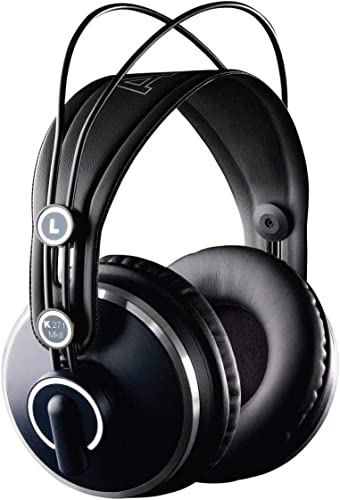
Over-ear design maximum wearing comfort for long work sessions
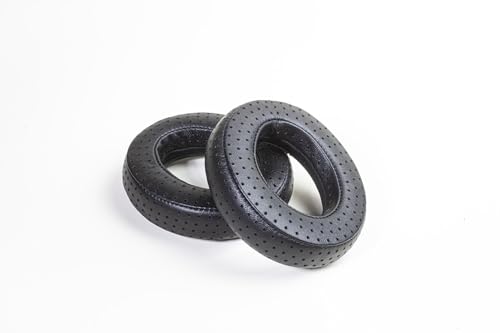
Compatible with Focal Utopia headphone models

EPOS I SENNHEISER - earpads for headset
Strategies for Reducing Sound Leakage in Shared Spaces
In shared spaces, managing sound leakage becomes a top priority, especially as we endeavor for an enjoyable atmosphere without disturbing others. We can start by utilizing soundproof materials, such as insulated partition walls filled with dense insulation. For increased wall mass, soundproof drywall’s multiple gypsum layers work wonders.
Acoustic design plays an essential role too. Installing acoustic panels absorbs sound waves, while strategically placing furniture can block paths for intrusive noise. Adding rugs or heavy curtains further minimizes sound reflections and outside noise infiltration. Finally, implementing layout adjustments, like buffering noisy activities from shared walls, makes a noticeable difference. Together, we can create a harmonious environment where everyone feels comfortable.
Recommendations for Optimal Audio Gear
To optimize our audio experience while minimizing sound leakage, selecting the right gear is essential. For superior sound isolation, closed-back headphones like the Mpow H21 are highly recommended. Their over-ear design seals around our ears, effectively containing sound and enhancing audio clarity.
If we prefer something more discreet, in-ear headphones, like the Bose Sport Earbuds, snugly fit in the ear canal and greatly reduce leakage while maintaining sound quality.
For those interested in open-ear options, consider models like Shokz OpenFit, which utilize advanced acoustic engineering to minimize spill without sacrificing comfort.
Whichever option we choose, a solid fit and the right design can elevate our listening experience and keep sound where it belongs.
Recommended Products

Focal Stellia headphones deliver every tiny detail of every song at both very high and very low frequencies without compromising any tonal balance

Neodymium magnetic circuit with a 15,000 gauss magnetic flux density for wider dynamic range

RPA2023 RPA2023 bobbin-wound voice coil RPA2023 features a hard, shock-absorbing Ebony (striped ebony) wood housing,
Frequently Asked Questions
How Do Different Headphone Designs Affect Sound Isolation?
When we explore how headphone designs affect sound isolation, closed-back headphones excel at blocking noise, while open-back headphones offer better airiness. Together, they cater to our diverse listening environments and preferences, allowing us to connect with our music.
Are There Any Specific Brands Known for Minimal Sound Leakage?
Like a whispering breeze, we can trust brands such as Bose QuietComfort, Sennheiser Momentum, and Sony WH 1000XM4. Together, we’ll enjoy our audio journeys, embraced by minimal sound leakage and a shared love for quality.
Can I Modify My Existing Headphones to Reduce Sound Leakage?
Sure, we can modify our headphones to reduce sound leakage! By using soundproof materials and applying headphone modifications, we can achieve a better fit and minimize audio escape, making our listening experience more enjoyable in shared environments.
What Environments Are Most Affected by Sound Leakage Issues?
Did you know over 22 million U.S. workers face hazardous noise levels yearly? In office settings and public transportation, we can really feel the effects of sound leakage—something we all want to minimize for everyone’s comfort.
How Does Sound Leakage Impact Audio Quality During Recording?
It is understood that sound leakage considerably impacts sound quality, complicating our recording techniques. It blurs clarity, creates unwanted elements, and makes it tough to achieve that polished sound we all crave in our productions together.