As an Amazon Associate, we earn from qualifying purchases. Some links on this site are affiliate links at no extra cost to you. Our recommendations are based on thorough research and editorial judgment.

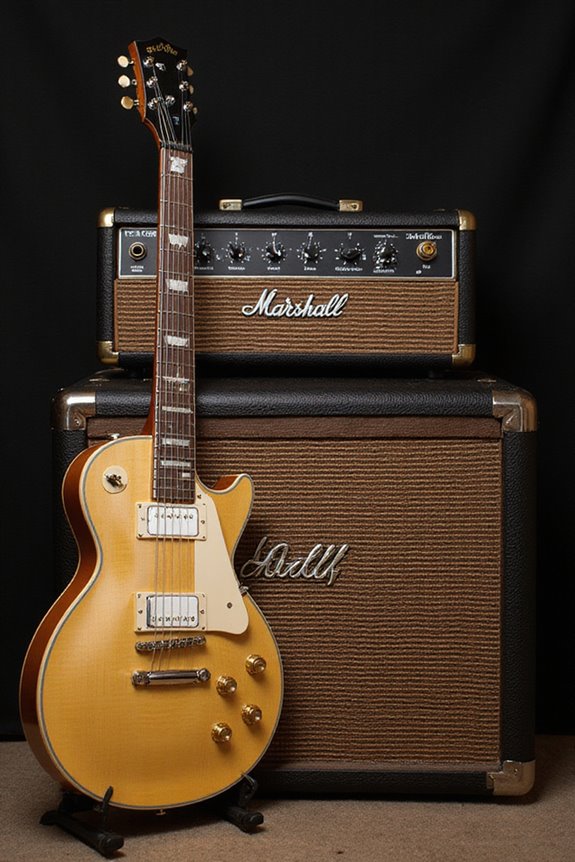
Which Amplifiers Are Best For Jazz Guitar Playing?

When seeking the best amplifiers for jazz guitar, we often turn to esteemed brands like Fender and Vox. Models such as the Fender Hot Rod Deluxe and Vox AC30 are popular for their warm, clear tones and dynamic range. We appreciate versatility with features like extensive EQ and built-in effects. Portability matters, too, with lightweight amps like Henriksen making gigging easier. Let’s explore more options to find the right fit for your jazz sound.
Key Takeaways
- Fender models like Deluxe Reverb and Hot Rod Deluxe deliver warm, clean tones ideal for jazz guitarists.
- Vox AC30 offers bright, jangly tones that enhance jazz melodies, making it a popular choice.
- Roland Jazz Chorus JC-120 is celebrated for its crisp sound and built-in chorus effect, perfect for jazz.
- Lightweight and portable options like Henriksen The Bud cater to gigging musicians without sacrificing sound quality.
- A good amp should have dynamic range and versatile EQ settings to cater to different jazz playing styles.
Popular Brands for Jazz Guitar Amplifiers
You may be interested
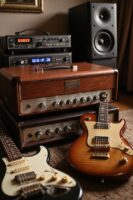

When it comes to amplifying the rich, nuanced sound of jazz guitar, we find that certain brands consistently stand out among musicians. The Fender legacy is hard to overlook; models like the Deluxe Reverb and Blues Junior are beloved for their clean tones and warm low ends. These amps give us the tonal flexibility essential for jazz. Meanwhile, Vox offers unique versatility with its AC30 and AC15 models. While known for rock, these amps deliver bright, jangly tones perfect for jazz’s intricate melodies. For those on a budget, the Vox Valvetronix VT40+ balances affordability and function. Ultimately, whether we lean towards the classic tones of Fender or the bright flair of Vox, selecting the right amp can elevate our jazz experiences. Additionally, many of these amps come with built-in effects functionality, allowing musicians to customize their sound and enhance their performances.
Recommended Products

20-watt 2-channel All-tube 1x12" Guitar Combo Amplifier with Jensen C12Q Speaker

The classic design is updated with improved volume pot tapers, offering more precise control at low settings used for rich, mellow clean tone from the normal and tremolo channels
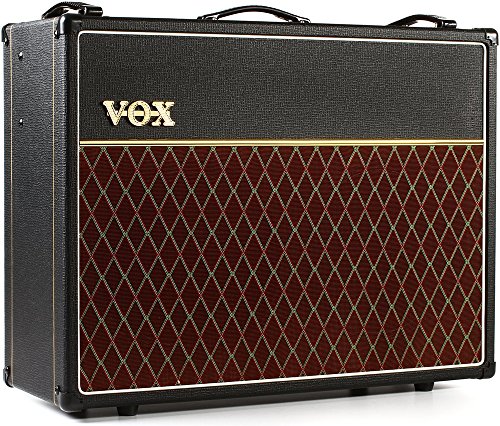
Delivers 30 watts of classic VOX power, perfect for a wide range of venues
Key Amplifier Models Preferred for Jazz
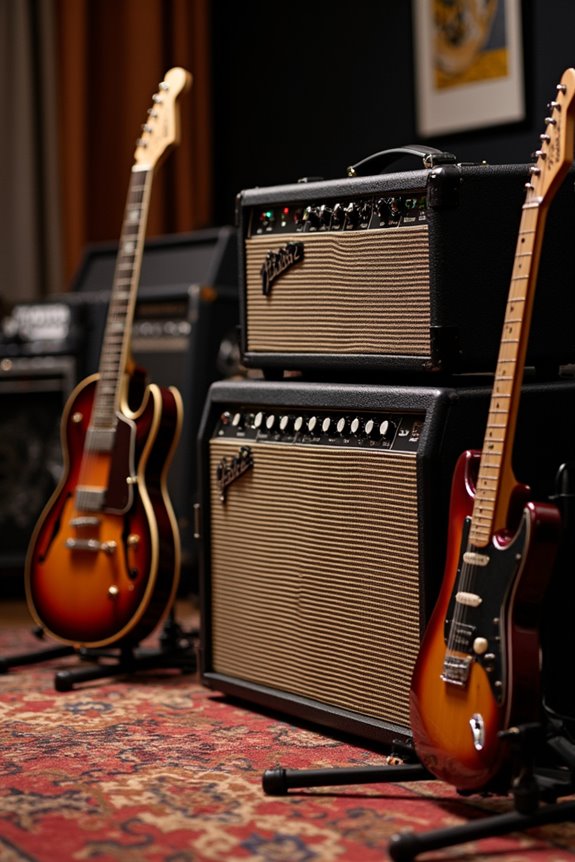
Steering through the world of jazz guitar amplifiers can be overwhelming, but certain models consistently emerge as favorites among musicians. Among the top choices, Fender models like the Hot Rod Deluxe and Jazz King offer warm, clean tones perfect for any jazz setting. Vox options, including the AC30, provide that bright, jangly sound unlike anything else, making them a preferred choice for many jazz guitarists. Peavey’s Classic 30 has maintained its reputation for durability and consistent clean tones, suitable for a variety of environments. Roland favorites such as the Jazz Chorus JC-120 are celebrated for their crisp, chorus-heavy sound. And let’s not forget boutique selections like Henriksen, which allow for tailored tone shaping coveted in jazz circles. Additionally, built-in effects can enhance the overall sound quality, providing jazz guitarists with more options for expression and creativity.
Recommended Products
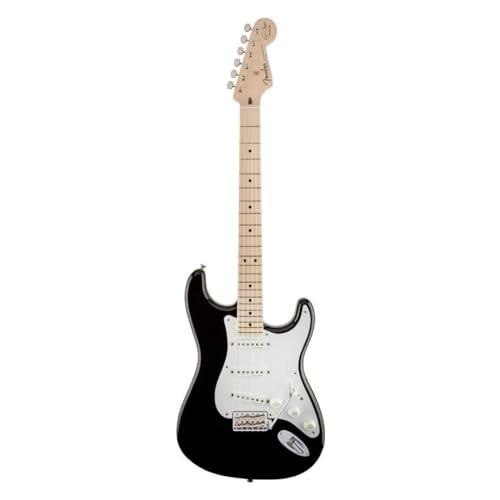
Soft v-shaped neck and vintage frets offers the feel and vibe of a vintage Strat.

4 inputs and 2 channels can be blended to produce an expanded array of authentic vintage tube tones.

Open back, around ear, reference class dynamic headphone
Desired Sound Characteristics in Jazz Guitar Amps

What defines the perfect sound for jazz guitar amps? The desired sound typically showcases a smooth, rounded tone with a warm midrange. We appreciate a clear midrange that renders notes distinctly, complemented by tight bass response that enhances rhythm clarity without becoming boomy. Additionally, a fat/bright tonal switch or extensive EQ can elevate tonal versatility, tailoring our sound to fit various nuances of jazz playing. We need amps that emphasize dynamic range, allowing us to express ourselves with both soft fingerstyle and bold strumming, while maintaining note definition. Finally, clean tones with minimal distortion preserve the subtlety essential for jazz, ensuring each note resonates beautifully whether we’re jamming in a cozy café or performing on stage. Additionally, power output requirements significantly influence the amplifier’s suitability for live performances.
Recommended Products
![Revival [Vinyl]](https://m.media-amazon.com/images/I/517BfLHrjLL._SL500_.jpg)

30-watt tube amplifier with classic VOX Top Boost tone circuit for rich, articulate sound

Two split points increase flexibility to play three different sounds across the keyboard.
Price Ranges and Portability
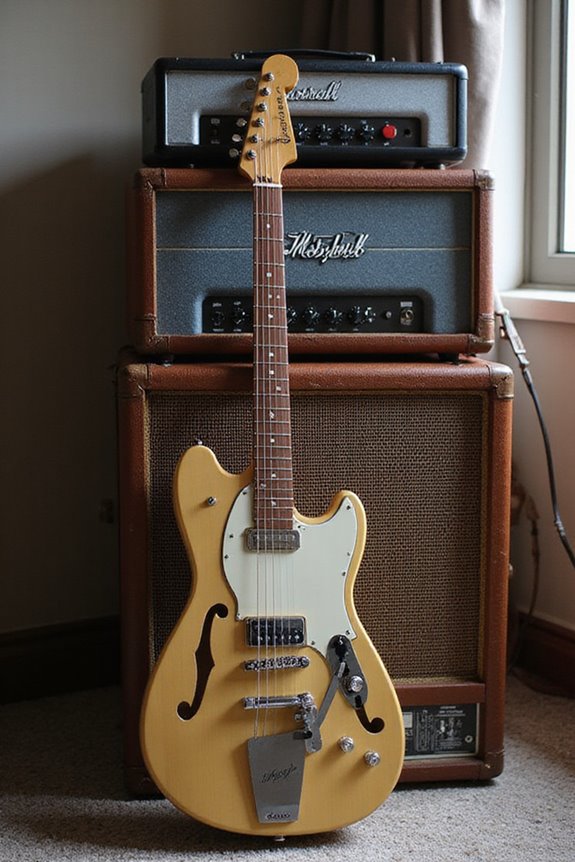
In our quest for the perfect jazz guitar sound, we also need to contemplate price ranges and portability of amplifiers. For budget considerations, entry-level amps start below $200, making them great for beginners. Mid-range options, ranging from $400 to $1,000, balance quality and features, perfect for hobbyists. Higher-end amps, often over $1,000, deliver superior tone but come with less portability. Power output is a crucial factor to consider, as it directly affects audio quality and audience experience.
Portability is vital for gigging musicians. Compact and lightweight amps, like the Henriksen The Bud, combine excellent sound with easy transport. Weighing the trade-offs between power and features is essential—budget amps might lack advanced features while high-end ones can be cumbersome. Ultimately, we want durable, portable equipment that fits our needs.
Recommended Products
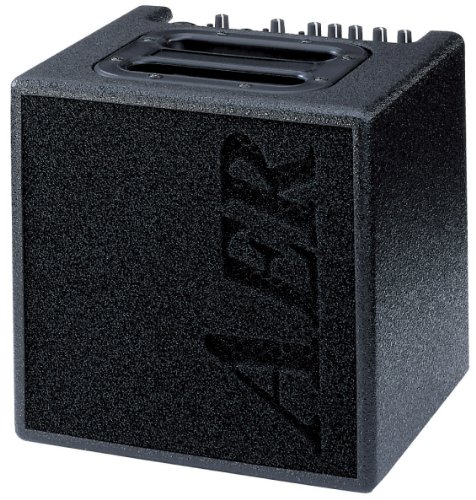

A wide variety of playable tones inhabit this hand-wired performerfrom crisp, classic cleans to naturally compressed overdrive that responds remarkably to guitar volume and picking dynamic changes

Classic British tube amp with 10 watts of power for rich, authentic tones
Technology and Features Specific to Jazz Amps
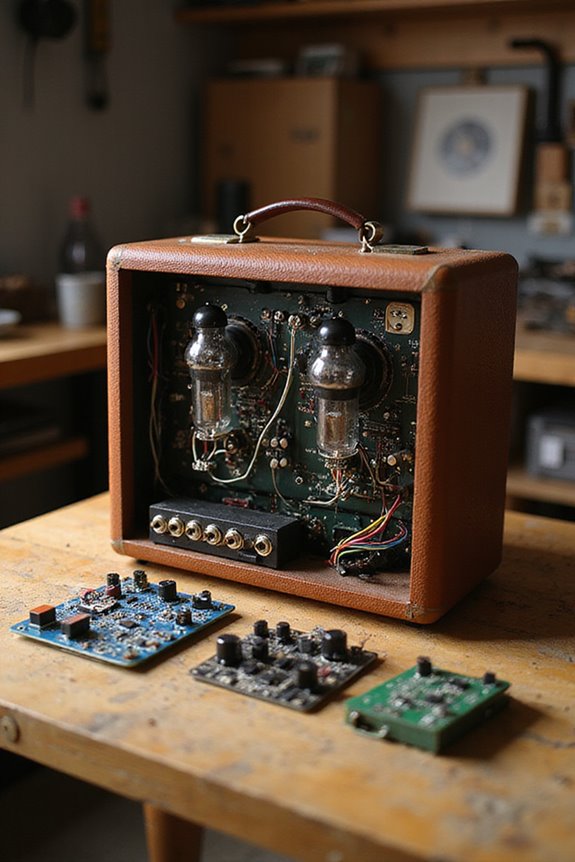
When we consider the technology and features specific to jazz amplifiers, it’s essential to understand how these elements affect our sound and performance. Tube advantages, like their warm tonal character, give us that rich overdrive we crave for classic jazz styles. In contrast, solid-state benefits offer clearer tones and greater headroom, making them perfect for modern jazz with digital effects. Features like a 5-band EQ allow us to shape our sound precisely, while built-in reverb adds a lush ambiance to our music. Additionally, lightweight designs enhance portability without sacrificing power, ensuring we can gig easily. By focusing on clarity and flexibility, these amps cater to our diverse jazz styles and personal preferences. Moreover, closed-back designs provide better bass response, enhancing the lower frequencies that are often crucial in jazz performances.
Recommended Products

1 x 15” Custom woofer & HF Horn

5 Channels - all instruments welcome
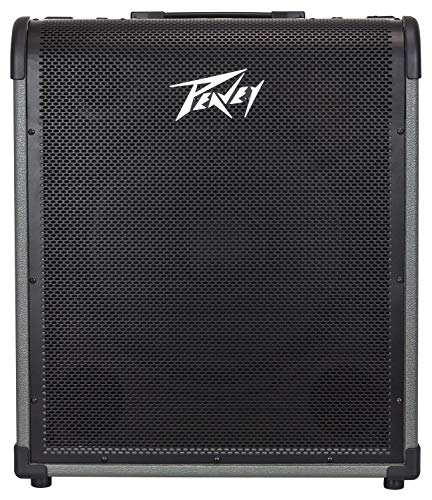
Ddt speaker protection; pre-gain control with Trans tube gain boost; three-band EQ with overdrive, contour, mid-shift, bright, and kosmos-c switches
Community and Expert Endorsements
Community and expert endorsements play an essential role in guiding guitarists toward the best amplifiers for jazz. When we look at community feedback, Polytone amps often rise to the top, cherished for their classic tone and supported by legends like George Benson and Joe Pass. Fender amplifiers, consistently dominating surveys, are repeatedly recommended for their versatile sound profiles. Experts echo these sentiments, specifically praising the Polytone Mini Brute series and Henriksen JazzAmp 110 for their clean tones. Roland Cube amps garner affection for their portability and built-in effects, making them ideal for gigging. Amidst varied choices, we find brands like Vox AC30 and Fender Hot Rod Deluxe carving out space in jazz conversations, thanks to their unique tonal qualities and community love.
Frequently Asked Questions
What Specifications Should I Look for in a Jazz Guitar Amp?
Choosing a jazz amp is like selecting the perfect brush for a painter; we need to focus on tone quality and power rating, ensuring our sound reflects the warmth and clarity jazz embodies. Let’s explore together!
Can I Use a Regular Guitar Amp for Jazz Guitar?
Absolutely, we can use a regular guitar amp for jazz guitar! With the right settings and an emphasis on clean tone, we can achieve great amp versatility, making it work for our jazz playing needs.
Are There Tube Amps Suitable for Jazz Guitar Playing?
Like a warm hug, we seek tube amps that embrace our jazz journey. Their tube characteristics deliver tonal warmth, enhancing our melodies, shaping our sound into something truly resonant, inviting fellowship in every note we play.
How Important Is Amp Maintenance for Jazz Amplifiers?
When we talk about amp maintenance for jazz amplifiers, we can’t overlook its role in amp longevity. Regular checkups help us achieve that warm tone we love, ensuring our performances are always at their best.
What Role Do Speaker Size and Type Play in Jazz Amps?
When considering speaker characteristics for jazz amps, we find that size dramatically affects tonal balance. Smaller speakers offer clarity, while larger ones provide depth. Together, they enhance our overall sound for that perfect jazz experience.