As an Amazon Associate, we earn from qualifying purchases. Some links on this site are affiliate links at no extra cost to you. Our recommendations are based on thorough research and editorial judgment.


Which DJ Monitors Provide The Most Accurate Sound?

When choosing DJ monitors for accurate sound reproduction, we should consider frequency response, driver design, and built-in calibration. Models like the Yamaha HS series and Genelec 8010A are renowned for their flat frequency response, ensuring clarity across various playback systems. Additionally, features like good tweeter materials enhance high frequencies, while proper placement maximizes sound quality. Exploring options like the KRK Rokit series can offer budget-friendly choices with precision. Let’s explore more about optimizing our setup for the best performance.
Key Takeaways
- Genelec 8010A monitors are celebrated for their neutral sound profile, offering exceptional accuracy in sound reproduction.
- Yamaha HS series (HS5 and HS8) provide transparent mixes that ensure tracks translate effectively across different playback systems.
- Mackie HR824 MKII excels in low-end accuracy and natural sound reproduction, making it ideal for accurate monitoring.
- Audioengine A2+ Wireless is known for high-resolution audio output, enhancing overall sound accuracy for mixing and mastering.
- KRK Rokit series balances power and precision, catering to budget-conscious users without compromising on sound quality and accuracy.
Understanding Frequency Response and Its Importance
You may be interested


When we think about the importance of frequency response in studio monitors, it’s clear that it plays an essential role in achieving accurate sound reproduction. Frequency response refers to the range of frequencies a monitor can reproduce, ideally with a flat response. This means all frequencies are represented equally, guaranteeing sound accuracy in our mixes.
For example, a monitor with a frequency response of 40 Hz to 20 kHz ±3 dB provides valuable insight into its performance fidelity. When we mix, a flat response helps prevent frequency bias, allowing us to hear our music as it truly is. By prioritizing neutrality over colorations, we gain the confidence to guarantee our tracks translate well across different playback systems. Additionally, models like the Audioengine A2+ Wireless are known for their high-resolution audio, which significantly enhances sound accuracy.
The Role of Driver and Tweeter Design in Sound Accuracy
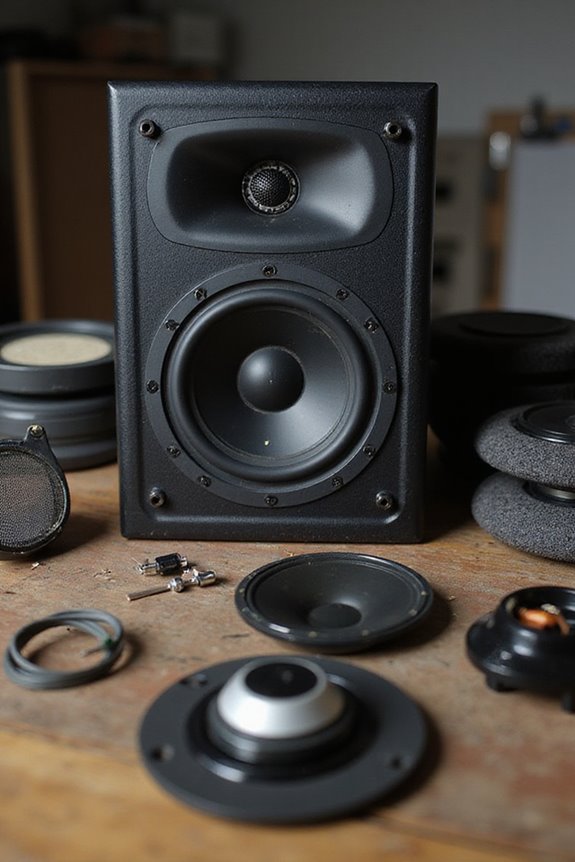
Understanding the interplay between driver and tweeter design is essential for achieving any degree of sound accuracy in our DJ monitors. The choice of driver configurations, such as two-way or three-way systems, greatly influences how we experience sound. For instance, three-way monitors include a dedicated midrange driver, enhancing clarity by allowing tweeters to focus solely on high frequencies. This leads to more precise sound reproduction. Likewise, the tweeter materials, whether silk dome or metal, affect both dispersion and transient response, shaping our audio experience. A good tweeter design strikes a balance between efficiency and clarity, vital for high-frequency sounds. These components together help us enjoy cleaner mixes and better spatial imaging, making our listening experience truly rewarding. Additionally, understanding microphone pickup patterns can enhance the overall sound quality when using these monitors in conjunction with various audio sources.
Recommended Products

【3000W PROFESSIONAL DJ & LIVE SOUND SYSTEM】 Designed for DJs, live bands, weddings, churches, parties, and event venues, the EXOTON S-1803W line array speaker system delivers powerful, room-filling audio with up to 3000W peak power at 2 Ohms. Featuring an 18-inch powered subwoofer, four 5-inch neodymium midrange drivers, and a 1-inch titanium compression tweeter, it produces deep bass, clear vocals, and detailed high frequencies for professional sound reinforcement.

POWERED 2-WAY STAGE MONITOR PAIR: Set includes two METIS-10MPW powered stage monitor speakers, designed for live performance, rehearsal, and floor monitoring applications.

PROFESSIONAL 1800 Watts PA SPEAKER FOR EVENTS & LIVE SOUND – This 15-inch powered PA speaker delivers earth-shaking bass and crystal-clear highs for DJs, weddings, and live performances with 50–100 guests. The bi-amplifier drives a 15"woofer with 3"voice coil for pro-level sound at any venue.
Built-In Calibration for Enhanced Listening Experience

Incorporating built-in calibration systems into our DJ monitors transforms the way we experience sound, especially when working in less-than-ideal acoustic environments. With embedded DSP-based calibration profiles, monitors like the ADAM Audio A Series fine-tune problematic frequencies unique to our spaces. This means we can enjoy precise sound without relying on external software, allowing for a seamless “set and forget” workflow. Additionally, models like the iLoud incorporate ARC calibration, bringing step-by-step guidance for those of us without professional acoustic treatment. With custom EQ settings stored directly in the monitors, we can achieve balanced sound quickly and efficiently. Thanks to these innovations, consistent and accurate monitoring is within our reach, enhancing our overall listening experiences. Furthermore, understanding sound quality performance is essential as it greatly influences the accuracy of the sound we hear.
Recommended Products

Monitor Controller with Talkback

COMPLETE BEGINNER DJ SET - Everything you need to start mixing arrives in one box: the Hercules DJControl Inpulse 300 MK2 controller, HDP DJ60 headphones, and DJMonitor 42 speakers, so you can unbox, connect, and perform your first mix without purchasing any additional dj gear or equipment.

The Perfect Kit To Help You Get Started Mixing And Become A Dj
Top Brands and Models Recognized for Precision
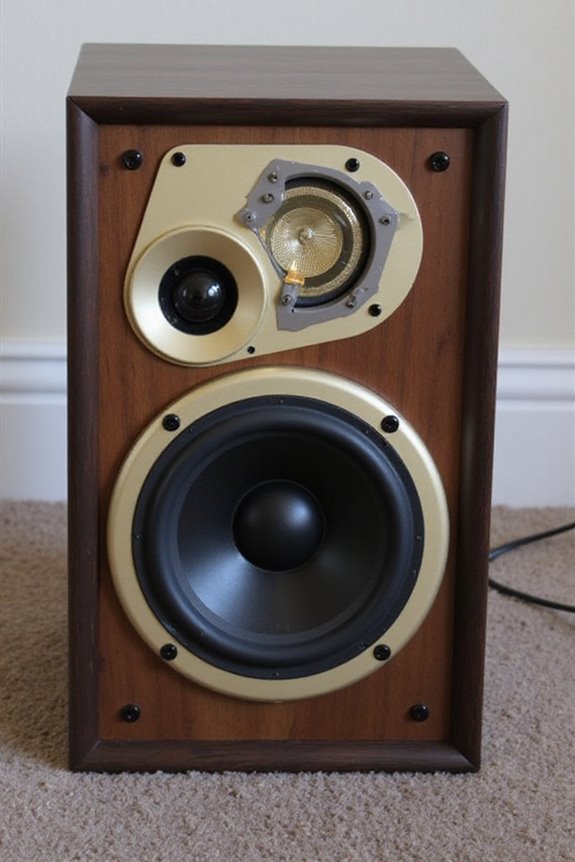
Several standout brands have built reputations for delivering exceptional sound accuracy, which is essential for both professional DJs and music producers alike. When we consider model comparisons, Genelec monitors often shine for their neutral sound profile, especially the 8010A, perfect for small mix rooms. Yamaha’s HS series, particularly the HS5 and HS8, is celebrated for delivering transparent mixes that translate well across systems. For those seeking natural sound reproduction, the Mackie HR824 MKII offers impressive low-end accuracy. If we’re tight on space and budget, the KRK Rokit series balances power and precision well. Finally, Pioneer DJ monitors allow versatile sound control, making them ideal for adapting to different mixing environments. Each of these top brands brings valued options to our setups! Additionally, considering impedance compatibility when choosing monitors can further enhance overall performance.
Recommended Products

Renowned Yamaha sound quality with 96kHz sample rate
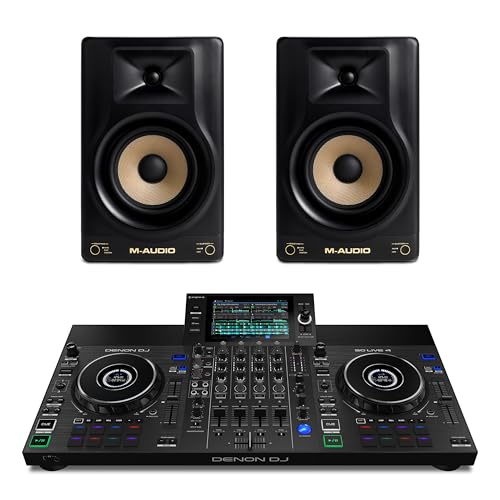
Elite DJ and Studio Bundle - Denon DJ SC Live 4 with M-AUDIO Forty Eighty monitors for superior sound
Impact of Power and Amplification on Sound Quality
When we’re selecting DJ monitors, the impact of power and amplification on sound quality is something we can’t overlook. Understanding amplifier types is essential. Active monitors, for instance, come with built-in amplifiers designed for peak performance, guaranteeing better signal integrity without distortion. We should consider power ratings too; higher RMS guarantees clarity at loud volumes, while sufficient peak power provides dynamic headroom. It’s critical to match amplifier power to speaker design to avoid clipping. Thermal management also plays a role; efficient amplifiers reduce heat, maintaining performance over long sessions. Take the Hercules DJMonitor 42, for example—its balanced power allocation improves frequency response. By prioritizing these factors, we can elevate our sound experience considerably. Additionally, audio quality features such as studio-grade preamps can significantly enhance the overall performance of DJ monitors.
Recommended Products


3000-Watt Class-D Power: High-performance active 18 inch subwoofer featuring a massive 3000-Watt Class-D amplifier, delivering extreme low-frequency punch and definition for live event audio.

Powerful 3000-Watt powered subwoofer with 18'' low-frequency driver for bass reinforcement.; 400 Watts RMS/ 800 watts Program/ 2000 Watts Peak; 18 inch woofer with 60oz magnet and 3" voice coil. Great for parties, bars, weddings, meetings, speeches, churches, gymnastics, conferences, home theaters, etc.
Additional Features That Influence Sound Precision
Choosing the right DJ monitors goes beyond power and amplification; additional features play a crucial role in sound precision. For instance, the cabinet materials we choose greatly influence how our monitors resonate. Rigid enclosures reduce unwanted vibrations, preserving sonic integrity. Crossover quality is equally essential; high-quality electronic crossovers guarantee correct frequency distribution, minimizing distortion and improving clarity.
Consider coaxial driver designs for enhanced stereo imaging, or integrated room correction features that adapt sound based on our environment. These elements assist us in achieving the accuracy and detail we crave in our mixes. By focusing on these features, we create an immersive listening experience that truly brings our music to life, allowing us to connect on a deeper level with our audience.
Budget Monitors: Balancing Cost With Accuracy
While we often think that high-quality sound demands a high price tag, the reality is that budget DJ monitors can strike a solid balance between affordability and accuracy. With budget constraints in mind, models like the M-Audio BX5 D3 and Kali Audio LP-6 V2 stand out for their notable flat frequency responses, making them excellent choices for those with specific sound preferences. The Yamaha HS5, while sometimes critiqued for its brighter highs, also delivers reliable accuracy. These monitors allow us to achieve professional-sounding mixes without overspending. By focusing on features like front-ported designs and customizable EQ settings, we can optimize our setups, ensuring that even budget-friendly choices can meet our audio needs.
Recommended Products

This product is sourced from an authorized Soundcraft North American dealer and includes the official Soundcraft manufacturer’s warranty. The warranty is valid only for products purchased from authorized Soundcraft North American dealers within the United States.

SORBOTHANE FEET: We created these adhesive-backed Sorbothane rubber bumpers in order to isolate vibration, attenuate shock, and damp unwanted noise. These vibration isolation and gripper pads can be incredibly helpful, especially in the case of sensitive equipment. These isolators are made of Sorbothane, which has incredibly vibration isolation and resilient non-slip properties.

Designed for maximum versatility making it perfect for live sound, home recording, content creation, and live streaming.
Optimal Monitor Placement for Best Results
Achieving the best sound in our studios isn’t just about choosing the right monitors; it’s equally about how we position them. To align monitor height with our ear level, we should aim for 1.2 to 1.4 meters. This allows the tweeters to deliver accurate sound. Forming an equilateral triangle with the monitors and our listening position is essential—if our monitors are 1.5 meters apart, we should sit the same distance away for balanced stereo imaging. Symmetry is important too; placing monitors evenly along the left-right axis minimizes reflections. Finally, don’t forget isolation; using pads can prevent unwanted vibrations and enhance clarity. With these tips, we can guarantee our sound translates well across all platforms.
Frequently Asked Questions
How Do Monitor Room Size and Configuration Affect Sound Accuracy?
When we consider room acoustics, monitor size and speaker placement are essential. Let’s make certain our rooms are treated well, positioning speakers thoughtfully to achieve sound clarity, reduce muddiness, and create an immersive listening experience together.
What Types of Music Benefit Most From Accurate DJ Monitors?
When we think about music types that thrive on accurate DJ monitors, acoustic genres like classical and jazz shine, while electronic beats in techno and house demand precision to elevate our sonic experiences together.
Can Subwoofers Enhance Sound Accuracy for DJ Monitors?
We believe subwoofer design truly enhances sound accuracy for DJ monitors. By optimizing sound frequency reproduction, we can capture every detail, allowing us to mix with confidence and achieve releases that resonate with our audience.
How Often Should Monitors Be Recalibrated for Optimal Performance?
We’ve often wondered how recalibration frequency impacts our monitors’ performance optimization. To keep our sound accurate, let’s aim for recalibration every 3 to 6 months, or even before vital mixing sessions to guarantee we’re always at our best.
What’S the Impact of Monitor Stands on Sound Accuracy?
Using quality monitor stands greatly enhances sound accuracy. Proper monitor placement, combined with good stand materials, helps prevent vibrations and optimizes frequency response, ensuring we all enjoy clearer, more detailed audio during our sessions together.